A Day in Copenhagen

Coasting into our Capital Cities of the Baltic cruise, my Mum, Aunt, Cousin and I docked at Copenhagen on 13 July 2019.

Unlucky for some!

No sooner had we joined the Red Sightseeing Bus than it inexplicably and prematurely stopped in the city centre, to offload all passengers. After some mapping and muttering, we decided to divide and conquer our six hours in the city. My Aunt and Cousin opted for historical site seeing and Mum and I made for the galleries.
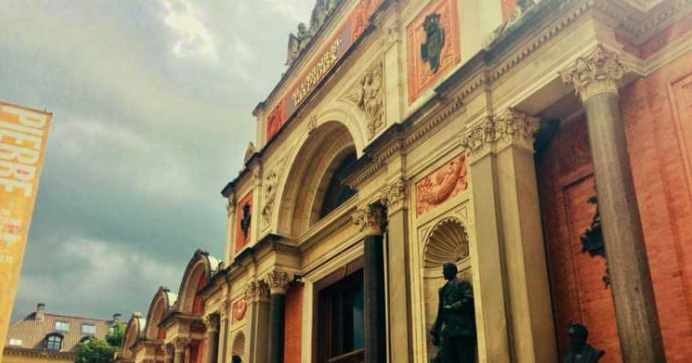
 

Ny Carlsberg Glyptotek


Ny Carlsberg Glyptotek

Heading across the road, we reached the highly recommended Ny Carlsberg Glyptotek. Showcasing the art collection of Carlsberg Breweries’ Carl Jacobsen, it was a refreshing mix of national and international taste.

Admiring its marble steps, high ceilings and gorgeous glass solarium, we explored the gallery’s Ancient Greek, Roman, Egyptian, Etruscan, Danish and French art.

French art of the 19th Century was the highlight of the stop, with superstars such as Van Gogh, Monet and Degas, all within footsteps of each other.

An entire room was dedicated to the painting, sketches and sculpture of Edgar Degas, which focused on racehorses and ballet dancers. A bronze cast of the Little Dancer Aged Fourteen took centre stage; with notes explaining the original was made of wax, textiles and human hair, causing then audiences to label it ‘repulsive’.

Less controversial was the Danish art, with pastoral scenes from scriptures, legends and fishing villages. Here bright colours brought life to the canvases of Danish Golden Age artists such as Abildgaard, Eckersberg and Købke.
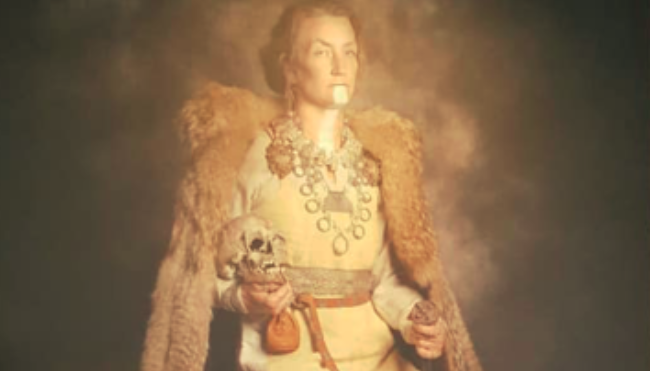
 

The National Museum in Copenhagen


The National Museum in Copenhagen

Moving from Danish Golden Age to Danish gold, Mum and I were bedazzled by Viking jewellery and artifacts in The National Museum.  Featuring one of Denmark’s largest collections of antique gold and silver, its highlights included the Tissø ring and the Fæsted hoard.

The Meet the Vikings exhibition signs told how designer Jim Lyngvild worked with museum experts to depict lifelike Viking statues that epitomised the housewife, warrior, berserker, völva and peasant, complete with authentic tattoos and togs.

Switching from ancient to recent history, we entered The Children’s Museum part of The National. Here we found toys through time, including Lego, mechanical structures and a stunning collection of antique dolls’ houses. With dimmed back lighting and illuminated interiors, we admired a world of magic miniature mansions.
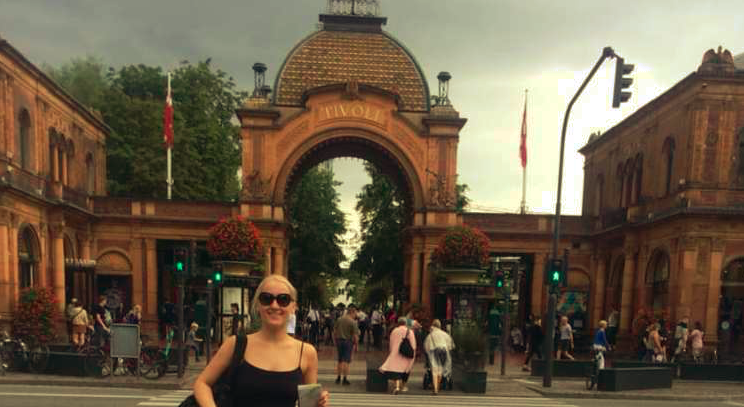
 

Tivoli, Copenhagen


Tivoli Gardens

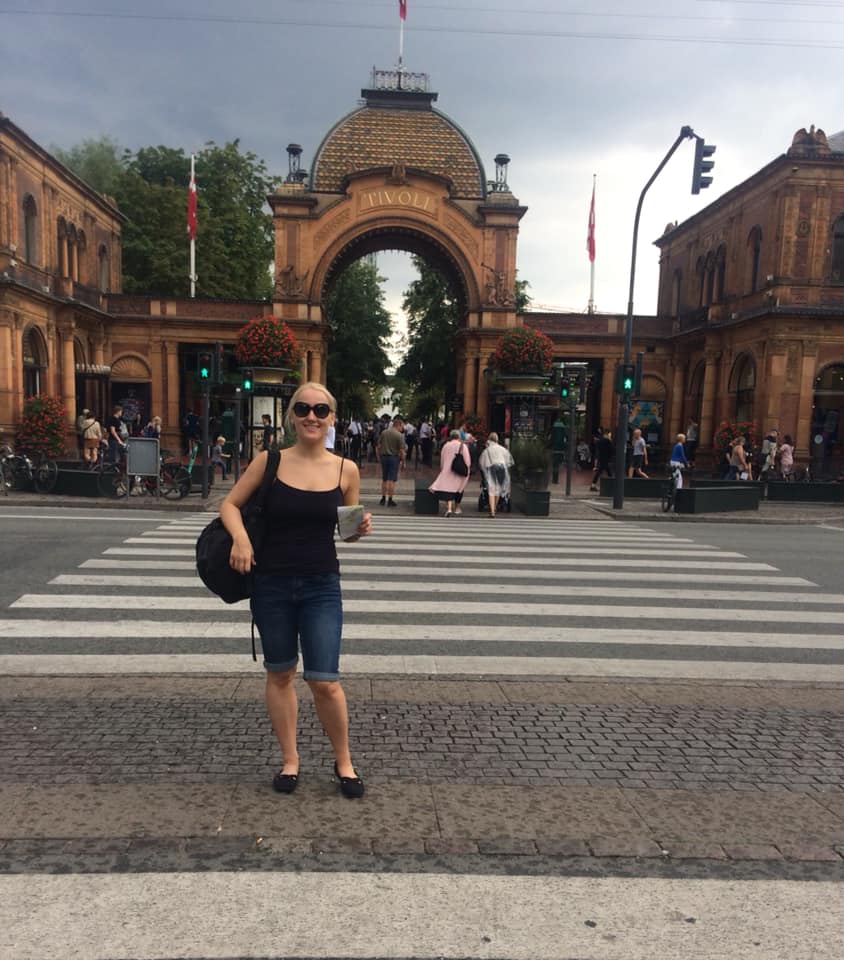
Childish delights continued as we headed over to Tivoli Gardens, to discover the 19 Century legacy park that inspired Walt Disney.  With wooden roller coasters, modern rides, manicured gardens, water features, and an Youth Guard (of parading children) there was plenty to see.

Soaking up the ambience, we enjoyed a pint in one of its alfresco cafes, relaying our adventures to my Aunt and Cousin. Refreshed, but with ship curfew calling we choose to try just one ride, the Star Flyer.

Climbing 80 metres high, the Star Flyer swing-carousel provided a visceral view of Copenhagen, perfect for people watching! My Cousin who was scared of heights was not so thrilled, however even she enjoyed the view once coaxed.


Hans Christian Andersen, by Henry Luckow-Nielsen


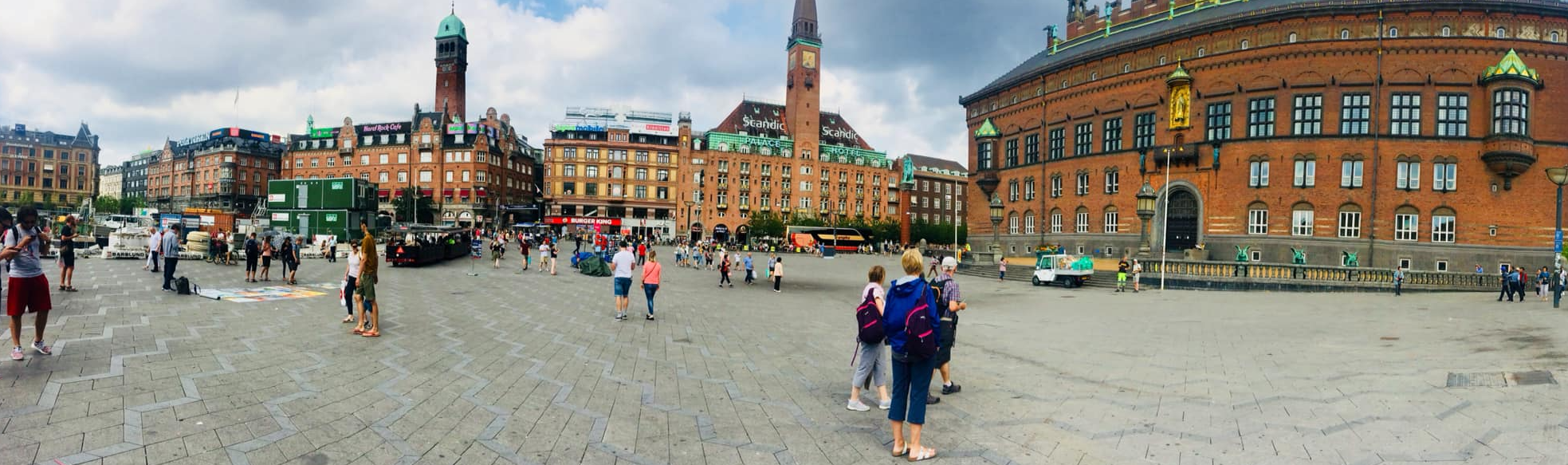
Hot-footing it back to port, we stopped only twice to admire statues. The first was at Copenhagen City Hall Square, where we dodged tourists to pap the statue of author Hans Christian Andersen, by Henry Luckow-Nielsen.

The second stop featured similar jostling as we snapped The Little Mermaid bronze by Edvard Eriksen, at the Langelinie promenade.

Back on board we listed top tips for visiting Copenhagen again: arrive early to beat tourist congestion, be prepared to check bags into lockers at museums, also to pay at museums, to utilise concession discounts, and to never trust a Red Sightseeing Bus!
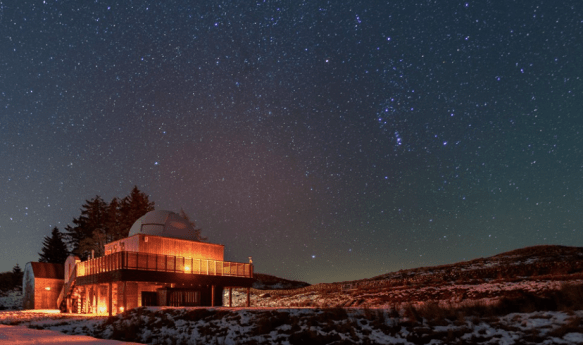
 

Scottish Dark Sky Observatory

Dropping jaws and blowing minds is the Scottish Dark Sky Observatory, one of the nation’s best -kept secrets.

SDSO resident astronomer, David Warrington, said: “The observatory is located within the Galloway Forrest Dark Sky Park, it has minimum street lighting, so less light pollution, and it is an optimum place to see more stars on a clear night.”

Nestled within the Galloway and Southern Ayrshire UNESCO Biosphere, the observatory features a 20-inch Corrected Dall Kirkham telescope, in a 5-metre dome, and a 14-inch Schmidt-Cassegrain telescope.

 Warrington said: “Telescopes of this size are something that people don’t often get to look through. People are often in awe of what they are seeing; such as craters on the surface of the moon, or the rings of Saturn, both of which have real wow factor!”  

He added:“People get contemplative looking at the Milky Way, they talk about the massive distances of space, and it tends to get more philosophical than scientific.”

It’s no wonder then that the observatory has become a real romantic retreat.

Warrington recalled: “SDSO has lots of people come to it on date nights, a couple of times a year around valentine’s day we even hold events themed on the season, taking about astronomical phenomenon’s like the Heart Nebula.”

He added: “In fact we have had a few proposals and even a few weddings held at the observatory. It’s understandable, lots of people like to get engaged under the starry sky or to share their wedding with their friends and family here.”

Love has also been poured into developing the Scottish Dark Sky Observatory.

Warrington explained: “The SDSO started as a building to host telescopes, but now it’s taken a different direction; we now have the building with the planetarium and the gift shop, so people can take home memories and mementos even on cloudy nights.

“SDSO has also been able to turn a room into an exhibition space and we have had exhibitions around subjects such as Meteorites and Moon Memorabilia.”

The Moon Memorabilia exhibition featured artefacts such as signed posters from Apollo astronauts and Saturn 5 rockets, bringing its history to life.

Warrington said: “Astronomy used to be thought of as something only old men did in fields at night-time, but over the past ten years it has become more mainstream. The Scottish Dark Sky Observatory is working to make astronomy as accessible as possible.”

No matter a person’s age or ability, the observatory welcomes them to use their telescopes and explore the universe. The observatory also uses astero photography, to take pictures of the night sky and showcase astronomical objects.

Warrington said: “A large proportion of the work that we do is about education, getting school groups looking at the night sky in the planetarium, using the telescopes and linking it to the national curriculum.”

SDSO is open throughout the year; it has special star gazing sessions in the weekend and through the week. It also has special events, based on astronomical occurrences, which people can book online, through the SDSO website.

Warrington said: “November has the anniversary of Apollo 12 landing on the moon, so we will have anniversary events. In November there will be the Leonid Meteor shower.”

 He added:  “The Observatory has a winter solstice in December, with festive star gazing events, such as the Geminids Meteor shower.”

 “As we get into the winter months the sky gets much darker and we get the chance of seeing that lovely Milky Way, with lots of bright skies; we switch over to winter sky gazing.”

In the autumn and winter months, the sun gets lower in the sky and star- gazers have longer periods of time to see the sights.

From the observatory people can see the moon in detail, the planet Venus, and the planet Saturn across the southern sky; as well as bright patterned constellations of stars, like Obrien, Taurus and Gemini.

Warrington concluded: “If anyone has ever looked up at the night sky in wonder and wanted to take it to the next step, to use a telescope to see it in more detail, then it is well worth coming to the observatory. If you want to learn more about space and astronomy then we can help.”

Summerlee Suffragette Stories 


CELEBRATING a century since the first UK women gained the vote, Summerlee Museum is hosting Hard Fought Victory – a play on the suffrage movement – with school matinees from 5-8 March and a public performance on 9 March from 12pm.

Performances are free, thanks to grant funding from the Scottish Government’s Centenary Fund, as the play tells the story of the campaign for women’s suffrage in Scotland.

Writer and Director, Sarah Jane Quinn said: “Everybody knows about Emmeline Pankhurst, but there are a lot of Scottish women who got involved that people know less about.”

“The Scottish suffrage movement was partly distinguished for its work in the Scottish Women’s hospitals – which were created during the war, by Elsie Maud Inglis, showing how women could work together to achieve social change.”

The play uses real life events told through fictionalised characters; two of whom – Doctor Green and Mary Richardson- are played by actor Betty Valencia.

She said: “Doctor Green is taking part in the Suffrage movement, but from a place of privilege; she is part of the National Union of Women’s Suffrage Society. Her way of petitioning is writing letters and she has a certain level of contempt for the women who have been using violent forms.”

Her second character, Mary Richardson, does not share these views.

She explained: “Mary is an English suffragette in prison, and she has been talking about how the women have been force-fed, when they were on hunger strike; this is one of the darker parts of the performance, because you hear her explain how she would rather die than let her protest go unheard.”

Bringing light relief to the drama is the character Nosey Jane, played by Jamie Lee Aitken.

She said: “Nosey Jane is quite gossipy, she has her fingers in all the pies and knows everything about what is happening in Coatbridge in this moment in time.”

Also capturing the suffrage movement zeitgeist is Jamie Lee Aitken’s character Violette.

Jamie Lee Aitken explained: “Violette is trying to juggle being a housewife and being a working woman, she is finding it quite exciting, but also it unfair that they are not getting paid as much, or getting the recognition that they deserve, so that is why she gets involved in the suffragette movement.

Getting everyone involved in the drama was key to Sarah Jane Quinn’s plans, as she wrote the interactive play.

She said: “Weather permitting the play will start with the audience on the tram, stopping off at a certain area where we will perform the first scene, and from then on in its going to be a walking tour up until the last scene when it will be back on the tram to the museum entrance.”

“At one point the tour will split in two, at the cottages, and one group will go one way and another will go the other, as two actors will be in separate cottages, doing different scenes at one time; then the groups will switch.” 

Hard Fought Victory is presented en promenade, using the displays, buildings and trams of Summerlee as a backdrop to the performance.

Jamie Lee Aitken said:  “You get the excitement of coming in and seeing the actors in the space that they would have naturally lived in, like Summerlee’s period cottages. Kids and the public will get to come in and interact.”

Betty Valencia added: “The play is very unique, I don’t know where you can find something as immersive as this, and it’s a mix of history, facts, and dramatic performance on a live set.”

“Here you have the experience in the period clothes, working with period props, so it is very exciting!”

For more information on Hard Fought Victory visit the CultureNL website.

Visaurihelix


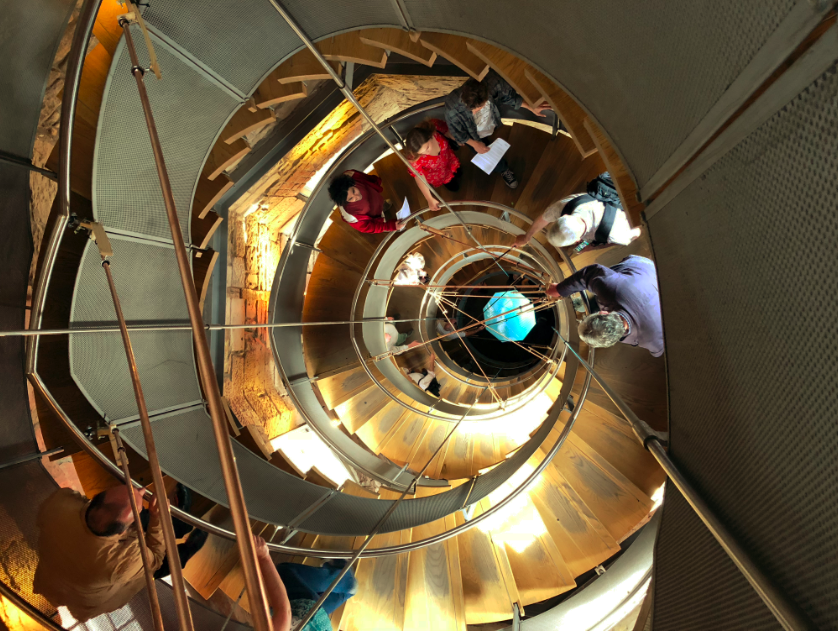
Reimagining the Glasgow of Charles Rennie Mackintosh is the audio-visual installation Visaurihelix, showcasing in The Lighthouse, Glasgow, until 2 January 2019.

Visaurihelix Artist, Dr Louise Harris explained the exhibition title, saying: “It is a made up word, used to summarise the installation, its first part represents visuals, auri is related to sound and helix is related to the helical staircase of The Lighthouse.

The Lighthouse had commissioned the piece, by sending out a brief for a work that would both fit its unique space and celebrate the 150-year legacy of Charles Rennie Mackintosh.

Harris said:“I have been obsessed with Mackintosh design and architecture since I was a child, and I am also obsessed with spiral staircases, so it was a pretty perfect combination for me; so I applied to the brief, and there you go!”

Harris used her expertise in audio-visual art to compile soundscapes from Charles Rennie Mackintosh buildings, before combining and presenting them in a new way. This included using speakers, on The Lighthouse staircase, to vertically play sound recorded from five Rennie Mackintosh sites.

Harris explained: “The majority of the pitched material in the work is mapped from those sites; I built algorithmic software patches that took the site designs and translated them to changes in pitch over time, and that made the electronic backbone of the work.”

She added: “The other audio material is sound that has been recorded in those five spaces and has been combined into the work.”

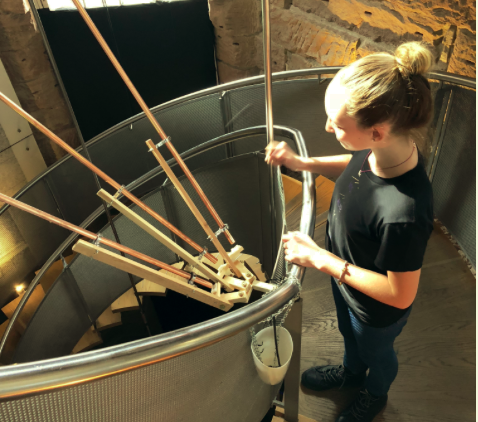
The work was then made interactive by entwining The Lighthouse staircase in a giant glockenspiel construction, the angles of which mimicked patterns of Charles Rennie Mackintosh design, allowing visitors to create their own sounds.

Harris said:“When I was working in the studio I had to make guesses as to how noises would sound when travelling vertically, not horizontally, so that was quite challenging, but it was a good challenge, it made me think more about how to work with multi-speaker formats in more detail.”

She added:“I was quite surprised how well the speakers worked together, but also how the glockenspiel element turned out.”


While Harris knew the exhibition space would be a challenging part of the project, an unexpected challenge arose when the Glasgow School of Art suffered a fire.

Harris said:“I was planning to record sounds from the Art School and include them as one of the building soundscapes in the installation; but the fire happened literally a couple of days before I was due to go in and collect the material, so it was quite poignant.”

Despite being unable to capture soundscapes from the Art School, Harris hopes that Visaurihelix will allow people to reflect on all of Rennie Mackintosh’s work.

She said: “I hope this exhibition’s visitors have enjoyed engaging with different Mackintosh spaces, from different places in the city, and so it acts as a tribute to the Art School as well.”

When first arrived in Glasgow, Harris couldn’t wait to see Mackintosh’s buildings up close.

She explained: “I am a relative new comer to Glasgow, I have only lived here for around four or five years, but the Lighthouse and the Mackintosh buildings and galleries were some of the first things that I explored when I got here.”

Harris moved to Glasgow to take up a position at Glasgow University.

She said: “When I got my job in Glasgow, my title was Lecturer in Sound and Audio Visual Practices, and that type of role was unheard of at the time, but these days it is much more common.

“The audio-visual art scene has changed hugely in the last 10 years or so, audio-visual work has become more prominent in festivals and galleries.”

Harris added:‘I think Glasgow’s audio-visual art scene will continue to develop in coming years. Festivals like Sonica are really good foregrounds for audio-visual art work, so I think Glasgow is quite ahead of the game in that sense.”

Despite this, Harris accepts that the definition of audio-visual art can still be confusing.

She said: “My audio-visual art is about creating pieces that engage your sonic and visual senses simultaneously, and give equal weight to both. If you think about a music video its is about marketing the sound, and if you think about a narrative film that is primarily about the visual; but audio-visual work is about the equality of the relationship between the two mediums.”

To explore Harris’ audio-visual art in other venues, you can see her exhibition, Alocas, in the Stephen Lawrence Gallery, in Greenwich London, from November 2018 until January 2019.

Harris summarised: “Alocas involves a dual screen speaker and audio-visual work. The audience is situated in the middle of two large screens, so it is a very immersive, physical and participatory experience.”

Repair Cafe Glasgow


Restoring locals’ belongings and sense of belonging is the Repair Cafe Glasgow. The Kinning Park branch has been providing free repair workshops and services since 2017, as part of the wider Repair Cafe International movement.

Repair Cafe Glasgow Communications and Events Officer, Lauren Crilly, said: Repair Cafe International started in the Netherlands in 2009, and the idea was to open a repair space to the community, where people could come and get their things fixed for free, as well as up-skilling themselves.”

She added: “In 2017-18 we ran a little Repair Cafe in Kinning Park, as part of Social Sundays, which we started as part of a Climate Change Project. It was quite busy, but there was quite a lot of other things going on in the space, so John, our Project Manager, decided the Repair Cafe needed its own space and organisation to flourish.”

The team then applied for the Climate Challenge Fund, in Feburary 2018, and started the Repair Café Glasgow in April.

Crilly said: “The challenges of bringing Repair Cafe to Glasgow has been the same challenges that any small business faces; just getting the word out about your organisation.

“We maintain a presence on social media, so that has been a great way of getting younger people involved. A lot of our volunteers are under the age of 30, and that is not the same as other Repair Cafes across the UK, which tend to have a lot of older, retired volunteers.”

Volunteers of all ages, genders and backgrounds are welcome at Repair Cafe Glasgow, with the current team including Scottish, Irish, German and Spanish repairers.

Crilly said: “We have increased the amount of events that we are doing and increased the amount of people involved as volunteers, but at the moment we are continuing to build our network, get people interested, and build diversity in our team. Just now we have a team dominated by men, so it would be really good to get more women on board!”

As well as a mix of demographics Glasgow Repair Cafe has a mix of skills.

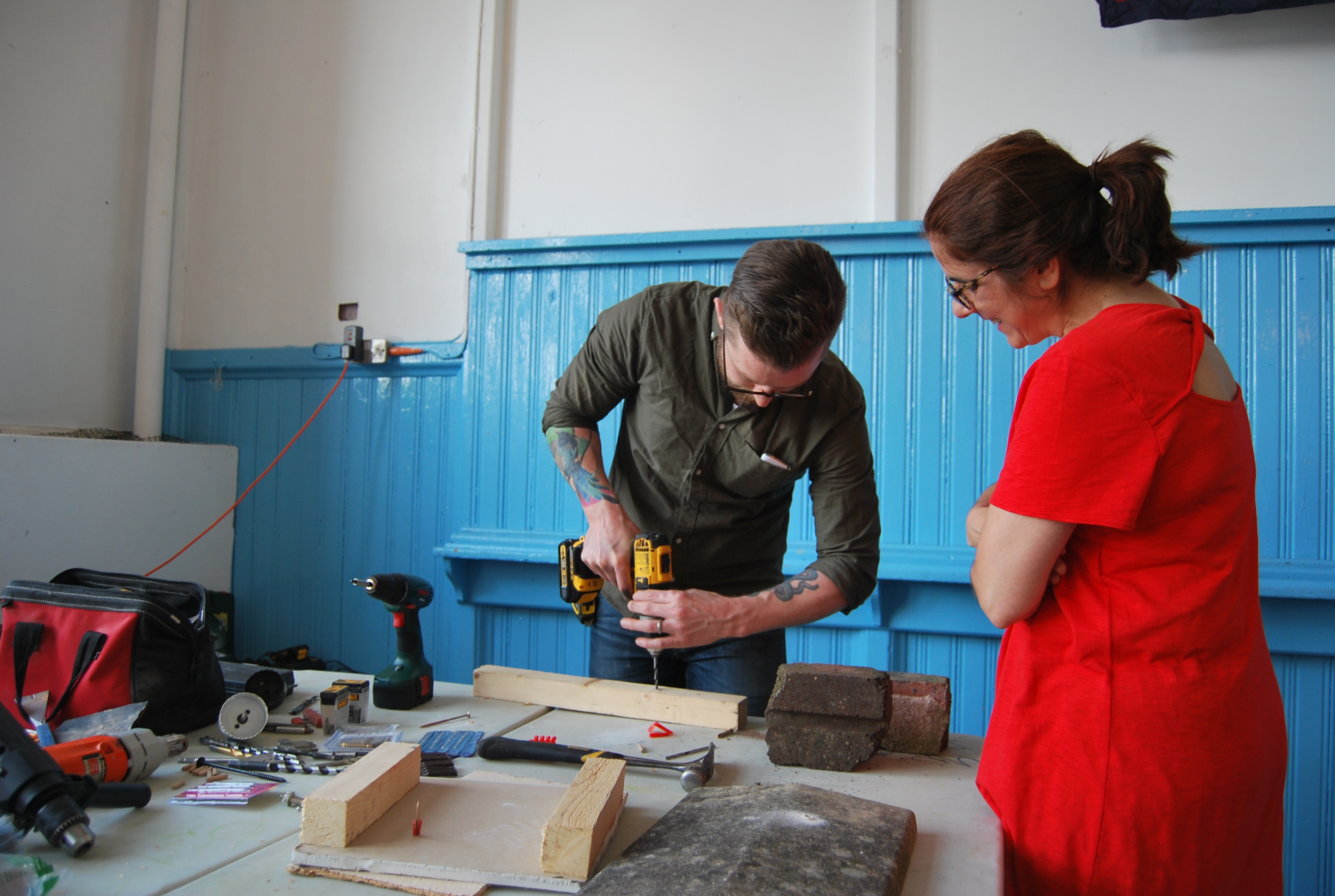
Crilly explained: “Our volunteers are amazing, they are able to tackle electronics, textiles and other materials, but we also get people bringing in things that aren’t any of those, for instance someone recently brought in a broken suitcase.

“When someone brings in something for repair that we don’t specialise in fixing everyone is just willing to have a go; within the Repair Cafe everyone has to have that mentality, because there is only a short amount of time to get things fixed. Sometimes the instinct to repair and have a go just kicks in.”

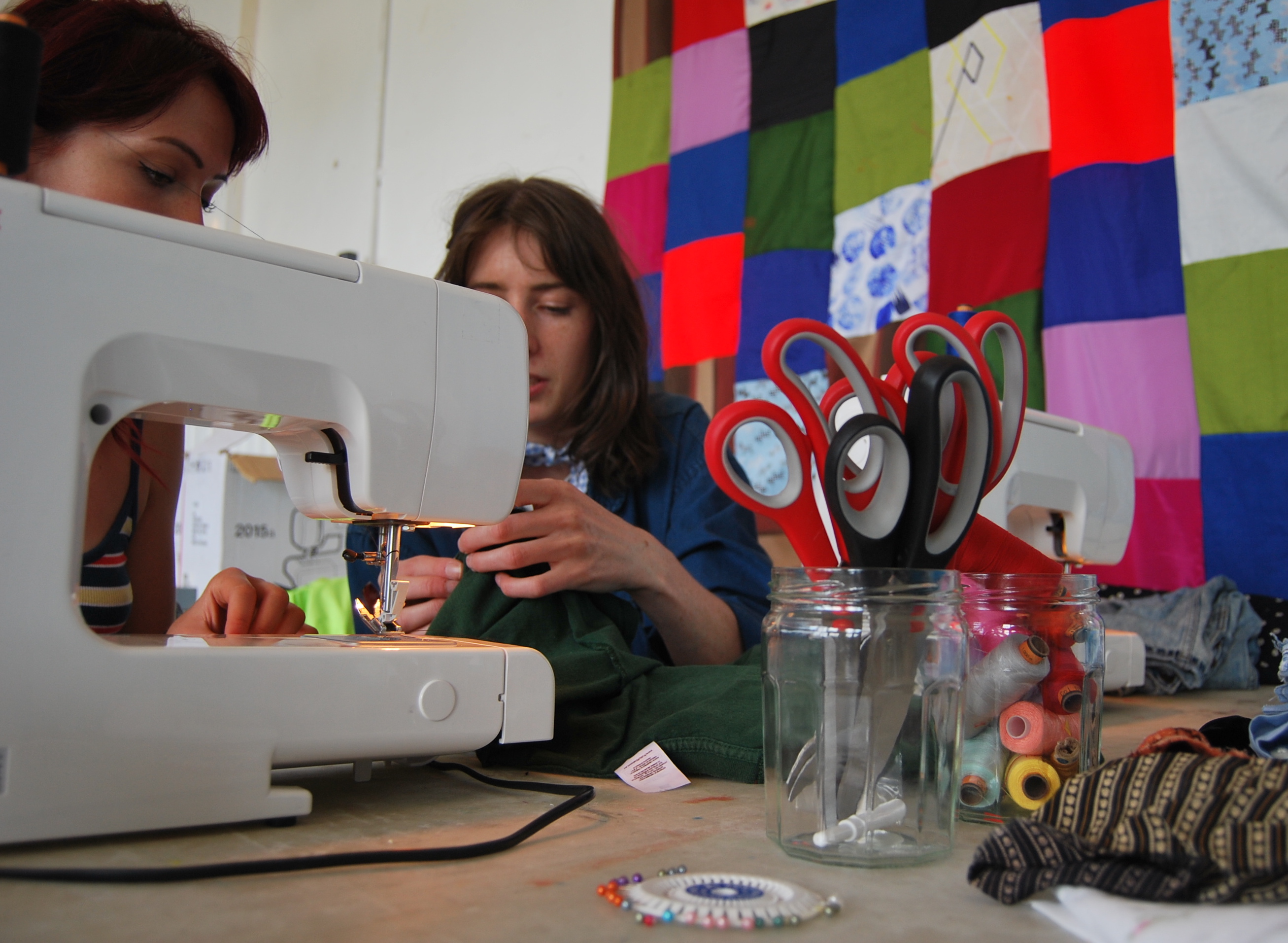
Crilly added: “At the moment we could definitely use more sewing and textile repair specialists; I think that is the backbone of the Repair events, people tend to have broken clothes, and at the moment we only have two textile volunteers.”

While textile repairs are the most sought after, the Repair Café has had niche requests.

Crilly said: “At our last event we had someone come in with a salad spinner that we weren’t able to fix! It was funny because we had four engineers standing around that broken salad spinner trying to figure out what was wrong with it – turns out it was just a piece of plastic that needed replaced, and we just didn’t have the right part. That woman was quite attached to her salad spinner, so it was sad that we were unable to fix it.”

The sentimental aspect of repairing peoples’ belongings came as a surprise to Crilly.

She said: “People have come in and said things like, ‘this lamp belonged to my mum and my mum’s passed away; I’d really like it if you could fix it’, and then when we’ve fixed it, it has totally put a smile on their face.”

However, Crilly acknowledges not everything is as easy to fix.

She added:  “If someone brought a broken heart in for repair, I would have a cup of tea and chat with him or her, maybe offer them some cake.  There are no professional councillors in Repair Cafe Glasgow, but I do consider myself a slight agony aunt!”

Goodwill is also fostered through Repair Café Glasgow’s community outreach efforts.

Crilly explained: “We are based in Kinning Park Complex, which has a big refugee and Asylum seeker community, so we informally work with organisations that help these groups. The Team that leads Repair Café Glasgow has worked in the community sector for a number of years, so we have a built up a number of community contacts.”

She added: “We go through all avenues and connect with other community organisations; we had an event with Locavore community food shop, on Victoria Road, last month; and now we are having an event at the Rig Art Centre in Greenock, and one at the Broomhill Community Hall, on 24 November, so we are connecting as many existing organisations together as we can.”

Repair Café Glasgow is as much about bringing people together for sustainable living discussions, as it is for reducing waste through repairs.

Crilly said: “When you think about waste reduction, Repair Café Glasgow is quite small scale, but it is about creating a community of people and discussions about environmental issues on a greater scale.”

To join the discussion, come to Glasgow Repair Café’s next event, on Saturday, 20 October at Kinning Park Complex, featuring a ceramics repair workshop and drop in repairs sessions.

Crilly added: “We are doing an event in Greenock in November; we’ll be doing some workshops with the swap market in Govanhill in the New Year, and we’ll be doing another event in Locavore; so we are really wanting to get involved with as many organisations as possible.”

To volunteer with Repair Café Glasgow email hello@repaircafeglasgow.org, follow the café on social media, or join an event to have a chat about volunteering.


Local Dancers take to the Stage with Pasha

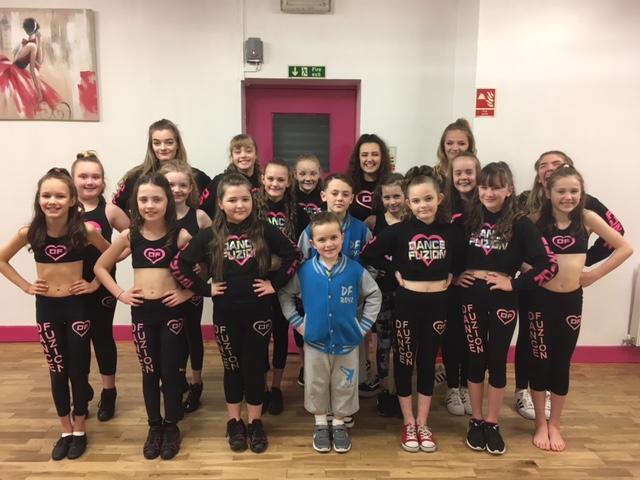
Sharing the stage with Strictly star Pasha Kovalev is no mean feat, but it’s what one dance troupe is preparing to do, as his Motherwell Concert Hall show approaches on May 12.

20 students from local school, DanceFuzion, will perform a routine with the star, during his live Magic of Hollywood show, with Anya Garnis. These dancers include: Amy Cox, Ben Ferguson, Carol Ann McRandle, Eden Hardie, Eilidh Smith, Elizabeth O’Farrell, Ellie Stewart, Emma Cumming, Ethan Forgie, Faith Davidson, Gemma Watson, Jessica Hyslop, Kasey Fagan, Leah Hynes, Rachel Dillon, Rebeka Kolbert-Wild, Rhian Cox, Sophie Ratcliffe, Sophie Wood and Teigan Collins.
All the dancers hail from Airdrie and Coatbridge and range from 9 – 17 years old, making their debut even more impressive.

DanceFuzion teacher, Ann Donnachie said: “This is the stuff dreams are made of!”

Having accompanied Pasha during his previous shows at Motherwell Concert Hall, DanceFuzion’s students were again selected to perform in this year’s show.

Donnachie said: “This is the 4th year we have been invited to dance with Pasha and we are over the moon. Now Pasha is actually going to be dancing alongside us on stage; we are super excited!”

On the night of the show, Pasha will join the dancers in a street, lyrical and jazz routine; complete with choreography by Ann Donnachie.

The teacher explained: “The music consists of two six-minute mixes, mixed by Pasha and the producer; these were sent to me and I have designed the matching choreography.”

Choreography now in place, the dancers are practicing to get it perfect.

Donnachie said: “We have just started our rehearsals and will rehearse every Sunday, but as the show gets closer we will rehearse several times a week.”

This practise will come in handy as the junior dancers prepare to join their professional counterparts.

Donnachie said: “On the night of the show Pasha watches the rehearsal and gives great feedback and encouragement.”

She added: “Pasha is so good with the kids, and even signs their t-shirts as souvenirs.”

Don’t miss your chance to see these local stars shine!

Book your tickets at culturenl.co.uk or phone 01698 403120

Memory Spinners: Dementia Arts Workshops

Memory Spinners Airdrie Town Hall

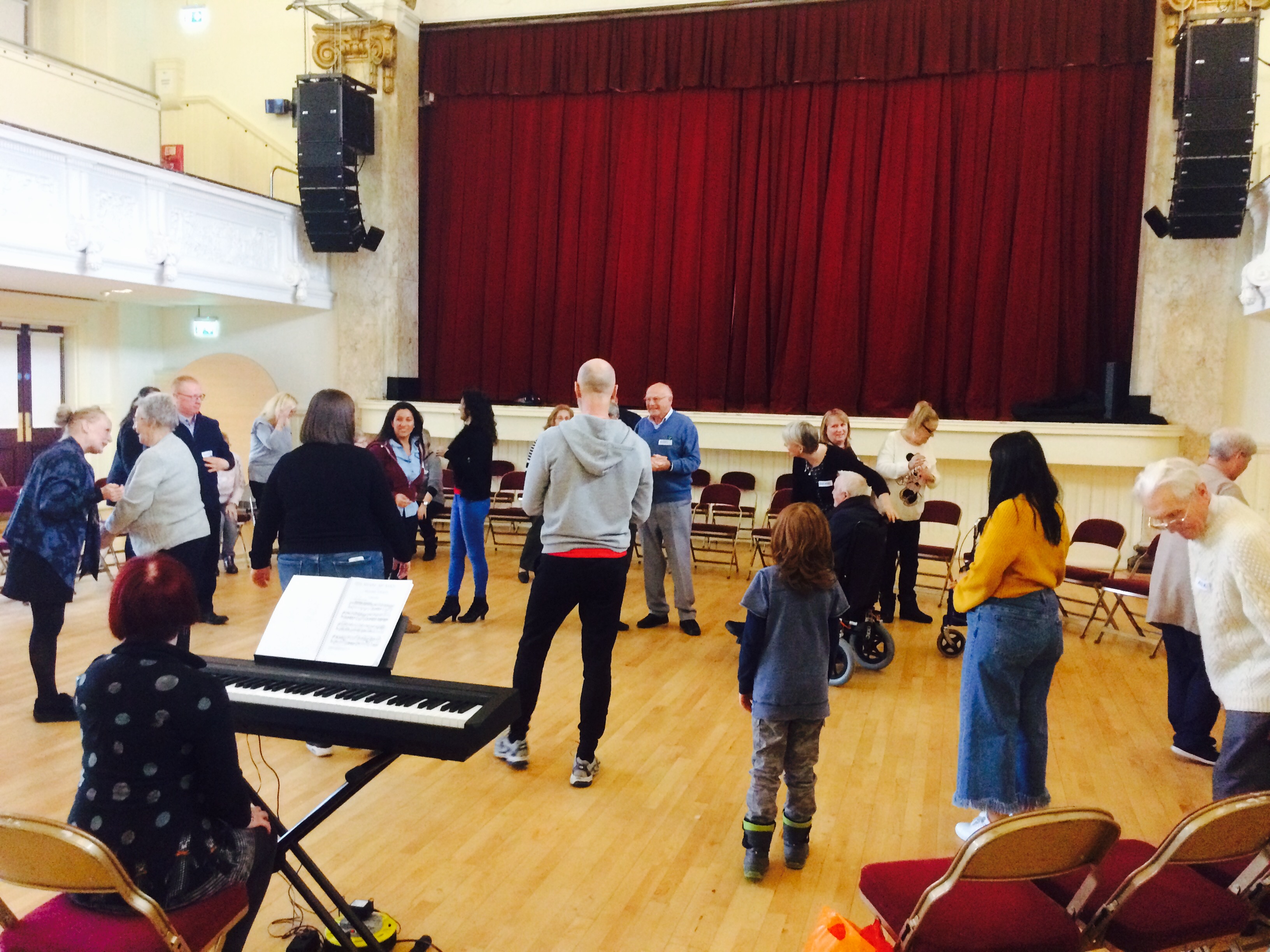
Light relief for those living with dementia is on offer at Airdrie Town Hall, with the Scottish Opera and CultureNL Memory Spinners art workshops, running Mondays from 29 January – 23 March (1-3pm).

Using music, movement and visual arts, the free of charge programme helps both people with dementia and their carers relax and form support networks.

Park Springs Care Home employee Rose Brennan said: “Our group – Ronnie, Betty, Margaret and myself – has been attending since the first session and I can’t tell you how much we have enjoyed it.

“When the group have been going back to the home they have been telling everyone about it, they get so excited; all their families and friends have heard about it and they all think that it is a wonderful idea.”

The Park Spring group are just three of around twenty six participants coming to the workshops on a regular basis.

CultureNL Arts Development Officer, Deborah McArthur, said: “It’s been really nice to see how large a group we have ended up having, and that shows the need and the want for something like this in North Lanarkshire; we have such a lovely bunch of people involved.”

Each session starts with a half hour lunch, where the group can get to know each other before the activities begin.

McArthur explained: “Having lunch at the beginning means that the group can bring the social aspect back into eating. I am a great believer in food bringing people together and I think that the time at the start, where we all chat, is really important.”

After lunch the group moves on to a warm up, which leads on to singing and acting activities.

McArthur said: “The exercises that we do allow everybody to take part at the same time; when you come to a session you get to see how much everybody laughs and enjoys it.”

Echoing this sentiment was visual artist Joe Gair.

He said: “When I was thinking of how to approach the project I wanted to bring a range of activities; some people enjoy colouring in and painting simple things, other people like to get a bit more creative, so I wanted to provide a bit of variety.”

He added: “The visual art aspect of the project is good, as people know what they are working toward, for example last week we did masks for the final show, and the group took a lot of care and time over them because they knew that they would be wearing them.”

All of the group’s crafted props and drama activities will be brought together at the end of the programme, in a show for their friends and family.

McArthur explained: “The Memory Spinners activities have no wrong answer, people can do whatever they want with the materials that we have. Then we make this fit into the end performance, and this creates a comfortable environment to work in.”

Beechwood Care Home worker, Emma Weir said: “The workshops are something new and something challenging, but they are very enjoyable.”

She added: “I came to bring Tommy and Jeanette, but I have been surprised how much I have enjoyed it myself. You get to meet new people; it welcomes anyone and everyone affected by dementia.”

Reflecting on the workshops, McArthur explained that no previous arts or performance experience is required.

She said: “I think sometimes people might be deterred by the idea of opera, or they might think that if a workshop is singing and dancing then it is not for them, but actually I would describe it as a group of people that are coming together to try different things and have fun.”

2017 Glasgow Theatre Throwbacks

In 2017 I consumed the most theatre, of any 12-month period of my life. Three ballets, three dramas, two pantos and one musical. This is less impressive considering I joined the marketing team of Motherwell Theatre, where assessing the competition is all part of the job. So here’s a look at my rated and slated productions, starting with the best…

Faithful Ruslan

Michael Glenny and Helena Kaut-Howson’s adaptation of Georgi Vladimov’s novel
The Citizen’s Theatre Glasgow

  • Rating: 10/10
  • Story: A Soviet guard dog’s life takes a strange turn when his prison camp is liberated and he is made redundant; a haunting tale of unhealthy love.
  • Best bit: Movement director Marcello Magni’s work with star Hunter Bishop to mimic perfectly a guard dog’s inclinations.
  • Worst bit: The second act, which was slow and left nothing to the imagination.

Blood Brothers

Bill Kenwright Production
The Kings Theatre

  • Rating: 9/10
  • Story: In depression-hit Liverpool, twin brothers are separated at birth, before being tragically reunited in a bittersweet tale of social injustice.
  • Best bit: Willy Russell’s comic writing teamed with Kelvin Towse’s musical direction makes light work a heavy topic.
  • Worst bit: The cast’s accents – particularly when playing children – were grating.

Hansel and Gretel

Scottish Ballet Production
The Theatre Royal Glasgow

  • Rating: 8/10
  • Story: It’s WWII in the UK and two ration restricted kids seek sweet treats in town, unaware of the dangers; a refreshing retelling of a classic.
  • Best bit: Christopher Hampson’s dapper 1940s costumes and Caroline Palmer’s ballroom inspired choreography.
  • Worst bit: The second act when the WWII theme was abandoned and the set/ costumes reverted to 17C fairy tale.

Who’s Afraid of Virginia Woolf

Rapture Theatre Production
Motherwell Theatre

  • Rating: 8/10
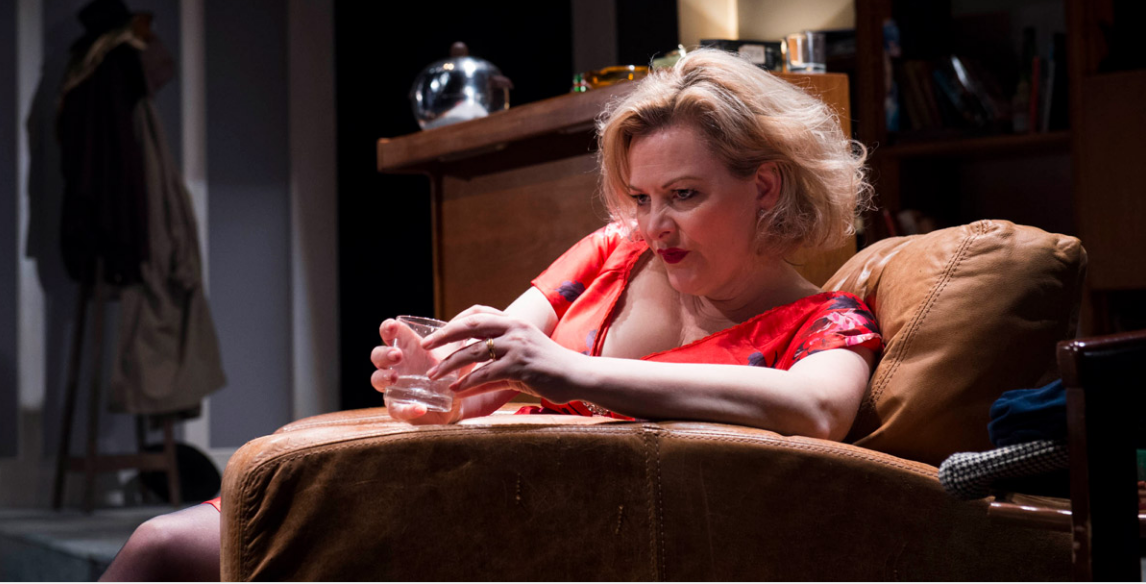
  • Story: In 1960s America, couple Martha and George verbally spar during after-party drinks with their new colleagues; in this tale of everyday lies.
  • Best bit: Robin Kingsland’s comic timing (as George) enlivens Albee’s deadpan humour.
  • Worst bit: The plot is 90% dialogue, which does make it drag a bit.

Jack and the Beanstalk

Spillers Pantomimes Production
Motherwell Theatre

  • Rating: 8/10
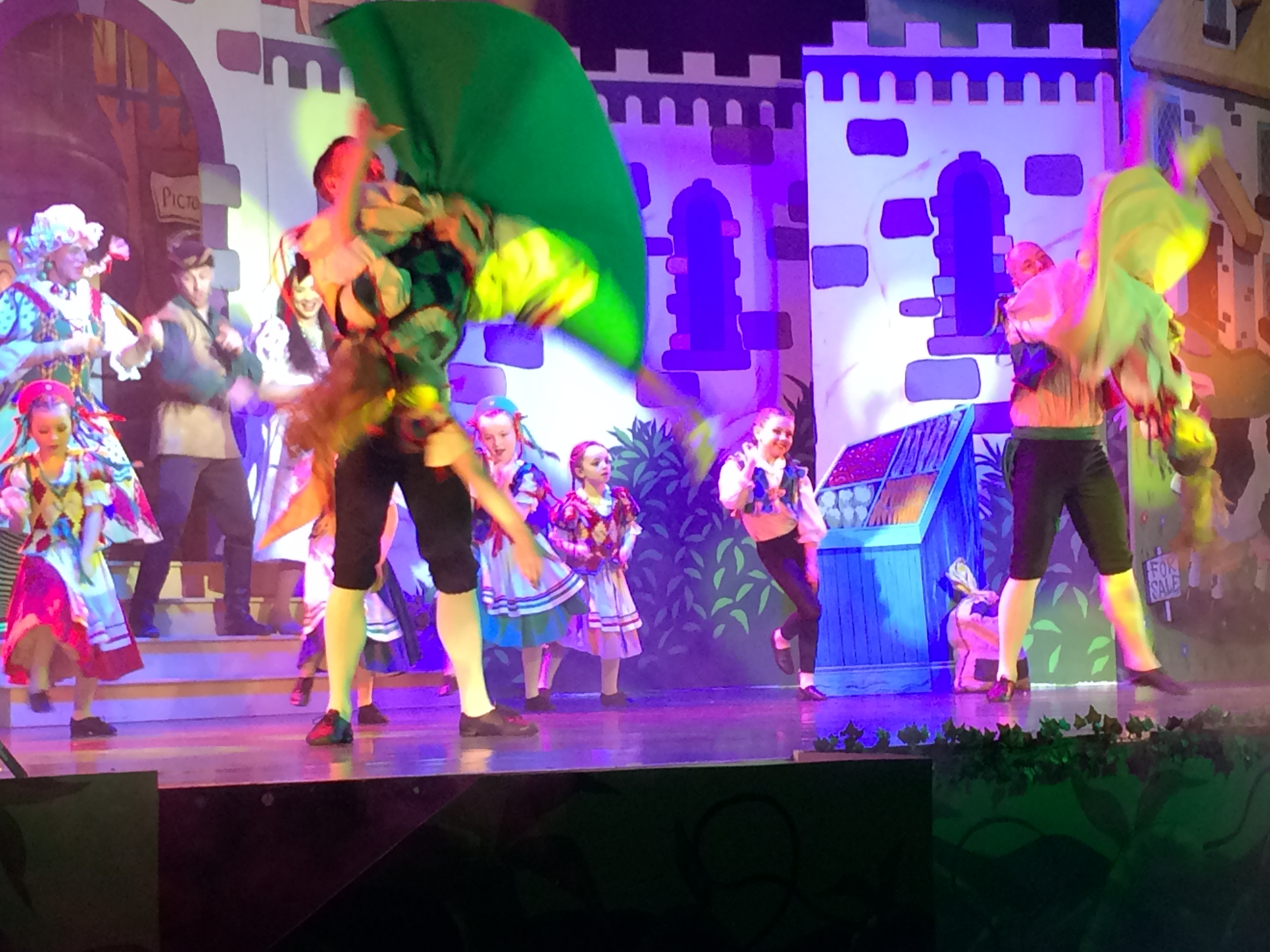
  • Story: Merryville (17C Scottish pantoland) is plagued by an evil giant so it’s up to Jack and the gang to slay him, in this all singing all dancing panto.
  • Best bit: The vocals and moves from all the cast, particularly Jack (Craig Anthony Ralston) far surpassed other regional pantos.
  • Worst bit: The plot was, at times, over-narrated.

Ghost Dances

Rambert Production
The Theatre Royal Glasgow

  • Rating: 7/10
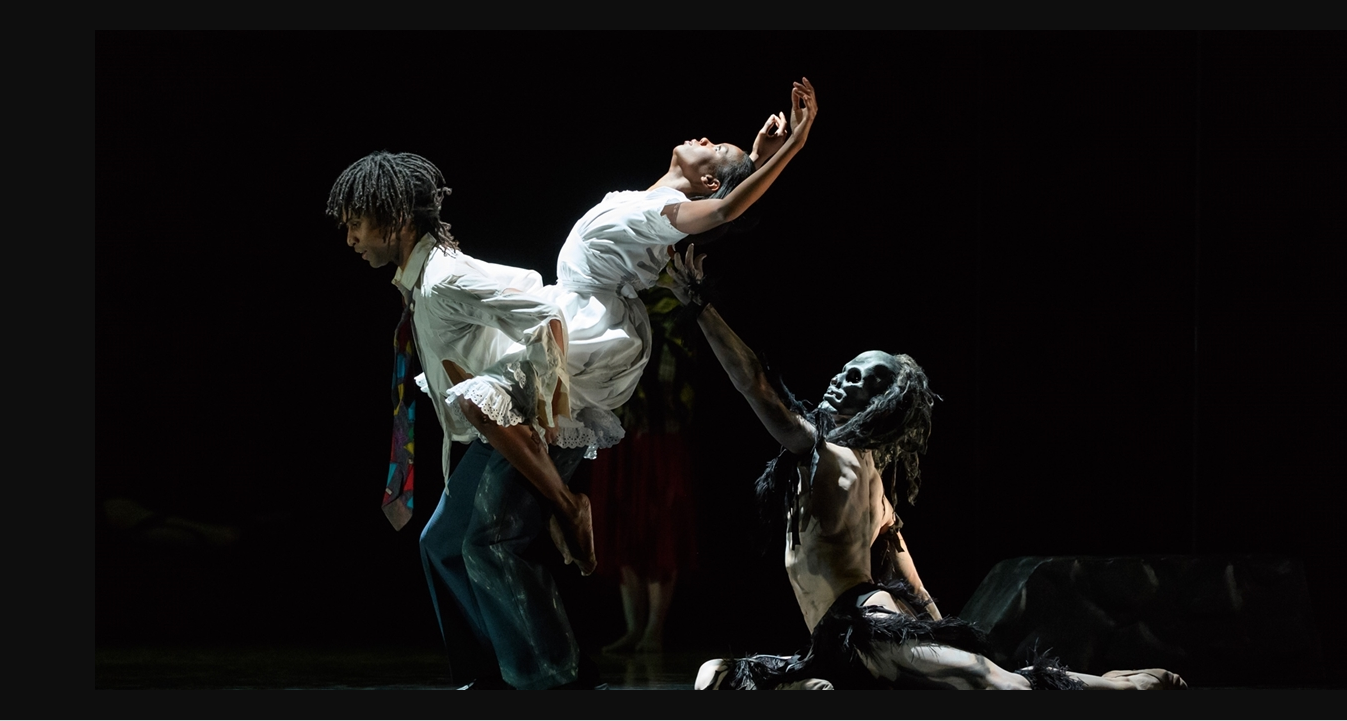
  • Story: A group of dances on love, life, and death, which climaxes in Ghost Dances – the tale of violence and political oppression in Central America.
  • Best bit: Miguel Altunaga’s dancing was a joy to watch.
  • Worst bit: The random combination of stories, such as a modern retelling of Macbeth, which clashed with the central theme of Ghost Dances.

The Red Shoes

Matthew Bourne Production
The Kings Theatre

  • Rating: 7/10
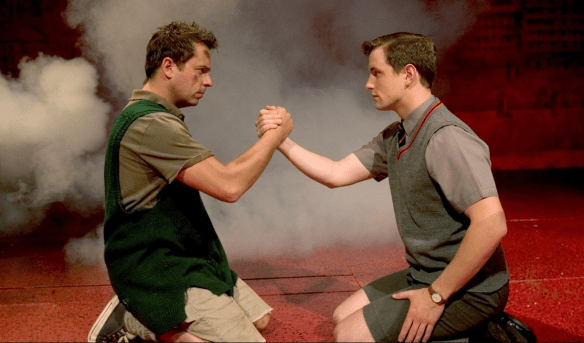
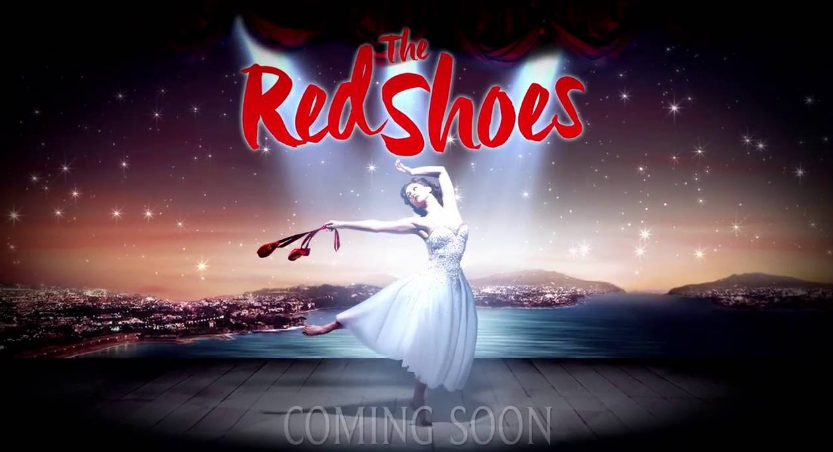
  • Story: A ballet about a film about a fairy tale; in which a prima ballerina chooses her lover over the musical director who dislikes him; meaning she loses out on great parts, before her redemption is offered to her in the lead part of the Red Shoes film.
  • Best bit: Lez Brotherston’s costume and set design is ingenious, working with stage borders, which spin around to indicate if the theatre audience are seeing the cast acting ‘off stage’, in studio or on the film set.
  • Worst bit: The lack of online synopsis left the audience guessing whether they were booking a ballet based around the film or the fairy tale.

A Christmas Carol

Cumbernauld Theatre Production
Cumbernauld Theatre

  • Rating: 6/10
  • Story: The Dickensian time travel tale is adapted to reflect 21C world crisis, in this touching panto.
  • Best bit: Paper puppetry used to show Scrooge the 21C problems like climate change that lay in the world’s future.
  • Worst bit: The marketing of the panto for children was inconsistent with its adult format (with few songs and jokes).

Love and Death in Govan and Hyndland

Play Pie and a Pint Production
Oran Mor Theatre

  • Rating: 5/10
  • Story: Ivan is a Scottish author suffering from writers’ block; unable to think of anything else he retells the story of his mother’s death from cancer, in this one-man play.
  • Best bit: Stephen Clyde provided a heart-warming portrayal of Ivan’s elderly mother, the typical wee Glasgow woman.
  • Worst bit: Ian Pattison’s writing lacked the dark humour that usually lifts such grim topics.

So that’s my year as a theatre goer! How was yours?

Have you seen these productions and heartily agree or think I’ve got it all wrong? Comment below and let me know…

Scottish Storytelling Centre

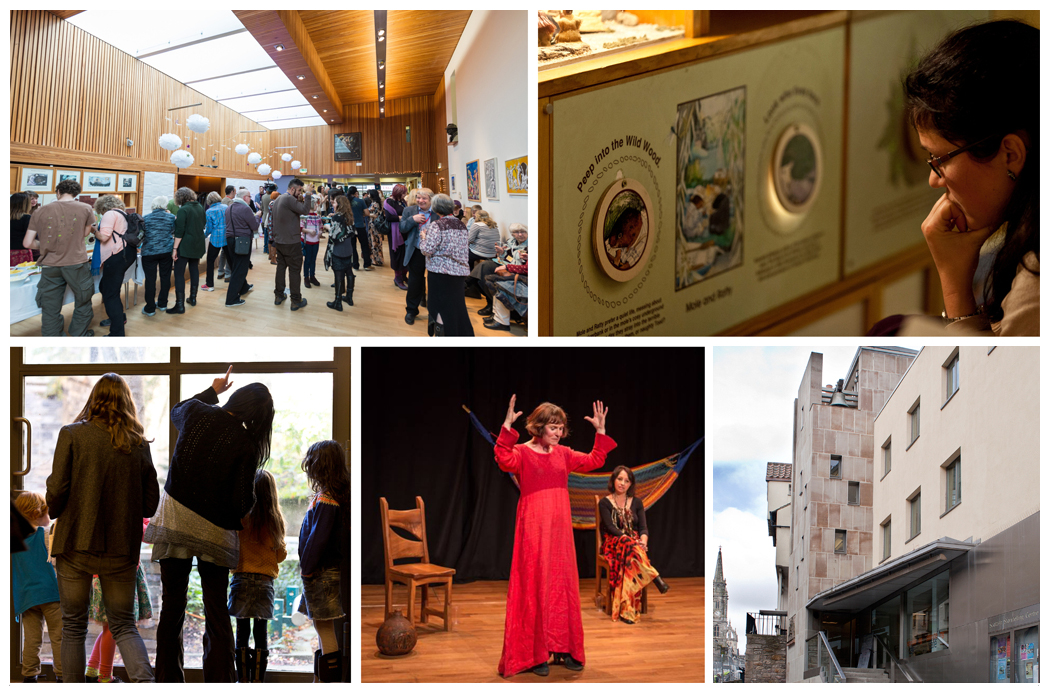
Want entertainment in its purest form? Look no further than the Scottish Storytelling Centre (SSC) a creative hub off of Edinburgh’s Royal Mile. This bespoke building focuses mostly on spoken word performance, stripped of microphones and scripts. Bustling year-round, SSC is particularly busy in festival season.

Marketing and Communications Manager, Lindsay Corr said: “Each summer we become a venue for the Edinburgh Festival Fringe and our tagline this year is ‘local talent, international context’. All our shows and performers are based in Scotland, many in Edinburgh, but all deal with international themes.”

These themes include migration, fake news and LGBT rights. SSC has broken ground by breaking down many of these issues for its younger audiences.

Corr explained: “One of our Fringe shows was At A Stretch – a phenomenal mime and movement piece – about two girls who fall in love and don’t really know what is happening. This show is targeted at ages six plus. At A Stretch is a kids friendly LGBT+ show; we think it’s important to cover diverse stories in a way that is accessible to children.”

Making narratives accessible to everyone is something that SSC is passionate about, as Corr said: “People can dip their toe into storytelling at our Café Voices events, which are running during the Fringe. These events are hosted by a storyteller, but are also open floor – meaning the audience doesn’t have to get up and narrate, but they are welcome to.”

This spirit of inclusion runs throughout SSC’s 17 Fringe shows, including Is this a Dagger – Andy Cannon’s historical analysis of Macbeth, (More) Moira Monologues – with Alan Bissett discussing Brexit and Indie Ref 2 from Scotland’s working class woman perspective – and The Loud Poets, who perform poetry for the masses, accompanied by a live band.

“The Loud Poets believe storytelling is for everyone and is something everyone can do – you don’t have to have gone to Oxford University to practice it and it doesn’t have to be pompous,” Corr said.

True to this sentiment, SSC has worked throughout its history with outreach programmes, bringing storytelling to disadvantaged groups.

Corr recalled: “Over the years the Scottish Storytelling Centre has had lots of outreach projects on the go; including Living Voices, which helped older and younger people find common ground amid the digital divide. The project taught older people digital skills and younger people the art of storytelling, to bring their two words together.”

Another project SSC undertook, in partnership with BSL:UPTAKE at Heriot-Watt University was Stories in the Air. In this project SSC worked with BSL interpreters, to boost their narrative skills and make storytelling more inclusive for deaf audiences.

Corr added: “We are also now running a sensory storytelling project for children with additional needs; The Story Kist creates a relaxed space with props that children can touch and smell while experiencing a story, which is run by two highly trained and interactive storytellers.”

A relaxed environment is key to any storytelling and it was this realisation that led to the founding of the SSC building.

Corr said: “The Scottish Storytelling Centre started life as part of an arts centre. Within this centre there was a group of storytellers that had been performing all over the country, but they wanted to have a stand-alone national hub that promoted storytelling, instead of it being an add-on in venues such as theatres.”

So after sourcing £3.5m, recruiting Malcolm Fraser Architects, and undergoing a five- year development, the SSC opened its doors on 6 June 2006.

The SSC building is gorgeous,” Corr enthused.

“It’s the first purpose-built architectural frame for a centre of storytelling, which has been important in providing good acoustics that cater to different storytelling styles and flexible spaces for events,” she added.

To truly appreciate the Centre, Corr encouraged people to drop in.

She said: “The best way to understand what we do is to attend one of our events. Storytelling is entertainment in its purest form, without the barriers of technology, and we want to help people enjoy it.”

Edinburgh Fringe for All


Edinburgh Fringe Accessibility 

Part of the Edinburgh Festival Fringe  thrill is navigating its many shows and people to find hidden gems. However, if you are a visitor with additional needs this can be daunting. Imagine tackling Fleshmarket Close with a cane or deciphering a Princes Street poet via hearing aid.

Fringe Community Engagement and Access Manager Lyndsey McLean said: “The city of Edinburgh is one of the Fringe’s biggest assets, but it also presents one of its biggest challenges; its medieval and Georgian architecture creates an immediate physical barrier, which in many cases cannot be altered. Venues for the Festival Fringe often appear non-traditional theatre spaces, so we work to help venues, performers and audiences improve accessibility.”

Improving venue accessibility can mean anything from installing a wheelchair ramp, to offering autism friendly shows. With such a variety of considerations, Edinburgh Fringe has once again collaborated with specialists at Attitude is Everything to optimise its efforts.

McLean said: “This year we are piloting a Venue Access Award, developed in partnership with Attitude is Everything. This provides venue managers with minimum standard of accessibility guidelines and offers different levels of achievement. This year audiences should start to see venues displaying Venue Access Award certificates.”

The certificates are a natural progression of the projects that Edinburgh Fringe has been undertaking since its founding.

In 2011, Edinburgh Fringe introduced its access bookings team to provide a personal service for disabled audience members. Now the team continues to build its access information database, and has trained customer service staff to provide improved booking services for disabled audience members.

Alternatively, customers who want to complete bookings online can establish a show’s accessibility via the Edinburgh Festival Fringe website or app.

McLean explained: “Audience members can filter their show search by accessibility. This allows you to see which shows are in venues that have level entry, wheelchair space, disabled toilets, and so on.”

She added: “Alternatively, if you find a show you would like to see – either online or in the printed programme – you can look for the access icons next to each entry. If you need more information then you can get in touch with the access bookings team, who will be happy to help.”

The Fringe booking process has also become friendlier with the introduction of free personal assistant tickets, allowing carers or friends of disabled customers to attend shows with them at no added cost.

After making it easier for disabled customers to see its shows, Edinburgh Fringe sought to give them more reason to want to see its shows. To do this the Fringe became an Attitude Champion.

McLean explained: “Being an Attitude Champion means setting goals that range from committing to ensuring that Fringe Society organised events are accessible to everyone, to creating an environment that encourages deaf and disabled people to work and/or perform at the Fringe.”

2017 Fringe shows that focus on disabled issues include include: Tom Skelton: Blind Man’s Bluff  – a comedy in which Tom talks about his and many more blind lives; Blank Tiles – a show about life after an Alzheimer’s diagnosis; and Bella Freak: Unwritten – a comedy show on three disabled individuals’ stories. These are just a taste of the many accessible shows that Edinburgh Fringe has to offer, the rest can be found at the Fringe website.

McLean concluded: “The Fringe Society works to make sure that the Fringe is as accessible and inclusive as it can be.”