Gdańsk

gdask start

One of Europe’s best kept secrets is Gdańsk, Poland’s principle sea port. Bursting with culture and not stag-do in sight; it is literally a breath of fresh air.

On a frozen February 2014 my mum and I visited my Dad (a marine engineer) as he worked in Gdańsk. We stayed in an apartment with views of the river and echoes of clock chimes.

These chimes led us to beautiful buildings, eclectic art and cheap cuisine.

So here’s my recommendation for finding the best of the city.

gdansk town hall

Art appreciating

To cast your eye over Gdańsk’s heritage there is no better place than the Main Town Hall (Ratusz Głównego Miasta). This public building (restored from WWII bombing) is part art gallery, part domestic museum.

After crossing its threshold a multi lingual guidebook explains its Gothic Renaissance paintings, sculptures and  wooden replica ships.

This mix of high and low brow art continues as you move upstairs, into an antiquated household, complete with vintage clothes and kitchen items.

Finally a photo exhibition of Gdańsk, pre and post WWII leads you to the exit.

gdansk amber

Old and new meet again in the Amber Museum (Muzeum Bursztynu) as contemporary jewellery showcases with historical. Here visitors can see amber finely carved into items, from around the globe.

Muzeum Bursztynu documents Gdańsk’s connection to the material, sourced in Baltic countries and circulated through its hub of merchants. This attraction is a must see for anyone who appreciates sculpture.


gd neptune

Traveling

Aesthetic treats are not confined to galleries; Gdańsk’s streets are awash art and architecture that deserves a walking tour. Moving through them, visitors can’t miss Neptune’s Fountain (Fontanna Neptuna) an icon of the Greek sea god, holding his trident poised.

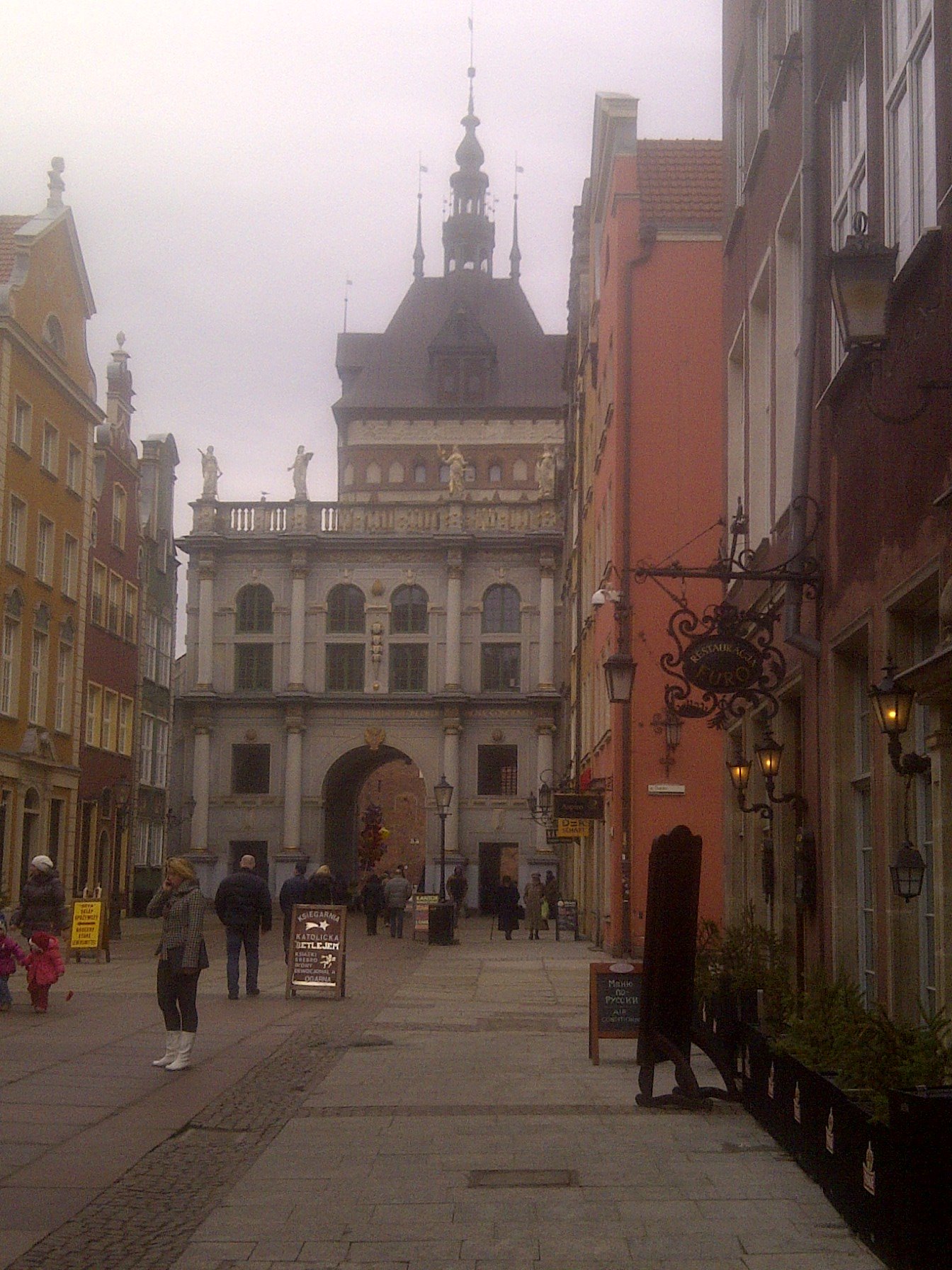
Neptune is situated in the heart of the ‘Long Market’ a bustling street of cafes and stalls, flanked by the Golden Gate on one end and the Green Gate at the other. Like most of Gdańsk architecture these Gates have Mannerist and Dutch influence that transports you back to a grander time.

Alternativly, for a working class tour, take the ferry across the river to The Crane. One of Gdańsk’s iconic symbols, the Crane was once used to transfer cargoes, erect ship masts and defend the city gates.

Defending the city from ideological attack was the Solidarity (socialist) movement. This movement, which saw shipyard workers fight for better living conditions, is recalled in the Maritime Museum (just next to the Crane).

While these attractions are a wandering distance from the town centre, further ones can be reached via the town’s metro. With cheap tickets, regular trains and colour co-ordinated maps, the lines are easy to navigate.

gdansk pyrabar

Dining

Just as easy to navigate are Gdańsk’s eateries; with cafes and bars on every street, all cheaper than their UK counterparts.

The best bargain my mum and I had was at the service of the Pyra Bar, on Garbary Road. This Ikea chic diner transformed potatoes into masterpieces. Its portions were big and included saucy casseroles, potato pancakes and stews. We ordered two casseroles and three pints of beer, getting change from 56 złotych (a tenner).

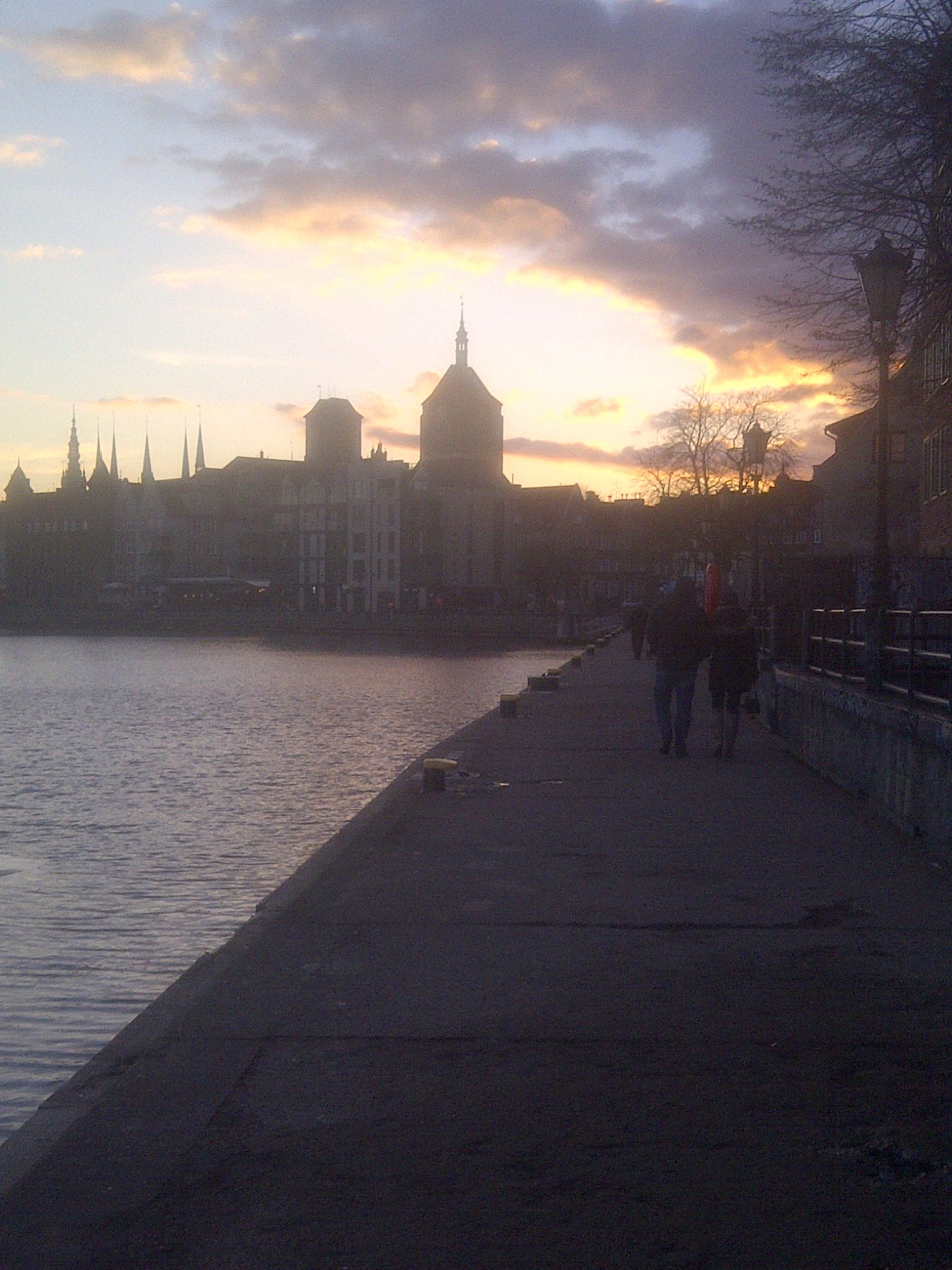
Then, for fancier fare, we headed to Goldwasser, a bistro overlooking the river. With outdoor seating, lanterns and a gothic interior, it was the perfect place to fine dine. Named after the famous liqueur (containing gold flakes) the aperitif was the perfect end to a seafood chowder starter and steak main. And if all the rich food is too much, you can walk it off – as we did – along the promenade.
gda l

Staying

Directly across the river from Goldwasser was my Dad’s working accommodation, where my mum and I stayed during our trip. However, if you stay on the Goldwasser side of town, and walk into its centre, there is a horde of accommodation to choose from, ranging from hostels to hotels.

With so much to see, eat and drink, Gdańsk really does spoil its visitors.
Paris

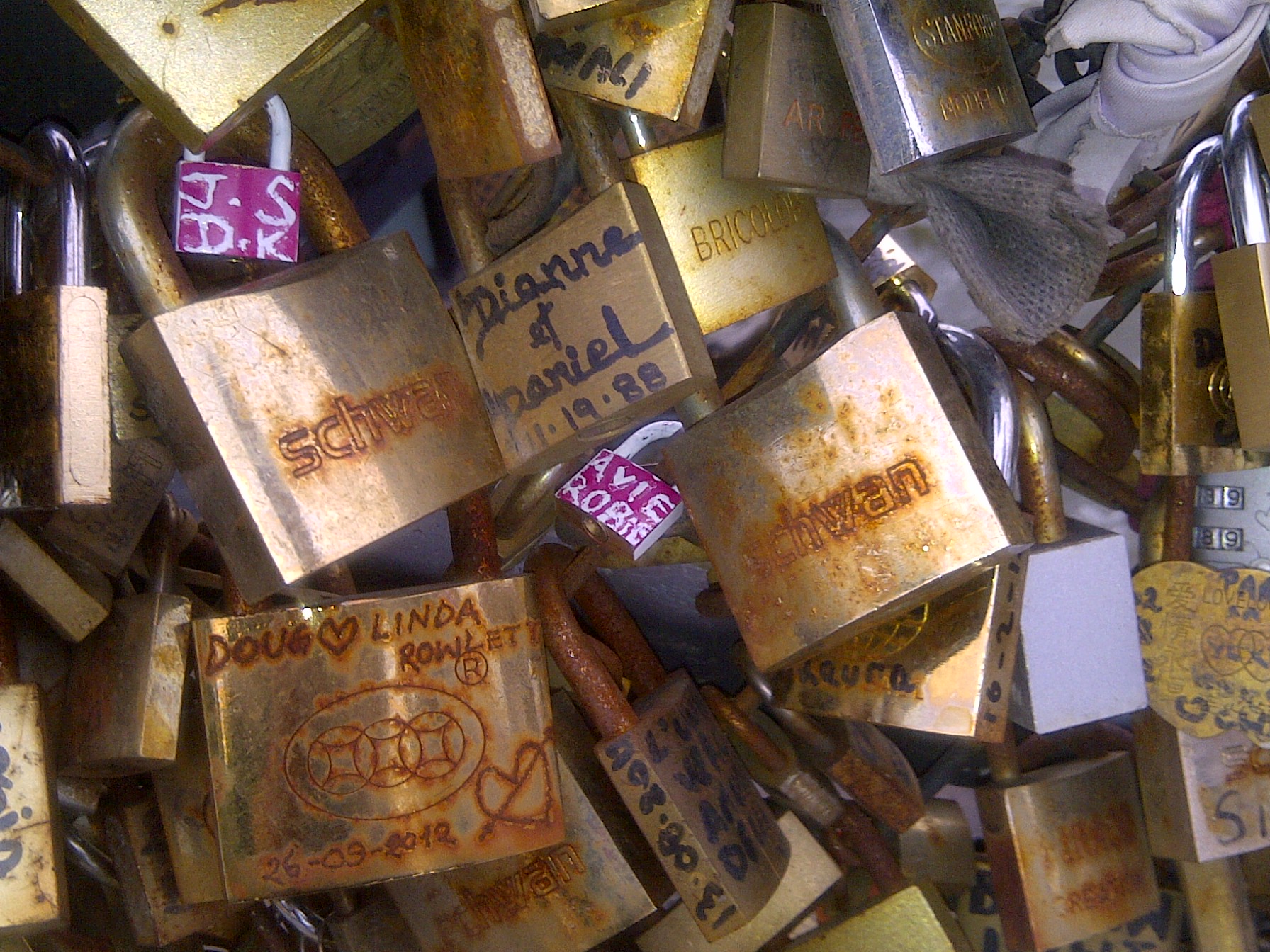
our padlocks on lovers' bridge Paris is known as the city of love; particularly apt if your love is art. In 2013 I took Parisian mini break with my mum (an ex travel lecturer) and we followed my artist twin’s recommendations of attractions. The result was a whirlwind tour of culture, cuisine and carry-on (my mum got berated for touching a sculpture in the Pompidou; hilarious since she is usually the one doing the berating)! We visited famous and hidden sites; learning that a week wasn’t enough to see all we wanted. Some venues were so huge it was hard to know where to start. So here are my recommendations for the pinnacle of Paris.

Art appreciating

Like most tourists I was dying to visit the Louvre, but nothing prepared me for the size and bustle of the place. After locating and joining Mona Lisa’s paparazzi my mum and I hesitated; what to do next? Luckily we noticed Napoleon’s apartments on the map. That’s right, his whole apartments’ interiors ripped out and relocated in the Louvre! They were stunning; a luscious look at how the other half lived. If you want romance in Paris skip the Eiffel Tower (cold queues) and visit this.

Napoleon raised his head again at the Pompidou Centre; where Picasso’s incomplete portrait of him hung. The Post Modern section beckoned me from the many floors of this gallery. If – like me – you enjoy aesthetically pleasing art then this is the section for you. My favourite pieces included one of a burning book, a Sgt Pepper’s style Adam and Eve and a psychedelic black activist’s portrait (pictured below) . For the full experience we rode the building’s transparent escalator and enjoyed the view from its roof.

black activist painting at pompidou

Traveling

Parisian streets assault the senses, so unless you really have to don’t waste them on the metro. Walking will give you a unique view of the city’s street art and architecture.

Bus tours are another great option, particularly if you want to see the nocturnal illuminations. We used the Big Bus Tour; enjoying its head-set commentary and chilled approach. For the best experience go from Spring – Winter, when it is darker earlier, and wrap up against the cold.

Daytime sights are best taken by canal, with tour boats boarding near the Eiffel Tower and running the length of the Seine. This is the perfect way to relax, away from the hustle of the streets. Boat tours also give an uninterrupted view of Notre Damn and the Louvre (perfect for photo opportunities). We used Bateaux Parisiens tours, complete with open plan seating and live guide commentary.

Notre dame

Dining

Finding good food at reasonable prices can be a challenge in Paris. However, armed with luck (and ex-pat reviews) we found some gems. Not far from the Scare Coeur, Le Relais Gascon is the perfect place for rustic French food. With pastoral scenes painted on its interior and wooden shuttered windows, this rue des Abbesses venue is charming. I would recommend its Tartiflette (potato, cheese and bacon tart).

Near the Moulin Rouge, Le Dit Vin is a hidden gem. Nestled on a street corner, this petite bistro offers tasty wine, seafood and home baking. Its specials board, friendly staff and open plan seating make it a hub of local life. When dining here I would recommend taking a phrase book and attempting some French; as the waitresses really appreciated it.

Mum at Le Relais Gascon

Staying

Le Dit Vin was just across the road from our hotel, The Rudyard Kipling. As the name suggests this venue had Post Colonial themed décor, with vintage sofas and books in the lounge. The breakfast room had an impressive cave appearance, with stone walls and chandeliers. Its continental fare boasted prosciutto ham, brie and Nutella among other items. Although the hotel was compact we managed to catch our breath from the bedroom’s Juliet style windows. This also provided a great view of the street (perfect for people watching). I would recommend this hotel for its comfort and its proximity to amenities (shops, bistros and metro).

the cave dining room (hotel) This is just a snippet of our trip to Paris; why not go and see all it has to offer.

Charity shopping

charity shop

My love of charity shops started as a child, when my twin and I would follow our gran through hordes of toys and books. The years passed, as did my gran, but the love remained. As my twin moved away first to Aberdeen, then to London she found comfort in their thrift shops; different yet constant.

Now, whenever I visit her, our home town or a new one I search these havens. I marvel at the vintage clothes, home- made items, retro books and board games.

Over the years my twin and I have found bargains to fill home and heart. Here are some of the best:

  • An entire J&G Meakin retro coffee set (around £20 from various Scottish charity shops; pictured above)
  • A Readers Digest paperback guide to crafts (50p from Duke Street PDSA)
  • Cross stitched framed landscapes (averaging at £2 per item in various Aberdeen charity shops)
  • A Warehouse work dress and jacket suit (£10 from Aberdeen’s British Heart Foundation)
  • A Reiss blue cocktail dress (£20 from Queen Street’s Cancer Research shop)
  • A Hobbs black batwing jumper (£2.75 from Duke Street Prince and Princes of Wales Charity Shop)
  • The Game of Life board game (£2 from Cumbernauld’s Salvation Army)

With these bargains I have picked up charity shop etiquette. For instance:

  • Bring cash: although most shops have card machines, some only deal in cash.
  • Never ask for discount: unlike ‘vintage’ or ‘second hand shops’ charity shops are non-profit, meaning after bills their proceeds go to the third sector.
  • Be nice to the staff: most of the staff are volunteers, so they are unpaid for their time.
  • Clean items before use: volunteers do their best to prep items, but if you are buying clothes or furnishings a wash will make them feel your own.
  • Give something back: shops need donations to keep thrifting alive.

If you are not convinced it’s worth the effort then consider this: charity shops raise more than £290m every year; they encourage recycling, keep high streets alive and offer work experience as a step into employment.

Duke Street Shelter shop volunteer, Kareen Robertson, said: “We have a lot of young people both working here and shopping here.

Shoppers are moving away from the idea that charity shops are just for old people; now they are becoming more fashionable.”

Epitomising this trend, Shelter (Duke Street) opened its doors in 2013 with an interior of chrome, glass, white paint, mirrored walls and two fitting rooms.

Ms Robertson said: “This shop fairly new, but it is considered one of the best on the street. Customers say that it doesn’t even feel like a charity shop (although all the proceeds do go to Shelter).”

She added: “Shops like this are a great place to source vintage clothes and unusual pieces. Sometimes you can find things here that you can’t find anywhere else.”

Echoing this sentiment is Duke Street Prince and Princes of Wales Charity Shop volunteer, Pat Hendry.

She said: “It doesn’t matter what people bring in, someone will buy it. We had a horses’ saddle donated the other day and we managed to find it a new home.”

 “We have people coming in looking for eclectic things; a while ago we had a lady  – who does acting – looking at the pound rail and she bought a fancy top with orange, greens and blues; it was horrible but it suited the play she was doing.”

Ms Hendry noted that her most popular items were designer clothes, but that vinyl records were also becoming popular again.

She concluded: “The prices in here are very low, so people are happy to get a bargain. But people are also more socially –minded and want to help out charities.”

To find a charity shop near you visit Charity Retail’s shop locator.

Ballroom Blitz

 Ballroom 4

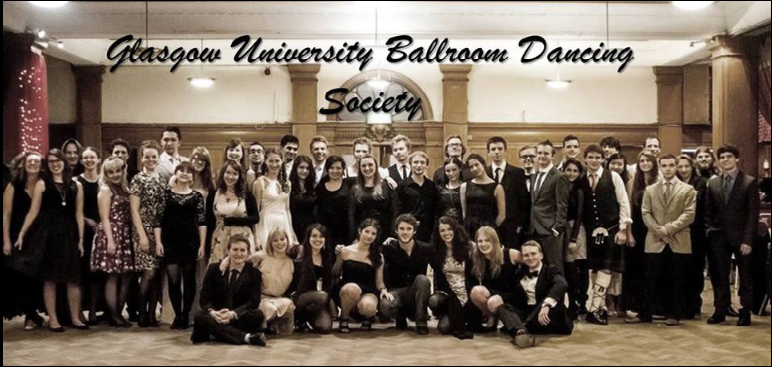
Ballroom has hit a renaissance, with programmes like Strictly Come Dancing dispelling its myth of antiquity. Instead its speedy steps; dapper dress and modern music have been exposed.

Glasgow Ballroom Dancing Society instructor Julia White said: “Ballroom is not just a stuffy old waltz that travels around the room. It can be a fiery Latin Samba, graceful Foxtrot or a whirling- twirling Viennese Waltz. There is something in it for everyone and can be lots of fun; even addictive.”

Having moved from America to Annisland, White (who is now 24) sought to continue Ballroom and this brought her to the Glasgow club.

She said: “Unfortunately at the time the club didn`t have a competing group, so I began to help plan trips to competitions. The group is currently in its 3rd year but the competitive aspect only began this year, and the response has been even greater than expected.

“With expansion of the club we have found more experienced students to help teach some of the introductory classes, and just this year we found a professional to help teach the more experienced dancers.”

Leading the group is Society President Marit Behner, she and White join the rest of the executive board booking rooms, organising events and keeping members happy.

21- year- old Behner, joined the group in 2013, but first started dancing at age thirteen in Germany (where Ballroom is a rite of passage). Having lost practice for a while, Behner returned to the art in college, before joining the Glasgow Society in 2013.

Despite her early start, Behner explains that the art is open to everyone, with no previous experience needed.

She said: “We aim to make beginners classes so everyone can join and learn dancing from scratch. Once you know the basics you can move up to intermediate class.”

White agrees: “Our beginner’s class is perfect for anyone that has never danced before, and for those who have danced but want to learn the basic Ballroom footwork. As dancers progress they can move up to the intermediate class which adds addition footwork and moves.

“We don’t force anyone to move up; they can come to as many of the classes as they want, although the more they do come the faster they will learn.”

Classes run Monday and Wednesday in Glasgow University’s Union and Chapel buildings. Updates on class locations can be found on the Society’s facebook page.

Monday hosts an open floor from 2 to 3pm, where dancers can practice and socialize, then it’s Beginners from 3 to 4pm and Intermediates from 4 to 5pm. Wednesday from 3 to 4pm is a mixed Intermediate and Beginners class; then from 4 to 5pm is Competitors. Class slots also vary from term to term.

Beginners and Intermediate classes are £5 is per lesson, with the fourth free. Competitors’ classes are a further £5.

Beginners need only bring themselves, no fancy footwear or partner is required.

Behner said: “Our intermediate and beginner classes are open without a partner; we rotate partners throughout the class, to keep it mixed and sociable.

“For our competitive class however, we ask people to come with a set partner, though we help pairing people up at the beginning of term.”

She added: “We have a good mix of ladies and gents or leaders and followers. At some points we have more leaders, at others more followers, but it is no problem pairing people with the same gender. In fact, it’s taught me a lot more than just being a follower.

“In terms of age we have mostly students attending, but are open to all ages as long as people enjoy dancing.”

A standard class teaches two different dance styles, usually one Latin (such as Rumba, Chacha or Samba) and one Standard Ballroom (such as Tango, Waltz, and Quickstep).

White concluded: “There are wonderful benefits to dancing, whether it`s gaining confidence, improving posture, getting in better shape or even just making new friends. It`s fun and the people are friendly. There`s nothing to lose from trying.”

For more information visit the Glasgow Ballroom Dancing Society facebook page.


Cordao De Ouro

1 cap

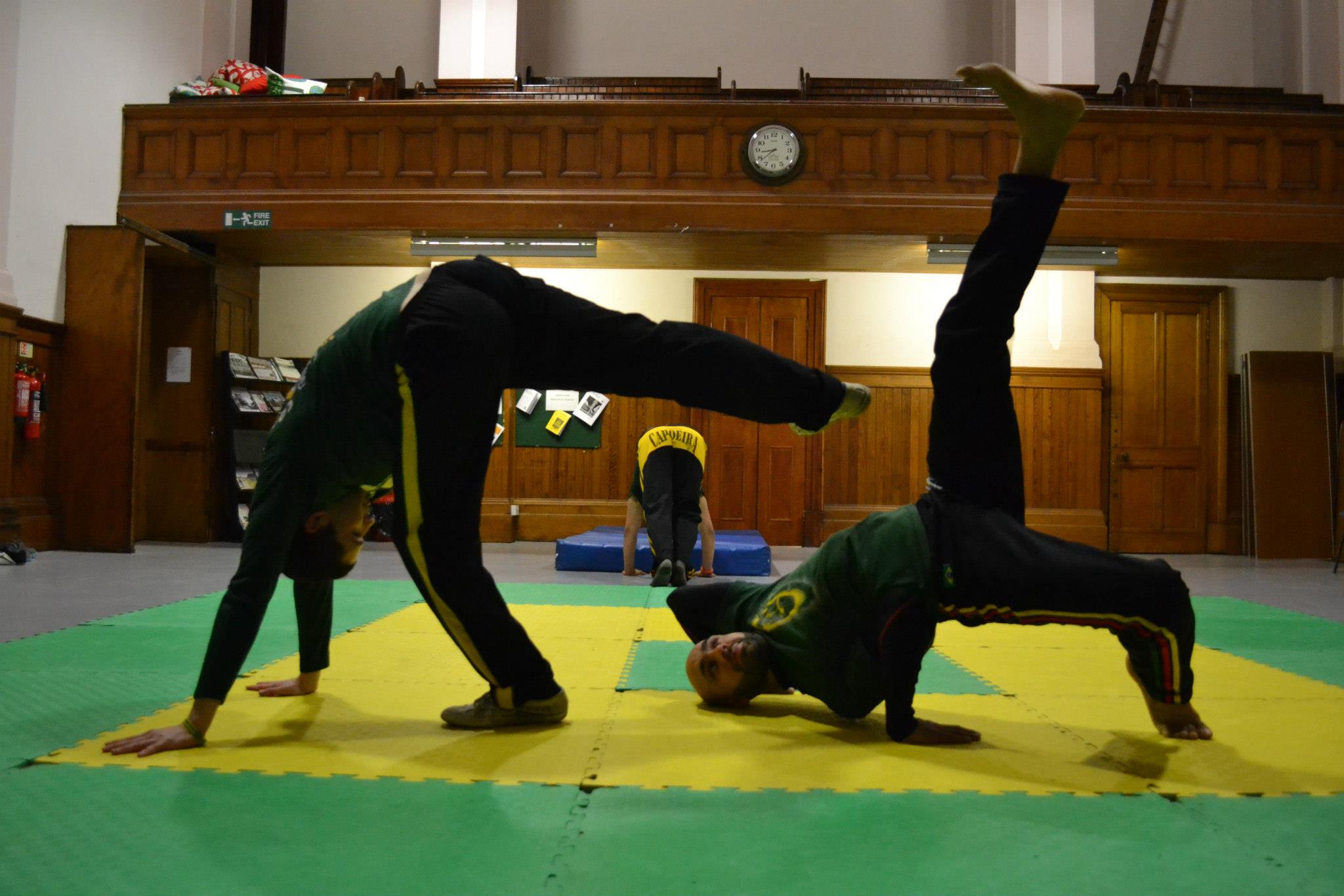
Capoeira is a martial art with a difference; it uses combat, music and dance to express Afro Brazilian history.

Capoeira Instructor Fiaz Jaca Cdo explained: “Capoeira originated in Brazil among African slaves. The slaves were banned from practicing martial arts, so they disguised it as dance. Today Capoeira incorporates this influence in its beats and languages.”

Dance is now vital in Capoeira culture. While some classes focus on ‘play’ similar to sparring Instructor Jaca’s Cordao De Ouro class also uses musical movement play to improve stretch and coordination. It was this aspect that first brought him to practice.

He said: “My ex-wife is a dancer and she was trying to loosen me up, both physically and mentally, so she brought me to a Capoeira class. At the time I could barely touch my toes and wasn’t sure if it was for me, but the music kept me going back.

“Capoeira has elements that appeal to everyone. It’s not about using force; it’s about leverage and technique. At the higher level we use the pads and bags to practice kicks and strikes.”

Each Cordao De Ouro class has a different focus, with sessions running at various times and locations across Edinburgh and in Glasgow’s Wellington Church. In Glasgow: on Monday from 6 to 7pm is a beginners group; then from 7 to 8:30pm is an intermediate. Wednesday from 6 to 8pm is a mixed levels practice, with Capoeira music. Friday from 6:30 to 8pm is a mixed levels practice, with acrobatic training.

Kids classes are also held in Wellington Church; on Wednesday from 4 to 5pm is a group for 5 to 10 year olds; then Friday hosts three classes: one from 3:30 to 4pm for 5-8 year olds, another from 4:15 to 5pm for 8-11year olds and finally one from 5 to 6pm for those 11 and above.

Adult Classes are £6.50 booked individually or cheaper when part of a block. Beginners get their first class free and can participate in gym clothes.

Instructor Jaca explained: “In class we will start by introducing the new members; then we warm up, practice dynamic stretching and the ginga [basic play] stance. Once warmed up we will move on to partner work, kicks, counter work and basic acrobatics, like cartwheels. This will then evolve into sequences and be practiced with different partners.”

Partner practice is showcased at the end of each class, inside the Roda or circle. Students will stand in a ring and watch two of their peers ‘play’ in the middle. Instructor Jaca explained that the Roda symbolises the world.

“This is what Capoeira is: the Roda, the play in the circle, the music, singing and history. When the music is right it builds timing and improves response. Capoeira is not just about learning the moves; it’s about how you develop as a person.”

As students develop they progress through a belt grading system that uses colours of the Brazilian flag.

Instructor Jaca said: “As the instructor I will monitor the students to assess their level; but no matter the level, every student must show commitment; this brings a sense of community to the group.”

Capoeira’s traditions have now been recognised by the United Nations, which in November 2014 awarded it cultural heritage status.

Instructor Jaca concluded: “Historically Capoeira was about the African and indigenous Brazilian fight for liberty. So Capoeira is about freedom. People rush to Capoeira class to unwind from the stress of the day. If you are looking for mental, physical and spiritual peace Capoeira is the thing for you.”

To find out more or book a class, visit Cordao De Ouro Capoeira website.

Staycations

elgin

January is a trying time of year, with many of us facing little money or annual leave left after Christmas. Team this with seasonal hibernation and you have the perfect recipe for cabin fever. How can this slump be overcome? A staycation.

A staycation can be any length of domestic holiday, from minibreak to camping excursion. It may not have the sun of a foreign trip, but with less travel time you can up and go spontaneously. This spontaneity won’t then be ruined by flight delays and hours spent in an airport.

But, I hear you say, ‘British accommodation is so expensive, I could get a package holiday with this money’. Compared to package hotels UK venues are pricier, but with good reason, our minimum wage is higher than that of many countries.

So while you enjoy a UK break you can bask in the virtue of supporting fair pay, local industry and carbon – reduction (from not flying).

Still not sold? Well let me tell you about some great Scottish staycations I have had.

St Andrews

A beach break led me to Kingsbarns in St Andrews. This picturesque town was the scene of a group camping trip, where eight of us pitched up on white sands. Camping gear, food and drink aside, it was free of charge.

My friend’s past experience led us to a perfect spot with a free car park, public toilets and a quiet strip of beach.

The good weather held out all night, so we enjoyed a BBQ, games and campfire before the rain started the next morning. Word of advice; this trip is best saved for summer.

Dunfermline

Another beach break led my boyfriend and I to Charleston, a seaside town minutes from Dunfermline. We took advantage of a daily deal site and got two nights in The Elgin House Hotel, with wine and chocolates for £90. The hotel provided comfy – if dated – accommodation but its bar, garden and seaside view more than compensated.

The next pleasant surprise came in Dunfermline’s town centre. Trip adviser led us to a beautiful restaurant called Ciao Italia with mood lighting, chic décor and gorgeous food. Once full we went to PJ Malones rock bar and enjoyed some live music. The variety and quality of nightlife was amazing; a real hidden gem.

The next day we blew away our hangovers with walks on beach and through the dramatic Carnegie Park.

Drimsynie

Dramatic views were also had at my favourite staycation: Drimsynie holiday village. This gorgeous Highland retreat features log cabins, outdoor activities, a spa, pub, restaurants and walkways. Prices start at around £200 a weekend (for a two bedroom cabin) but splurging could upgrade you to a hot tub lodge.

The resort hosted my Auntie and Uncles’ Golden wedding celebrations and our extended family all had a ball. My cousin brought her dogs and they joined us for BBQs on the porch and long walks. After the communal fun, I chilled with a massage and swim in the spa.

With a perfect mix of private and public space this staycation would be great for couples or families.

If these tales don’t have your feet itching what will?

Budget festive fun


ginger

Christmas is a time of joy, but shopping and parties can leave you skint before the big day. So instead of throwing money at it, why not take Noel back to its humble roots. Here are my five tips for budget festive fun.


  1. Bake it off, I bake it off…

Baking is pretty cheap and an easy way to get your house smelling festive. Among the meagre ingredients of your kitchen there’s bound to be a treat. Only got eggs and sugar, well then you can bake meringues! Or combine cereal and melted chocolate to make crispy cakes. No need for cook books, just enter your ingredients into Supercook website and it will provide the recipe.

Missing some vital tool (like an electric whisk) well why not ask your neighbours if you can borrow theirs, Christmas is a time of sharing after all. You can reward this generosity with some of the aforementioned cake.

  1. Give it away, give it away now…

Christmas is a time for giving, so it’s nice to include a bit of philanthropy. Can’t afford a donation? Then why not round up your old clothes and bric-a brac to give to a charity shop. One man’s junk is another man’s kitsch, so clear out the old and make room for the new. To find a charity shop near you, search your post code on Charity Retail’s search engine.

  1. Singing in the rain…

Carol concerts are a great way to get into the festive spirit; not to mention a cheap night out. From churches to high streets, every town has them and they are usually free to attend. You might not be Christian, you might not even like singing, but there is something magical about a candlelight chorus that’s had to resist.

One venue that runs a schedule of concerts is Glasgow Cathedral and details of these concerts can be found on its website.

  1. Watch me now…

With Christmas films the old ones are the best; so look out the TV guide and get them recorded. It’s a Wonderful Life, The Vicar’s Wife, White Christmas and Meet me in St Louis are just some worth digging out. Don’t have a smart TV? Then download sites, charity shops and libraries are good places to source them. But if you do have a bit of cash to splash why go to the Glasgow Film Theatre, which dedicates some of its December bill to such vintage views.

  1. Read all about it…

Libraries, among other council buildings, host great Christmas events. Not just linear celebrations, but interactive craft and literary workshops. This year Dennistoun Library revamped its interior to look like Narnia’s winter wonderland, a perfect setting for its C.S. Lewis- fest. Admittedly this was aimed at kids, but it shows the free festive events that could be under your nose! For Christmas events in Glasgow, check out Glasgow Life’s website.


So take heed, Yule tide celebrations need not cost the earth. Get out there and deck the halls.


Hap-Jitsu

Hap-Jitsu


Joining a martial art can be intimidating; fear of injury or pricey memberships can put many people off. One club in Dennistoun is working to eliminate these deterrents, by adapting two martial arts into one accessible form; Hap-Jitsu.

Hap-Jitsu combines the Korean Art Hapkido and Japanese Art Ju-Jitsu, taking parts from each sport’s syllabus to make a new one focused on practical self-defence.

Club co-founder Derek White said: “As a group we don’t do competitions; we are not training for medals, we are training for real life situations of close contact.”

He continued: “Hap-Jitsu is easy to pick up because it’s user friendly. We use technique as opposed to strength; making it a good martial art for women and children, because smaller students can train on equal footing with bigger ones.”

This equalising method works to fill the age void of close-contact martial arts.

White explained: “As Ju-Jitsu and Hapkido are close-contact arts, they don’t have the same attraction for kids as those that involve competitive training from outside their fighting arc. So we have developed a Hap-Jitsu kid’s syllabus that incorporates katas, training drills and techniques that focus on defending from a distance as well as close contact.”

Contact levels differ across each Hap-Jitsu peer group, with junior classes covering ages 5 to 9, intermediate covering ages 9 to 13, and adult classes covering aged 14 and above.

The classes run a belt grading system where students learn a set number of techniques, then perform them in front of a grading panel, before graduating belt colours and moving up the syllabus.

White said: “The basic drills of Hap-Jitsu act as foundation stones to more advance techniques; as students gain more experience the technical level increases.”

This grading syllabus showcases the founder’s combined experience.

White explained: “I studied Hapkido for a number of years and the other founder, Andy Moran, had studied Ju-Jitsu for a number of years. So Hap-Jitsu was formed when the two of us came together, trained, shared our knowledge and qualified in each other’s art forms.

“As far as I am aware, we host the only Hap-Jitsu class in the world. Other clubs who have tried to bridge Hapkido and Ju-Jitsu haven’t lasted, because most of their instructor’s training lay in one field. However Andy and myself have an even split of skills, so we have managed to diversify the syllabus.”

This syllabus involves striking, kicking, throws, locks, blocks, and fitness training. However, White explained that the class also develops the mind.

“At Hap-Jitsu we promote discipline and mutual respect, but we do it while having fun. A lot of martial arts can be intimidating for less confident students, because they are at times overly uniformed and formal; but we create an atmosphere of equality.”

“When kids join the class their parents tend to notice they get more involved with their peers and gain confidence. This could be because the kids feel more able to deal with conflict or because they are in a group that encourages self belief and team work.”

This community spirit is reflected in the clubs’ mantra.

White said: “Dennistoun is my home town, I was born and bred here, and Andy (Hap-Jitsu co-founder) lives here too.

“We are well aware that we are in an area suffering social poverty and, in today’s society, people struggle to get by; so the club is reasonably priced, and we make it a priority to keep our classes available to everyone.”

“We are a voluntary organisation that runs to support itself; so we can afford to keep the costs low.”

Students get their first Hap-Jitsu class free, and can participate in sports-wear.

White said: “Anyone who is thinking of joining the class should just come along, see what we’ve got to offer and have some fun.”

For more information visit the Hap-Jitsu website.

Supply and Demand

Divided City

Image copyright to Corgi books


An interview with author Theresa Breslin

The building is white washed, boxy and in the middle of nowhere. It could be mistaken for a corner shop, if it wasn’t for the big sign that reads: Scotia and Chameleon books.

We walk through the odd, right angle corridor into the warehouse, and the mixture of work and home becomes more apparent. The bright, open plan room sprawls out, with a kitchen area at the front and countless bookcases behind it. Colourful posters of literary characters adorn the walls, and lines of new books stand to attention on shelves. I am given a cup of tea and a seat at the kitchen table, as I wait for author Theresa Breslin to arrive.

I’ve barely had two sips of tea when Breslin flurries in, with books under her arm. She explains that the books are for a local school reading week, which she is helping organise. This reading week is just one of the events Breslin has taken part in, since adopting the role of Scottish Reading Champion.

She said: “You basically talk to kids and encourage them to read for pleasure. It involves doing bits for the Reading Champions website, and writing about your favourite books.”

As well as being a Reading Champion, Breslin contributions to literary journals, and writes books for people with reading difficulties, such as dyslexia. Her other responsibilities include: starting up the West of Scotland Children’s book group, coordinating the Scottish Writers project, being a member of the Scottish Book trust and the UK Government Advisory Committee for Public Lending Right.

Breslin’s attitude of full time writing is reflected in her appearance. Although we are only meeting for a casual interview she is dressed in a smart black trouser suit, teamed with a crisp white shirt. Her formal dress is, however, softened by her auburn, pixie haircut.

The bob suits her mischievous expression, as I ask her about the childhood books that influenced her writing. Breslin leans in to me, as if divulging a secret, pauses a little, and explains that Dickens’ A Tale of Two Cities was her ‘epiphany book’.

“I always felt sorry for Dickens, because his books were on the bottom shelf in our library. So one day I went in, and I picked up A Tale of Two Cities. When I was reading it was frightened. I thought: God, this is the first book I’ve read where I didn’t know what was going to happen. It had a great opening line and a great ending. And it made me feel kind of hyper… I thought that’s really what a book should do.”

Despite Breslin’s passion for reading, she didn’t always plan to become an author. Instead, she chose to be a librarian, and stumbled across her calling, while working for a mobile library. Breslin explains that during a stop at Gartcosh, she discovered the village’s steel mills were closing, and it inspired her to write a story about it.

She said: “The situation was really quite bad at the time, and the workers were marching to London and everything. And just about the same time a writers group had started up in one of the local libraries, so I went along.

“I decided to write about the steel mills closing down. When I read it to the rest of the group they thought it was a children’s story, because it was written from the village children’s point of view.”

Breslin’s story won the Young Book Trust Fidler, an award for new writers. She then got it published as her first novel, Simon’s Challenge.

Since Simon’s Challenge was published in 1988 Breslin has released over 30 titles for children and young adults. These include novels, plays, radio scripts and T.V. scripts. Her novel Whispers in the Graveyard won the Carnegie Medal in 1994, and Divided City won the Catalyst Book Award and the RED Book Award in 2005.

Breslin credits her inspiration to ‘real life situations, people, newspapers, being curious, and suggested topics’. Her novel, Bullies at School, was written as a request from a child who was being victimised, and wanted a story written about the topic.

With so many books published, I ask Breslin if writing comes quite naturally to her. She looks abashed at this suggestion.

No, I have to labour at writing. I have to think about it. It doesn’t just happen… not for me anyway. Usually when I’m working on a novel I have written the whole book at least four times before it finally gets given to the editor.

“I’m at my desk writing at half eight in the morning, and I rarely stop before half one… I have to go over and over my work. It is a craft. I think there is talent involved, but a lot of it is a craft.”

But writing has its perks; Breslin visited Egypt to research her Dream Master trilogy, Belgium and France, when she was researching Remembrance, and Italy to research the Medici Seal. She tells of her visit to an Italian castle.

“When I got to the castle there was a sign on the door saying it was closed! I was really fed up, so I slouched against it and it swung open. I fell into the castle!

“So I went up to the cash desk, and there was no one there, but I did see all these school bags sitting. I decided I would just run about quickly before anyone could chuck me out! But when I walked over to wall, to get a look at the view, I saw the tour guide taking a class around! I had to play hide and seek with for a while, so that I could sneak out… but I did leave some money on the cash desk.”

It seems that being a librarian has left a firm imprint on Breslin’s conscience. She explains how this applies to her writing as well.

Breslin moderates the language in her books and the description of violence, which may disturb younger readers or prevent them from accessing texts. As a member of the UK Government Advisory Committee for Public Lending Right she knows what material is deemed suitable for young readers and what is not.

“I am aware of my audience, because I am writing for children I don’t think it’s totally necessary for the characters to come out with a stream of swear words. If I put the swear words in then the target audience would not have been able to access my books. Young readers have ‘gate keepers’, like librarians, parents and teachers, who stop them from accessing things that could be offensive or deemed unsuitable. I didn’t want to block any children from accessing my books.”

Despite Breslin’s censored style of writing, she confronts the heavy subjects of sectarianism and racism in her novel Divided City. Breslin tells me how she adapted a harder, faster style of writing in the Glasgow based novel.

“I wrote my novel Remembrance is like a piece of music, with an overture and an introduction, and all that, but I tried to write Divided City more like a rap. So that the book was telling the reader about the action as it was happening right away, and it was very fast moving.”

Divided City was used for the Ireland’s One Book project in 2005, which attempted to break down some of the country’s north and south divide through the community reading project. Breslin also read the novel at a conference in Luxemburg, where it was used to discuss conflict resolution.

Children’s’ fiction, she believes is as relevant today as it was then.

She said: “I think children are still reading for pleasure. The media likes to focus on negative stories, saying children aren’t reading anymore, because they are more sensational than positive ones.

“I don’t know if children have as much time for leisure reading as they used to, because they are doing enormous amounts school of work; their school bags are much heavier than mine ever were! But they continue to read anyway.”

Rain Rose

dilys rose

Image copyright of Luath Press Limited


An interview with author Dilys Rose

Rain pelts down on the way to the Ramshorn Theatre, me and my mascara begin to run. Not everyday rain, more like the kind Noah faced before he got his arse on that ark. Rain soaks through my jacket, behind my glasses and I reach the door as an Alice Cooper lookalike.

Momentary relief hits as I step inside. But it doesn’t last long. There is a palpable tension in the air, like the first hour of a birthday party. Will anyone come, in this rain?

I receive a plastic cup of wine, and glance around. We are waiting for more to arrive before starting. Faced with the choice of standing or sitting, I take a seat. I see Dilys Rose, also sitting, and relax: if the guest author’s doing it, it must be okay. She and two girls fill the candy coloured table; daughters maybe. I meet her eye and smile. I interviewed her earlier today, so we kind of know each other, but don’t.

I look away at the decor, plain paint walls, dolled up with mood lighting. It’s a Glasgow skyline trick; purple and turquoise beams to make the ugly attractive. Speaking of ugly, a ‘drip, drip’ echoes from the false ceiling. Sympathy nerves start. I only met Rose today, but I’m worried for her. She strikes me as insecure; like the ceiling.

Rose takes the floor. I hold my breath. She dons a prop hat and starts, and that’s it. She’s a different person, confident, not the woman I interviewed.

‘The weather was permissive…’Rose drawls, reading her poem. She attributes the phrase to a Slovakian tour guide’s broken English. Earlier in the day, Rose explained that her writing is part recollection, part invention.

“Writing is about what you observe around you; you always have to take what you know of the world and then do something with it.

 “Before I started writing I did a lot of drawing and painting; I probably wasn’t very good at it. Then when I had been travelling for a while, in my mid- twenties, I lost a whole series of drawings on a bus. I realised that if I was going to be so unsettled it might be better to work in a form easier to reproduce. That’s when I started writing.”

And write she did. In 1989, Rose broke into the literary scene with Our Lady of Pickpockets, a collection of short stories, and Madam Doubtfire’s Dilemma, a collection of poetry.

She said: ‘It looked like I had been really prolific, but they had been worked at over quite some time. It didn’t happen overnight; the process for me was very slow. I was writing poetry and short fiction and gradually things were getting published in magazines, and broadcast on radio. Then, at the end of the eighties, my book of stories and book of poems came out at the same time.”

Since then Rose has written a novel, as well as multiple collections of short stories and poetry. During our interview she explained that her heart still belongs to poetry.

“For me it is about sound and music, I deal with poetry in prose as much as in verse. There has never been a lot of money in poetry and some people say there is not a lot of poetry in money.”

Ever adaptable, Rose told me of her role as librettist in Rory Boyle’s Opera, Kaspar Hauser.

That was a great collaboration, really enjoyable in all respects. The composer and I had worked on a piece together before; then he mentioned he had been reading a book about feral children and wanted to do something on that.

“Kaspar Hauser’s story stood out, which was one that had always interested me. So we started to tell his story and we were fortunate enough to be given the Creative Scotland Award. We also had a director who was very accepting of what we wanted to do, which was to keep it understated.”

The same cannot be said for Rose’s previous musical production, Helter Skelter. Staged in the Tramway Gardens, with contortionists and cabaret dancers, it was described as a ‘dark fairy-tale for adults’. Rose sighed recalling the project.

“It was one of the most stressful things I have ever been involved in. When it came to stage there were terrible problems with the venue, it rained that whole summer, and it was an outdoor production. There were some great ideas, but it was not ready when it was first put on.

“People kept trying to squeeze the show into a narrative. It was conceived as a sort of round idea of fairgrounds and other things to do with childhood. Each individual piece of work was supposed to be considered on its own, and what then happened was the director wanted to make a full narrative out of it.”

Experience, Rose stated, has shaped her writing through the years. During the interview, she said that her style has mellowed from its feminist roots.

“I’m not a man hater; I like the man… that’s not to say he always likes me.”

Despite this, feminist humour still shines through Rose’s poems. At no point is this more apparent than during her performance, when she reads Surrealist Shopping List.

“‘Woman with her breasts out, woman with her throat out…severed limbs, floating limbs, ugly erotica, inside jokes.”

In case we didn’t get the message, she clarifies, ‘It was a very interesting Era, the Surrealist, but very sexist.’

Back at the interview, Rose had admitted she hadn’t done much writing on period fiction, until her recent novel.

It’s about the last person to be hanged for blasphemy in Scotland. His name was Thomas Aikenhead and he was a student in Edinburgh at the time. I have enjoyed the research, but I am writing this, not so much because I want to escape into the past, but because the story of a man betrayed by his friends and sent to the gallows is worthy.”

Equally worthy, is Rose’s 2014 novel, Pelmanism, an intimate account of a father/ daughter relationship, and its maturation through time. She explained the motive for writing such a personal piece.

“The way you see life changes as you get older, especially when you have children.”

Rose admitted these days, she is happiest enjoying a good meal with family.

Tame as family life may seem, I admire her at the recital, as she soberly reads: ‘Her vagina was pay as you go’, inches away from her maybe daughters. Rose doesn’t even blush. The woman has more balls than I thought.

The night ends, we clap, breathe a sigh of relief. The ceiling is still standing, with buckets underneath.