A Day in Copenhagen

Coasting into our Capital Cities of the Baltic cruise, my Mum, Aunt, Cousin and I docked at Copenhagen on 13 July 2019.

Unlucky for some!

No sooner had we joined the Red Sightseeing Bus than it inexplicably and prematurely stopped in the city centre, to offload all passengers. After some mapping and muttering, we decided to divide and conquer our six hours in the city. My Aunt and Cousin opted for historical site seeing and Mum and I made for the galleries.
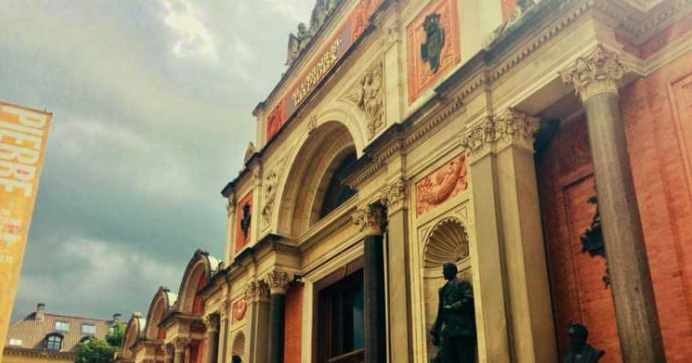
 

Ny Carlsberg Glyptotek


Ny Carlsberg Glyptotek

Heading across the road, we reached the highly recommended Ny Carlsberg Glyptotek. Showcasing the art collection of Carlsberg Breweries’ Carl Jacobsen, it was a refreshing mix of national and international taste.

Admiring its marble steps, high ceilings and gorgeous glass solarium, we explored the gallery’s Ancient Greek, Roman, Egyptian, Etruscan, Danish and French art.

French art of the 19th Century was the highlight of the stop, with superstars such as Van Gogh, Monet and Degas, all within footsteps of each other.

An entire room was dedicated to the painting, sketches and sculpture of Edgar Degas, which focused on racehorses and ballet dancers. A bronze cast of the Little Dancer Aged Fourteen took centre stage; with notes explaining the original was made of wax, textiles and human hair, causing then audiences to label it ‘repulsive’.

Less controversial was the Danish art, with pastoral scenes from scriptures, legends and fishing villages. Here bright colours brought life to the canvases of Danish Golden Age artists such as Abildgaard, Eckersberg and Købke.

 

The National Museum in Copenhagen


The National Museum in Copenhagen

Moving from Danish Golden Age to Danish gold, Mum and I were bedazzled by Viking jewellery and artifacts in The National Museum.  Featuring one of Denmark’s largest collections of antique gold and silver, its highlights included the Tissø ring and the Fæsted hoard.

The Meet the Vikings exhibition signs told how designer Jim Lyngvild worked with museum experts to depict lifelike Viking statues that epitomised the housewife, warrior, berserker, völva and peasant, complete with authentic tattoos and togs.

Switching from ancient to recent history, we entered The Children’s Museum part of The National. Here we found toys through time, including Lego, mechanical structures and a stunning collection of antique dolls’ houses. With dimmed back lighting and illuminated interiors, we admired a world of magic miniature mansions.
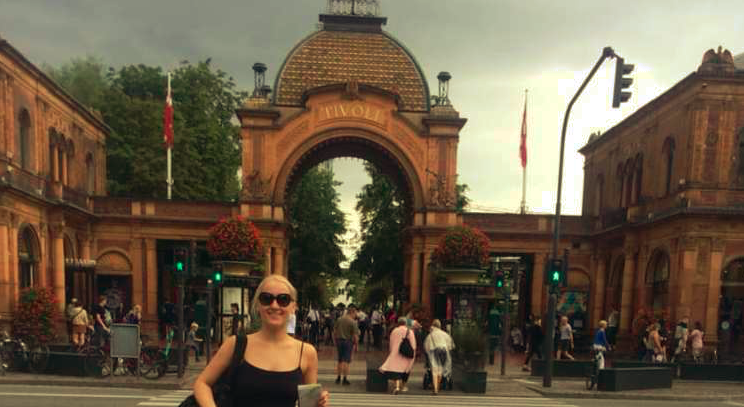
 

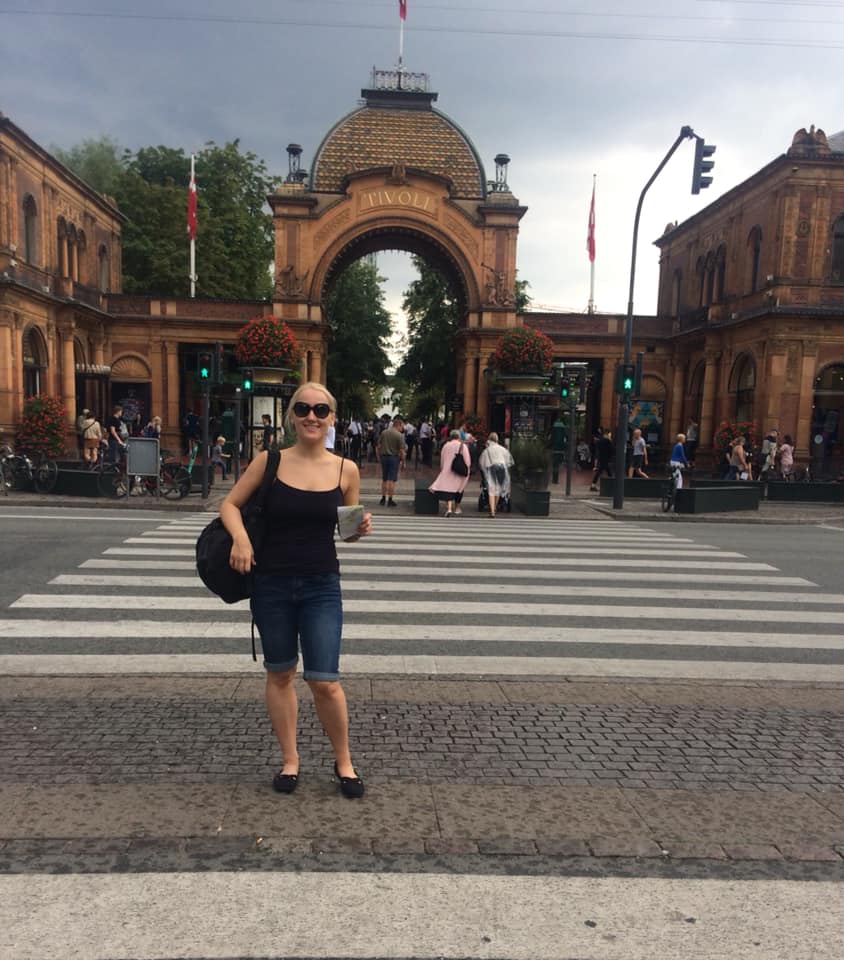
Tivoli, Copenhagen


Tivoli Gardens

Childish delights continued as we headed over to Tivoli Gardens, to discover the 19 Century legacy park that inspired Walt Disney.  With wooden roller coasters, modern rides, manicured gardens, water features, and an Youth Guard (of parading children) there was plenty to see.

Soaking up the ambience, we enjoyed a pint in one of its alfresco cafes, relaying our adventures to my Aunt and Cousin. Refreshed, but with ship curfew calling we choose to try just one ride, the Star Flyer.

Climbing 80 metres high, the Star Flyer swing-carousel provided a visceral view of Copenhagen, perfect for people watching! My Cousin who was scared of heights was not so thrilled, however even she enjoyed the view once coaxed.


Hans Christian Andersen, by Henry Luckow-Nielsen


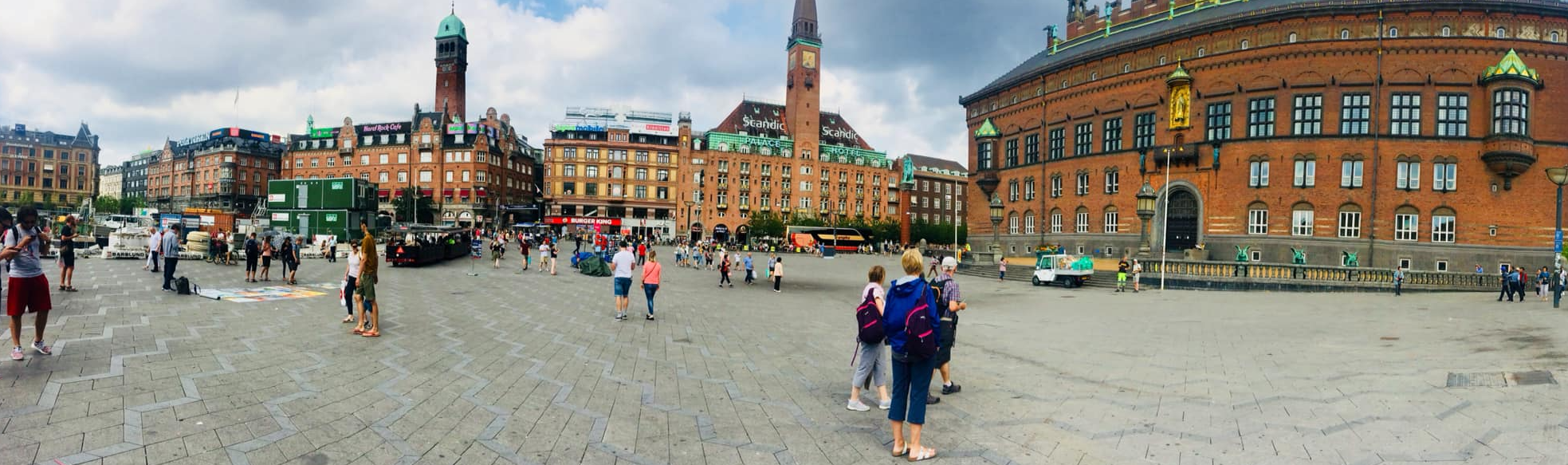
Hot-footing it back to port, we stopped only twice to admire statues. The first was at Copenhagen City Hall Square, where we dodged tourists to pap the statue of author Hans Christian Andersen, by Henry Luckow-Nielsen.

The second stop featured similar jostling as we snapped The Little Mermaid bronze by Edvard Eriksen, at the Langelinie promenade.

Back on board we listed top tips for visiting Copenhagen again: arrive early to beat tourist congestion, be prepared to check bags into lockers at museums, also to pay at museums, to utilise concession discounts, and to never trust a Red Sightseeing Bus!


Day of the Dead

12108915_10153212202403730_2819433939661790486_n

Honouring lives lost and risked for Mexican freedom of Expression is the Mitchell Library Day of the Dead event.

Hosted by The Scottish Writers’ Centre in partnership with Scottish PEN, the event will take place on November 2 -from 5.30pm- in the Glasgow Room.

The free, un-ticketed event will see readings both about the country and from its writers.

Host and writer Jean Rafferty explained: “We’re celebrating the Day of the Dead to honour ‘Absent Friends’ and commemorate the courage of writers, poets, and journalists living and working in Mexico; one of the most dangerous countries in the world for freedom of expression.”

Rafferty has organised the event as part of her role within Scottish PEN.

She explained: “PEN is an international writer’s organisation whose Scottish branch has been gathering for nearly 90 years.

“Scottish PEN supports freedom of expression in every form. For instance, I am chairman at the Writers at Risk society, which supports people who have been threatened for speaking out against their government.”

While the society has paid tribute to Mexican writers before; Rafferty explained that this event has particular significance.

She said: “This year’s Day of the Dead event will be particularly poignant, as we have Mexican writer Lydia Cacho as an honorary Scottish PEN member.”

Rafferty added: “As well as being a great writer, Lydia runs rescue centres for women that have suffered sexual and physical abuse. Lydia’s work will be read at the event.”

The event will also feature readings from Anabel Hernandez, whose novel Narcoland exposes Mexican drug cartel, an exposure which has seen threats on her life.

Rafferty said: “As well as established writers, we will also hear from Mexican student, Bernardo Otaola Valdes, who has written a very moving piece about his plan to go back home and study journalism. Studying journalism in a country like Mexico is dangerous; and shows that Bernardo fits the night’s theme of Courageous Writers”.

She added: “As well as Bernardo’s reading there will be a reading from a Mexican poet, Javier Sicilia’s work. Javier lost his son to the violence, and wishes to share his own final verses.”

Following this there will be an ‘open mic’ section of the night. Here writers can take the stand and respond to the theme: ‘Mexico or Courage in Speaking Out.’

Writers wishing to participate in the open mic section can contact Rafferty via email.

The organiser explained: “The open mic section has seen applications from various people, including Portuguese film writer; Carla Novi, who has made a documentary Desaparecidos, about the disappeared Mexican students.”

Rafferty concluded: “Scottish PEN not only cares about the writers whose lives are endangered in Mexico, but the people all over the country, whose experiences are expressed in the writing.

“Freedom of expression is a basic human right. It is important to support writers because they represent everyone’s struggle.”

Lisbon

L cover

With our hearts set on a music festival, seven friends and I booked a week in July to Lisbon. Liberdade was our area of choice for its proximity to the venue; but there was a catch, it was ‘save- a- year-ahead’ expensive.

Being Portugal-virgins we had unwittingly booked accommodation in its premier shopping district. So bedraggled from the plane, we did the walk of shame past Gucci to reach our hotel foyer.

Staying

Since none of the group was shopaholics, our motive for choosing NH Lisboa Liberdade was simple, it had a pool. The thought of a city break in 30 degrees heat was too much for my Scottish soul so, like a prima donna, I pushed for a pool.

Having assessed the competition, we decided that Lisboa Liberdade had not only the best pool (for our budget) but best balconies. However, we soon realised not all balconies were created equal (two of our crew hit jackpot with room 803’s huge terrace).

Contending with balcony envy, the hotel staff consoled us with travel advice and charm in excellent English.

This charm extended to the rooms, which had spacious interiors, comfy beds, decent bathrooms and mini bars.

Mini bar prices were enough to make us shudder, but the hotel’s surrounding shops had surprisingly cheap fare to substitute.

L dining

Dining

Cheap prices continued in Lisbon’s pubs and bistros. With a beer around three euros, bottles of wine for ten, and cocktails for five; Lisbon’s bars were a joy.

To digest both drinks and cityscape we headed to Bairro Alto (an alfresco area). On Bairro Alto’s plaza we chose the further of two open-air bars, to enjoy sugar cane cocktails while listening to buskers. The music perfectly complimented the plaza’s fountain and vantage point.

Across the road from the plaza we found The Decadent a bistro that, despite its name, was a reasonably priced. Its earthy interior provided respite, along with tasty cornbread, cocktails and seafood.

Seafood also stole the show at Pinóquio, a restaurant across the road from Restauradores Metro station. With packed tables, Portuguese dialogue, and tanks full of crabs it provided perfect taste of local life.

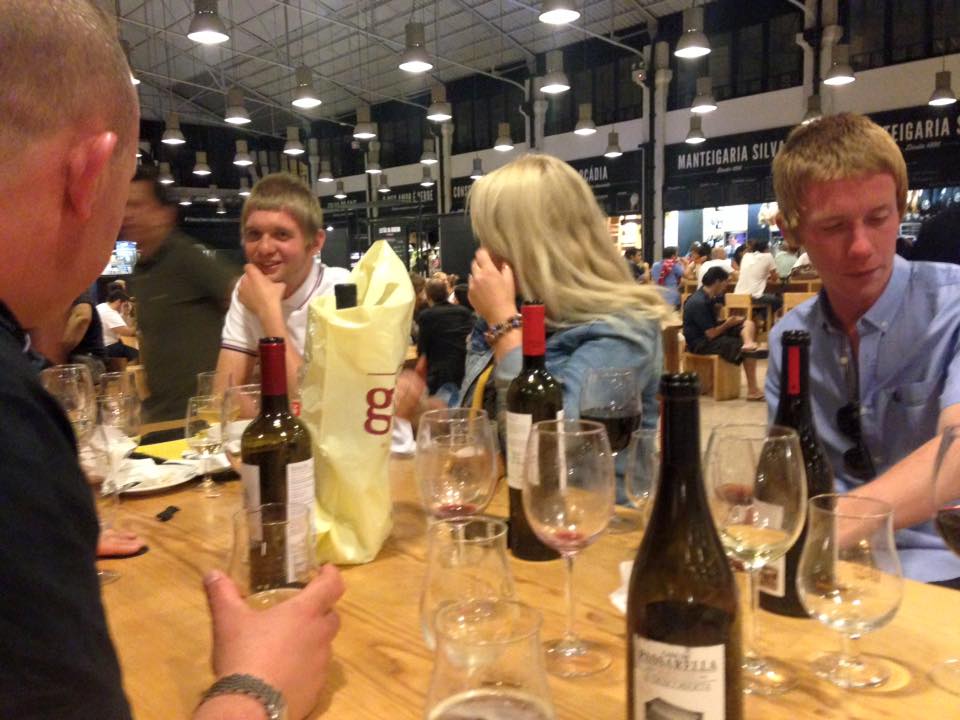
Another local treat surfaced near Cais do Sodré Metro, where we tracked down Mercado da Ribeira: Lisbon’s fab food fete. Here deli, drinks and dining units offer visitors a choice of global cuisine at cafeteria tables.

With a huge range of stalls as well as desert, wine and chocolate shops, we enjoyed post- dinner shopping.

L Music

Music

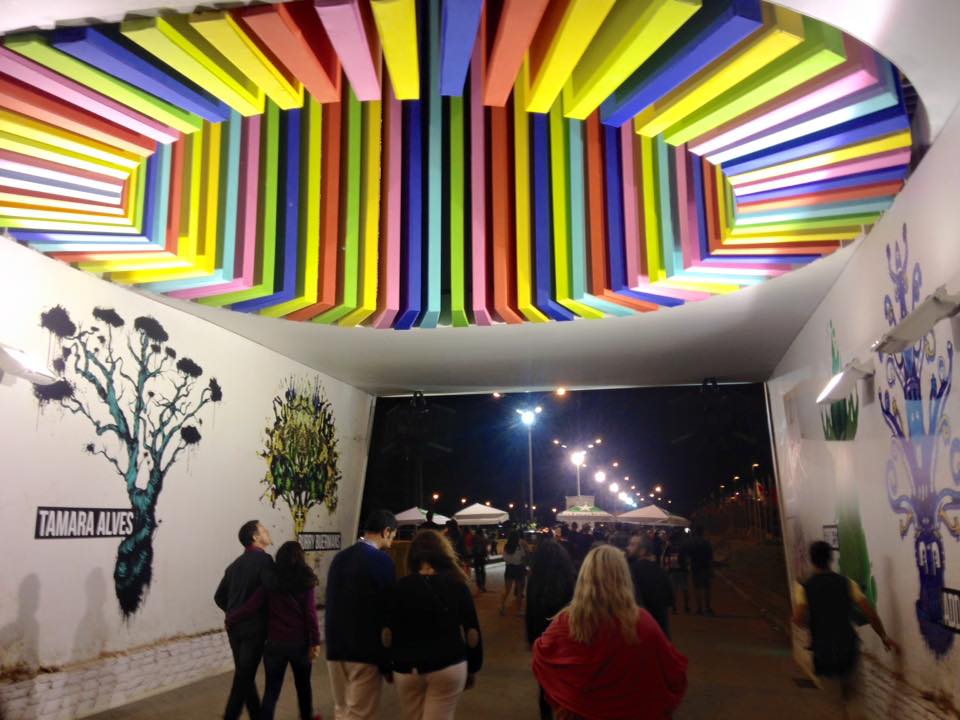
High spirits continued at Nos Alive music festival, which filled three of our seven nights in Lisbon. Situated in Passeio Marítimo de Algés (a 15 minute drive from Liberdade) the festival had four stages, indoor toilets, food, bars and walking beer tenders.

With headline acts including: The Prodigy, Muse and Mumford and Sons, Nos Alive 15 tickets were surprisingly cheap (costing £90 for all three nights). Each night ran until 3am, providing miles better value than a UK festival.

L Traveling

Travel

The only disadvantages of the festival closing at 3am was fighting competition for a taxi home; and suffering a post- midnight fare hike.

Aside from post-festival fares, Lisbon’s taxis were by large cheaper than those of the UK. As were its trams, buses and trains. While only the taxi’s had working air conditioning, each mode of transport had its appeal.

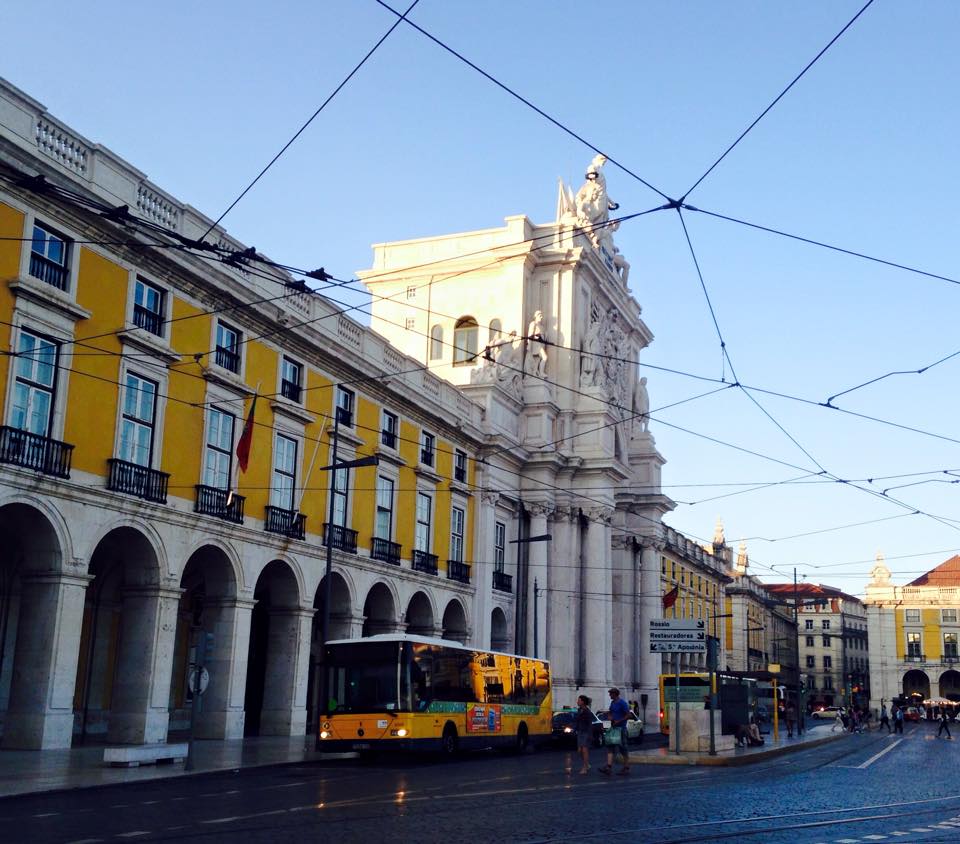
Aero-buses acted as punctual transfers from Lisbon Airport to the districts, while trams offered a vintage view of Lisbon’s ‘seven hills’. For travel outside of Lisbon centre, the trains offered quick and spacious speed.

L Art appreciating

Art appreciating

To escape the city, my boyfriend and I boarded a train to Sintra, Lisbon’s neighboring old town.

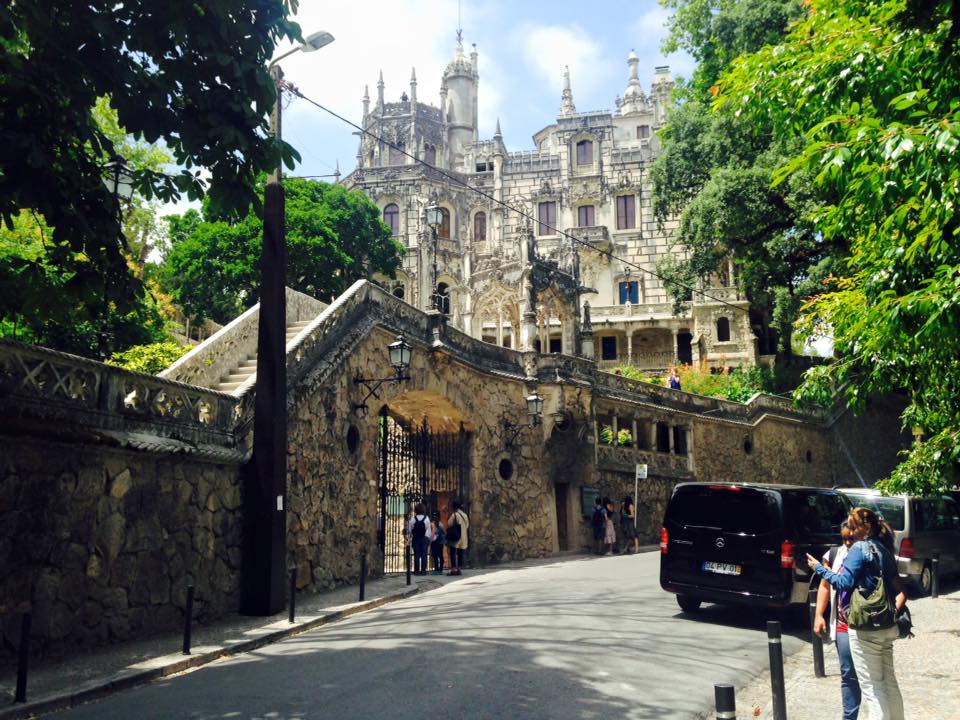
With regal buildings, museums and cliffs, the area had plenty to see. But we bee-lined to the Quinta da Regaleira, a World Heritage Site complete with chapel, underground tunnels, grotto and Gothic mansion. It really was the stuff of dreams.

The mansion house offered Portuguese history briefs, as well as drawings from the architect’s restoration. With multi-coloured tiles, intricate wooden paneling and fresco painting, signs explained that António Augusto Carvalho Monteiro (Monteiro the Millionaire) bolstered the manor’s splendor, as testament  to Portugal’s golden age.

After two hours of exploring my boyfriend and I resigned ourselves to the journey home, but not before scouring Sintra village’s crafts and wine shops.

As the trip drew to an end the group reflected on all we had done and all that we would have done, had we booked more time. Turns out a week isn’t long enough to see all Lisbon has to offer.

Galoshans Festival

GALOSHANS PIC

There’s a new UK arts festival and it’s called the Galoshans. With the Scots name for ‘guising’ it’s unsurprisingly scheduled North of the border. The exact location is however, more surprising. Unlike most Scottish festivals, it isn’t going to Glasgow or Edinburgh, rather Inverclyde.

Bringing the festival to Inverclyde is Scottish charity UZ Arts. The group works to commission, produce and distribute art in all its forms.

UZ Arts Executive producer, Jo McLean, said: “The Community Trust had been organising events as part of the Inverclyde Space programme and, in 2014, they spoke to UZ Arts about growing a festival.

“The Galoshans was an idea that the Community Trust had introduced to us. They told us it was a traditional folk play about George and the dragon. The original custom was to perform the play in spring;  but Inverclyde adapted it to take place around Halloween [alongside guising]. ”

Now UZ Arts are expanding the custom into an arts festival. The festival will still nclude the Galoshans play, as well as music, performances, and installations throughout Inverclyde.

Galoshans will run from 30 October to 1 November, with a complimentary fringe programme that ends in  Inverclyde’s firework display (November 7).

As well as this, the festival will launch with a symposium entitled Moving Out, which pushes artists and audiences outside of their comfort zones.

Using the European network IN SITU, UZ Arts will bring artists across seas to engage with the people of Inverclyde. The artists will create work outside conventional venues, reimagining iconic landmarks.

McLean said: “UZ Arts are part of IN SITU, a 19 country network, which funds international arts projects, and enables collaberations. IN SITU artists will be coming to the Galoshans festival to showcase their work.”

As well as artists, the public can get involved with the Galoshans.

McLean explained: “UZ Arts will be looking for volunteers to assist at the festival. We will also be running internships and opportunities, especially aimed at young jobseekers.

“Whenever UZ Arts run a festival we always try to make it benefit the local community.”

All visitors will benefit from the Galoshan’s reasonably priced and free events (ticket details to be confirmed).

McLean concluded: “We hope the festival will celebrate the international community, while reflecting the Inverclyde’s local pride.”

Galoshans may continue to be an annual source of pride, as UZ Arts have provisionally planned to roll it out in future years.

To get involved with the 2015 festival, visit the UZ Arts Website or email the team.

Travelogue

Travelouge 3

If you enjoy Nordic fiction, then why not explore the landscape through visual art? This voyage can be taken in Glasgow’s Briggait (studio) through Clive A Brandon’s Travelogue exhibition (running April 27 to June 5).

Travelogue showcases Brandon’s work from residencies in Norway, Scotland, Sweden and Iceland.

He explained: “I had visited Scandinavia several times before Travelogue and had a yearning to explore these countries more deeply. I loved the atmosphere and wanted to experience what it was like to live and work there, even if only for short time.”

In April 2013 Brandon left for a 20 month journey through Northern Europe, completing residencies that examined natural and manufactured elements of remote places.

He said: “I wanted to see how my work, which had become very ‘urban’, would develop in natural landscapes.”

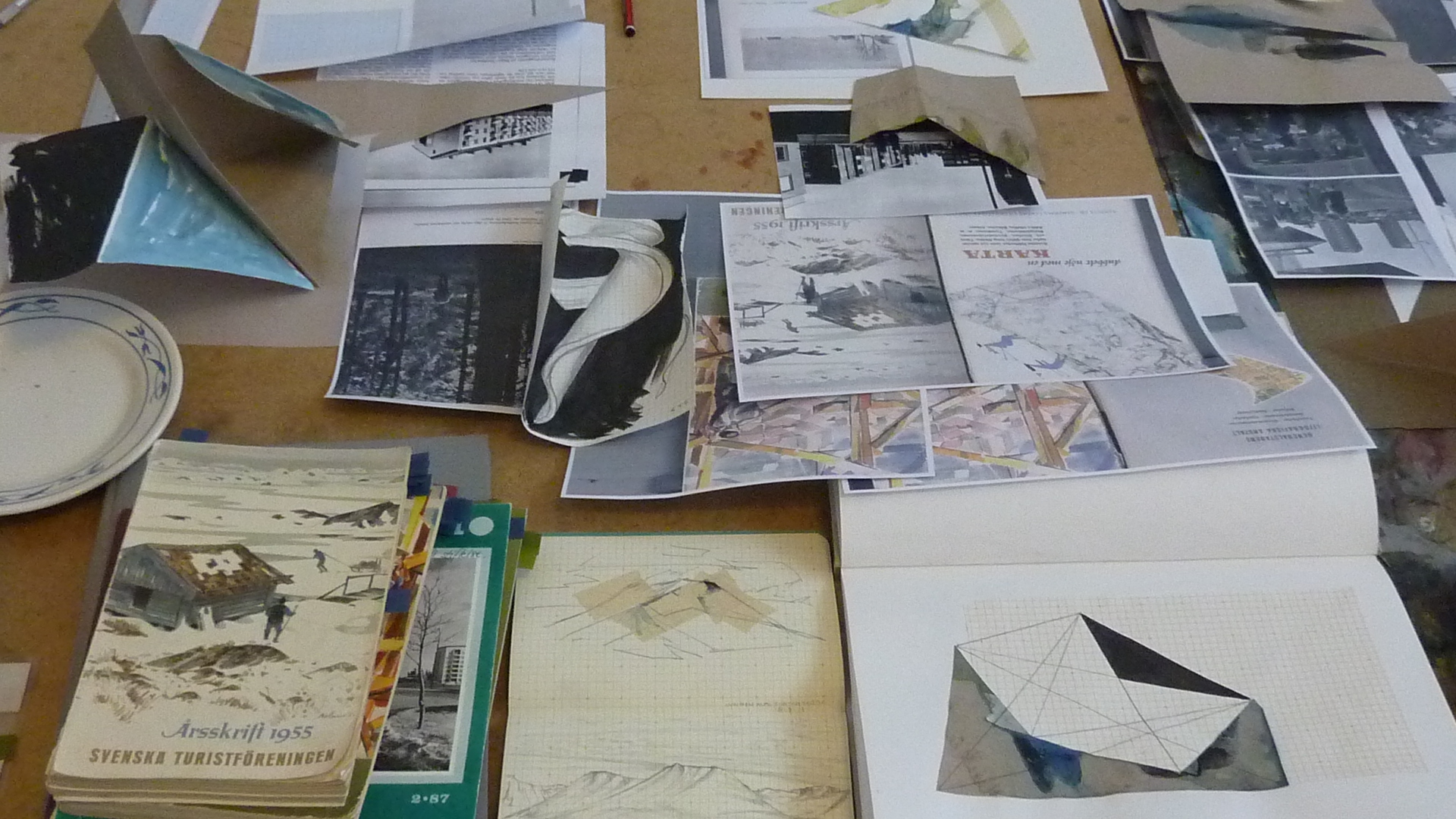
Brandon explored these landscapes through excursions; making photos, sketches and watercolours that he combined with recycled materials and local information. These became a bricolage of material.

Brandon recalled: “When travelling I couldn’t carry very much, so I worked out a basic art kit with a watercolour travel set, acrylic paint, brushes, canvas, watercolour pads, moleskin sketchbooks, scissors, pens/pencils and graph paper. I made a rule that this all had to fit into an A3 folder and pencil case.”

On arrival at each residency, Brandon scoured the area for base materials such as cardboard. This often involved rummaging through recycling bins or asking strangers for shoe boxes.

He said: “I did get some strange looks, but if anyone asked what I was doing I just told them I was an artist, which normally excuses all sorts of behaviour.”

At the end of each residency Brandon would package most of his work and post it back home.

He added: “I left different things at each place; sometimes pieces just wouldn’t fit in postage, other times I donated paintings or sketches to my hosts.”

Meeting interesting people was – Brandon said – one of the highlights of his trip. He listed other highlights as: challenging his work patterns, having to be resourceful, seeing amazing countries and living like a local.

However living like a local was not always easy.

Brandon explained: “Before Travelogue I had never done any residencies; so arriving in another country without familiar studios, friends or materials was hard.

“The first day of each residency was a bit strange; I would arrive to an empty room and wonder how I was going to make something from nothing.

“My first actions were normally to get some ideas up on the walls, rearrange the space and make it feel like mine.”

After setting up, Brandon absorbed his environments by collecting materials and making sketches, this – he said – helped him to relax and built towards his final projects.

He added: “I’m really happy with the body of work I produced, which is why I was keen to collectively show it when I returned.”

Before his travels Brandon lived and worked in England, having studied an MA at Wimbledon and BA at Leicester De Montfort.

Upon returning to the UK Brandon started touring his exhibition.

He said: “I found that travelling can be a brilliant experience that can change your work forever.

“To any artist considering working abroad I would say: plan ahead, set goals (but have an open mind and avoid being too prescribed) then get to know the local people and arts scenes.”

International residency opportunities can be found at Res artists’, Transartists’ and WASPS studios’ websites.

WASPS studios hold special resonance with Brandon, as they are hosting his Travelogue exhibition.

Brandon said: “This is my first Scottish show and first solo show in the UK, so it’s a very exciting time.

“I hope people will get a lot out of Travelogue; it is a large body of work that allows viewers to immerse themselves in the sense of place. It shows how palettes change with the seasons, and landscapes shift from rolling hills, to forests to volcanic areas.”

Travelogue dates and locations can be found on Brandon’s website.

Gdańsk

gdask start

One of Europe’s best kept secrets is Gdańsk, Poland’s principle sea port. Bursting with culture and not stag-do in sight; it is literally a breath of fresh air.

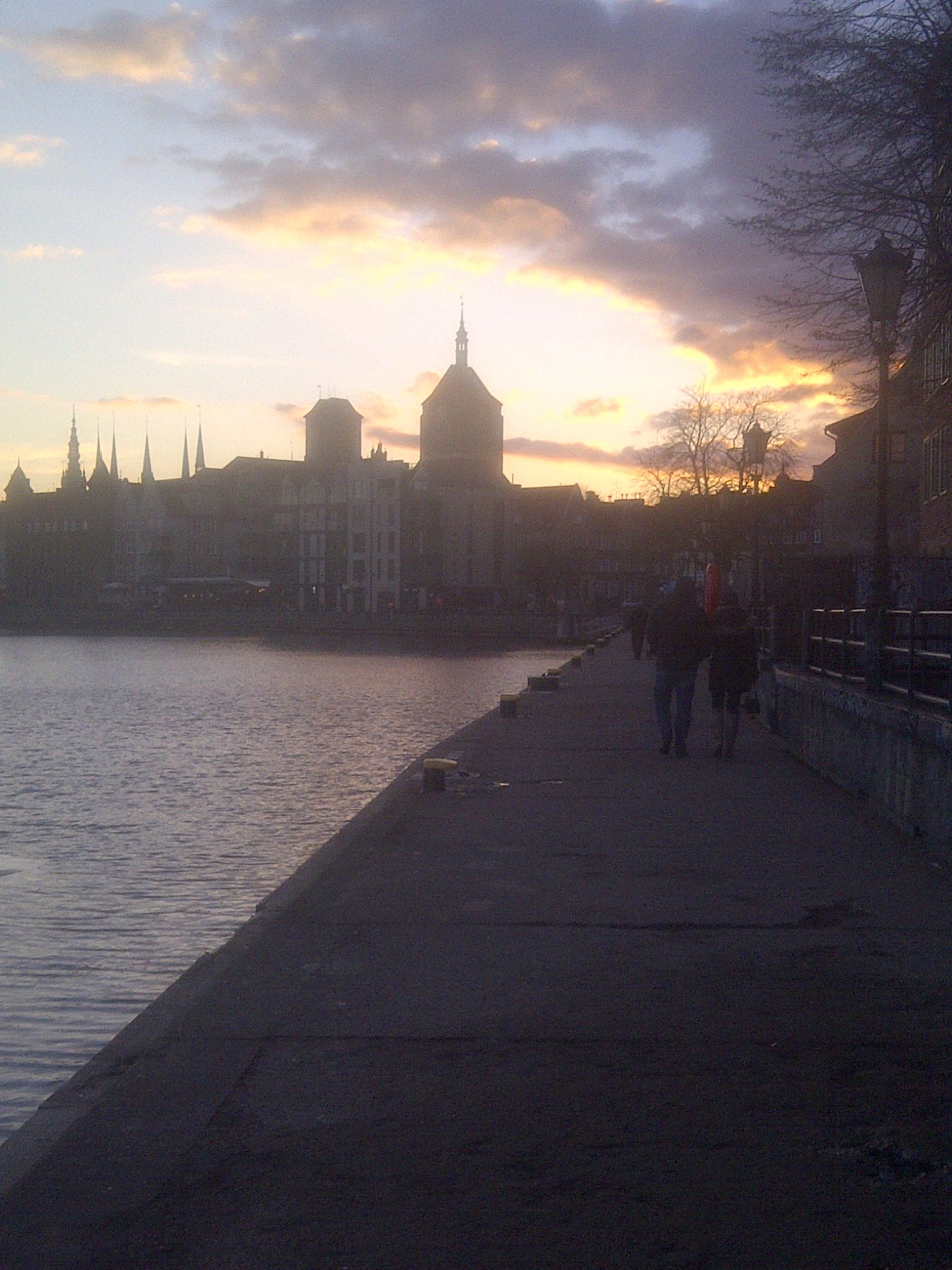
On a frozen February 2014 my mum and I visited my Dad (a marine engineer) as he worked in Gdańsk. We stayed in an apartment with views of the river and echoes of clock chimes.

These chimes led us to beautiful buildings, eclectic art and cheap cuisine.

So here’s my recommendation for finding the best of the city.

gdansk town hall

Art appreciating

To cast your eye over Gdańsk’s heritage there is no better place than the Main Town Hall (Ratusz Głównego Miasta). This public building (restored from WWII bombing) is part art gallery, part domestic museum.

After crossing its threshold a multi lingual guidebook explains its Gothic Renaissance paintings, sculptures and  wooden replica ships.

This mix of high and low brow art continues as you move upstairs, into an antiquated household, complete with vintage clothes and kitchen items.

Finally a photo exhibition of Gdańsk, pre and post WWII leads you to the exit.

gdansk amber

Old and new meet again in the Amber Museum (Muzeum Bursztynu) as contemporary jewellery showcases with historical. Here visitors can see amber finely carved into items, from around the globe.

Muzeum Bursztynu documents Gdańsk’s connection to the material, sourced in Baltic countries and circulated through its hub of merchants. This attraction is a must see for anyone who appreciates sculpture.


gd neptune

Traveling

Aesthetic treats are not confined to galleries; Gdańsk’s streets are awash art and architecture that deserves a walking tour. Moving through them, visitors can’t miss Neptune’s Fountain (Fontanna Neptuna) an icon of the Greek sea god, holding his trident poised.

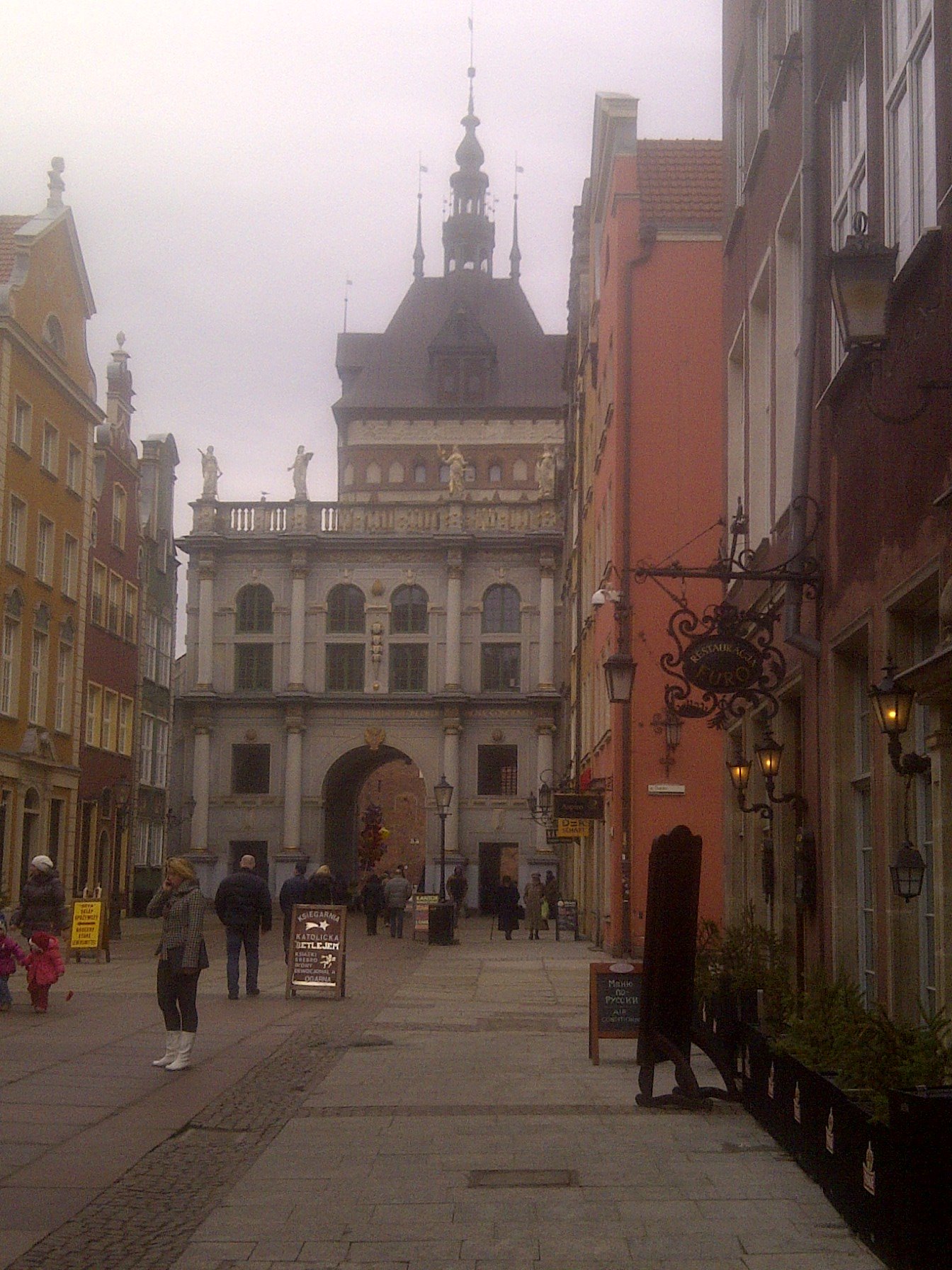
Neptune is situated in the heart of the ‘Long Market’ a bustling street of cafes and stalls, flanked by the Golden Gate on one end and the Green Gate at the other. Like most of Gdańsk architecture these Gates have Mannerist and Dutch influence that transports you back to a grander time.

Alternativly, for a working class tour, take the ferry across the river to The Crane. One of Gdańsk’s iconic symbols, the Crane was once used to transfer cargoes, erect ship masts and defend the city gates.

Defending the city from ideological attack was the Solidarity (socialist) movement. This movement, which saw shipyard workers fight for better living conditions, is recalled in the Maritime Museum (just next to the Crane).

While these attractions are a wandering distance from the town centre, further ones can be reached via the town’s metro. With cheap tickets, regular trains and colour co-ordinated maps, the lines are easy to navigate.

gdansk pyrabar

Dining

Just as easy to navigate are Gdańsk’s eateries; with cafes and bars on every street, all cheaper than their UK counterparts.

The best bargain my mum and I had was at the service of the Pyra Bar, on Garbary Road. This Ikea chic diner transformed potatoes into masterpieces. Its portions were big and included saucy casseroles, potato pancakes and stews. We ordered two casseroles and three pints of beer, getting change from 56 złotych (a tenner).

Then, for fancier fare, we headed to Goldwasser, a bistro overlooking the river. With outdoor seating, lanterns and a gothic interior, it was the perfect place to fine dine. Named after the famous liqueur (containing gold flakes) the aperitif was the perfect end to a seafood chowder starter and steak main. And if all the rich food is too much, you can walk it off – as we did – along the promenade.

gda l

Staying

Directly across the river from Goldwasser was my Dad’s working accommodation, where my mum and I stayed during our trip. However, if you stay on the Goldwasser side of town, and walk into its centre, there is a horde of accommodation to choose from, ranging from hostels to hotels.

With so much to see, eat and drink, Gdańsk really does spoil its visitors.

Paris

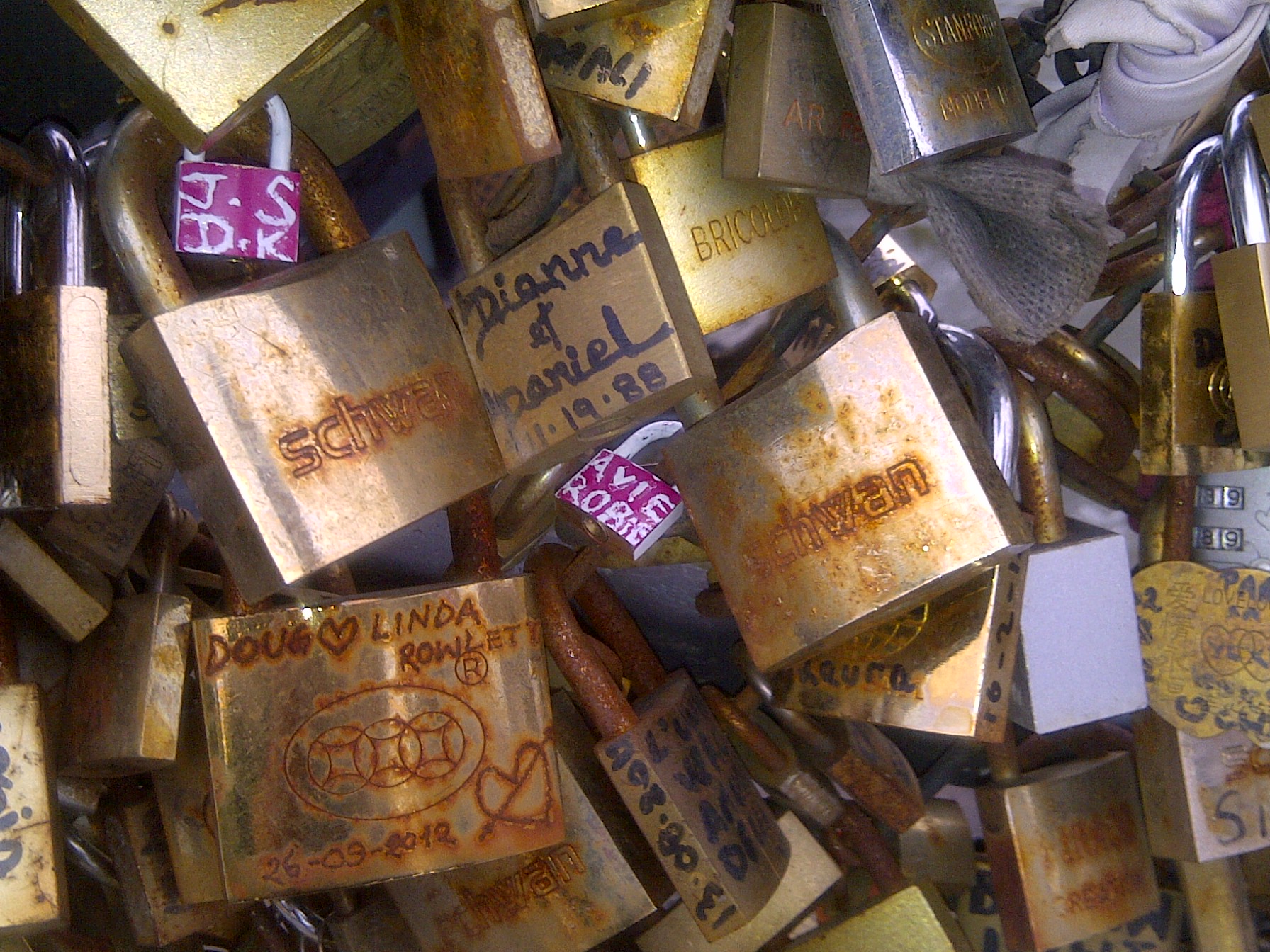
our padlocks on lovers' bridge Paris is known as the city of love; particularly apt if your love is art. In 2013 I took Parisian mini break with my mum (an ex travel lecturer) and we followed my artist twin’s recommendations of attractions. The result was a whirlwind tour of culture, cuisine and carry-on (my mum got berated for touching a sculpture in the Pompidou; hilarious since she is usually the one doing the berating)! We visited famous and hidden sites; learning that a week wasn’t enough to see all we wanted. Some venues were so huge it was hard to know where to start. So here are my recommendations for the pinnacle of Paris.

Art appreciating

Like most tourists I was dying to visit the Louvre, but nothing prepared me for the size and bustle of the place. After locating and joining Mona Lisa’s paparazzi my mum and I hesitated; what to do next? Luckily we noticed Napoleon’s apartments on the map. That’s right, his whole apartments’ interiors ripped out and relocated in the Louvre! They were stunning; a luscious look at how the other half lived. If you want romance in Paris skip the Eiffel Tower (cold queues) and visit this.

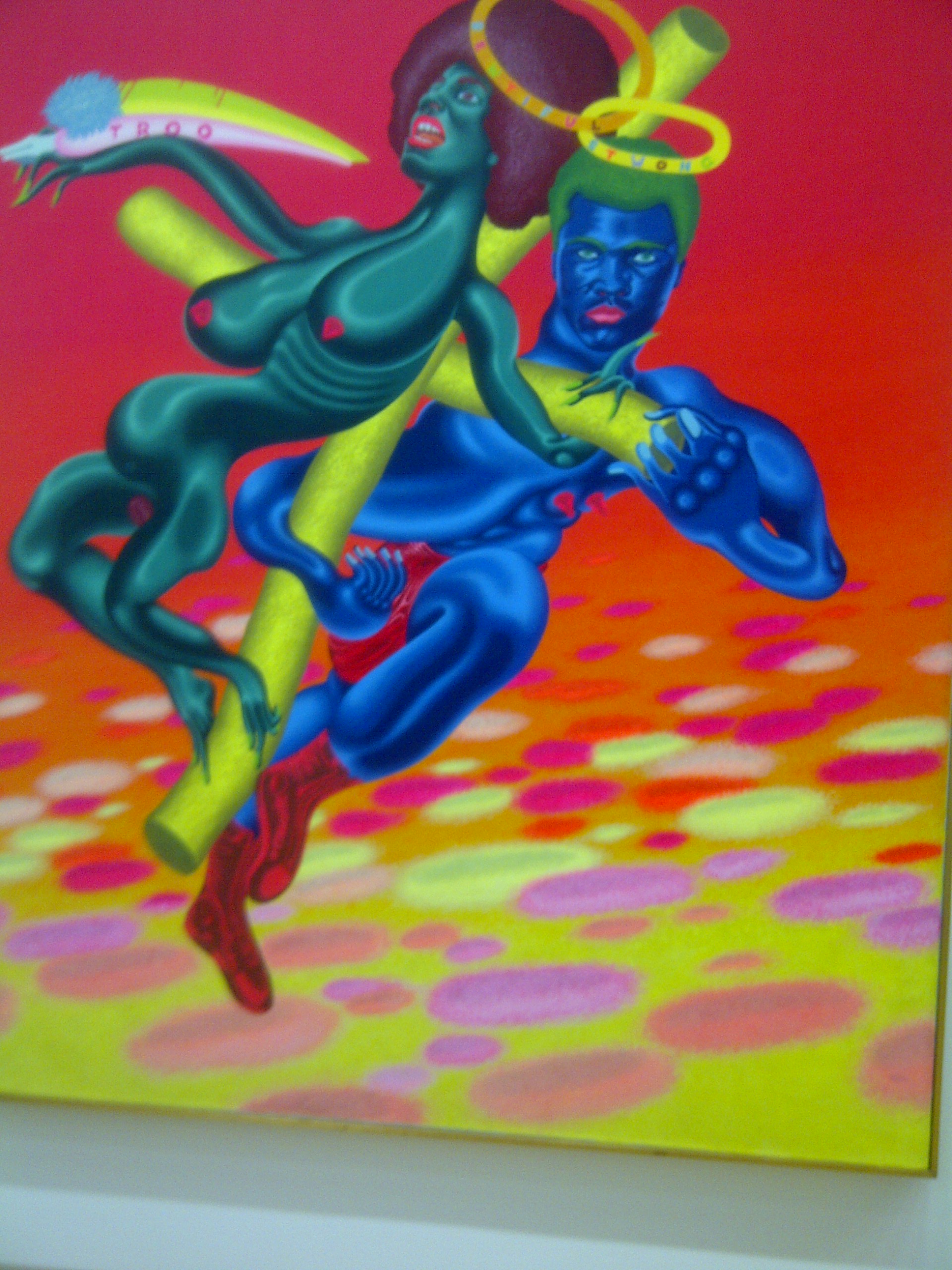
Napoleon raised his head again at the Pompidou Centre; where Picasso’s incomplete portrait of him hung. The Post Modern section beckoned me from the many floors of this gallery. If – like me – you enjoy aesthetically pleasing art then this is the section for you. My favourite pieces included one of a burning book, a Sgt Pepper’s style Adam and Eve and a psychedelic black activist’s portrait (pictured below) . For the full experience we rode the building’s transparent escalator and enjoyed the view from its roof.

black activist painting at pompidou

Traveling

Parisian streets assault the senses, so unless you really have to don’t waste them on the metro. Walking will give you a unique view of the city’s street art and architecture.

Bus tours are another great option, particularly if you want to see the nocturnal illuminations. We used the Big Bus Tour; enjoying its head-set commentary and chilled approach. For the best experience go from Spring – Winter, when it is darker earlier, and wrap up against the cold.

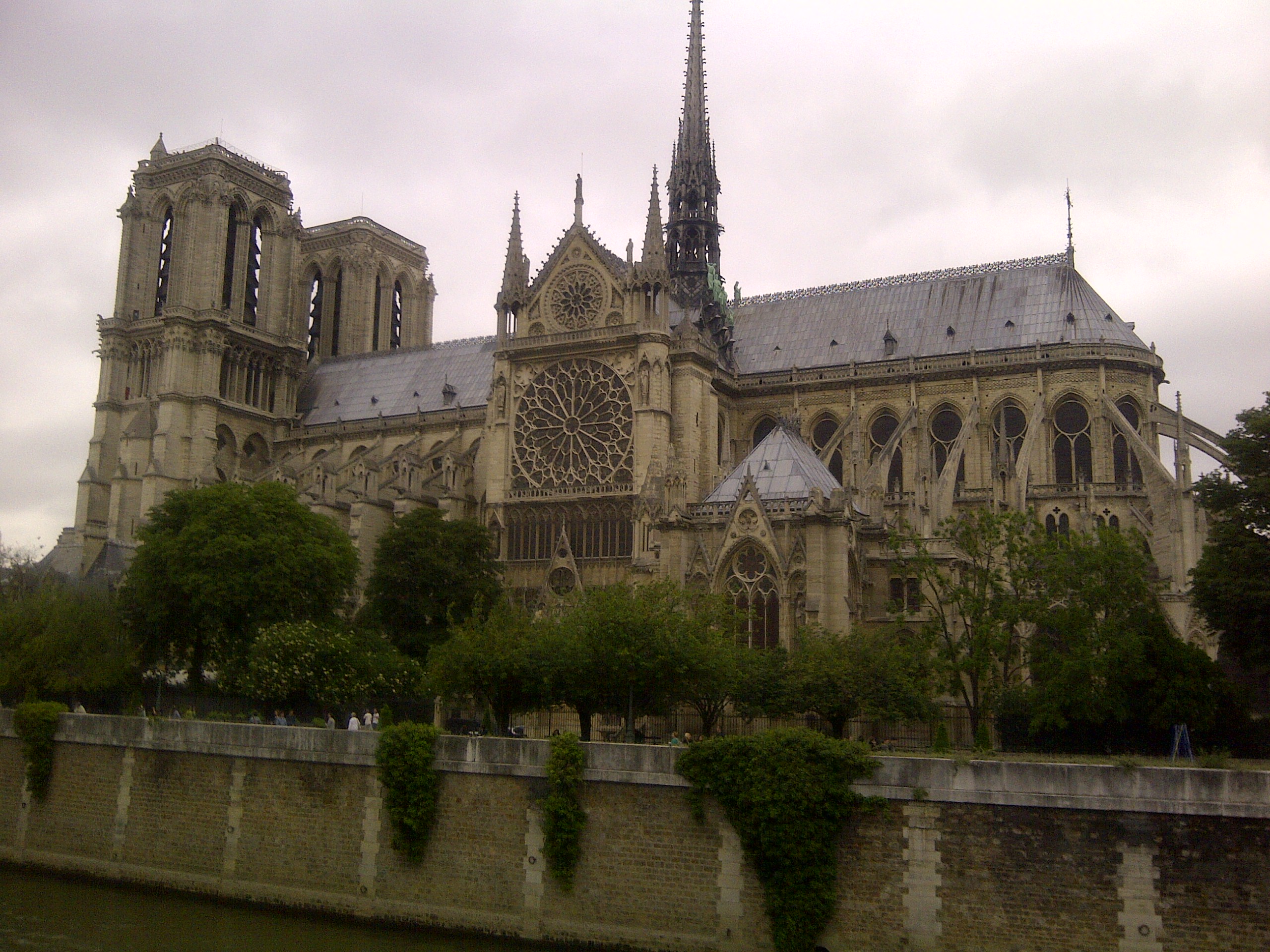
Daytime sights are best taken by canal, with tour boats boarding near the Eiffel Tower and running the length of the Seine. This is the perfect way to relax, away from the hustle of the streets. Boat tours also give an uninterrupted view of Notre Damn and the Louvre (perfect for photo opportunities). We used Bateaux Parisiens tours, complete with open plan seating and live guide commentary.

Notre dame

Dining

Finding good food at reasonable prices can be a challenge in Paris. However, armed with luck (and ex-pat reviews) we found some gems. Not far from the Scare Coeur, Le Relais Gascon is the perfect place for rustic French food. With pastoral scenes painted on its interior and wooden shuttered windows, this rue des Abbesses venue is charming. I would recommend its Tartiflette (potato, cheese and bacon tart).

Near the Moulin Rouge, Le Dit Vin is a hidden gem. Nestled on a street corner, this petite bistro offers tasty wine, seafood and home baking. Its specials board, friendly staff and open plan seating make it a hub of local life. When dining here I would recommend taking a phrase book and attempting some French; as the waitresses really appreciated it.

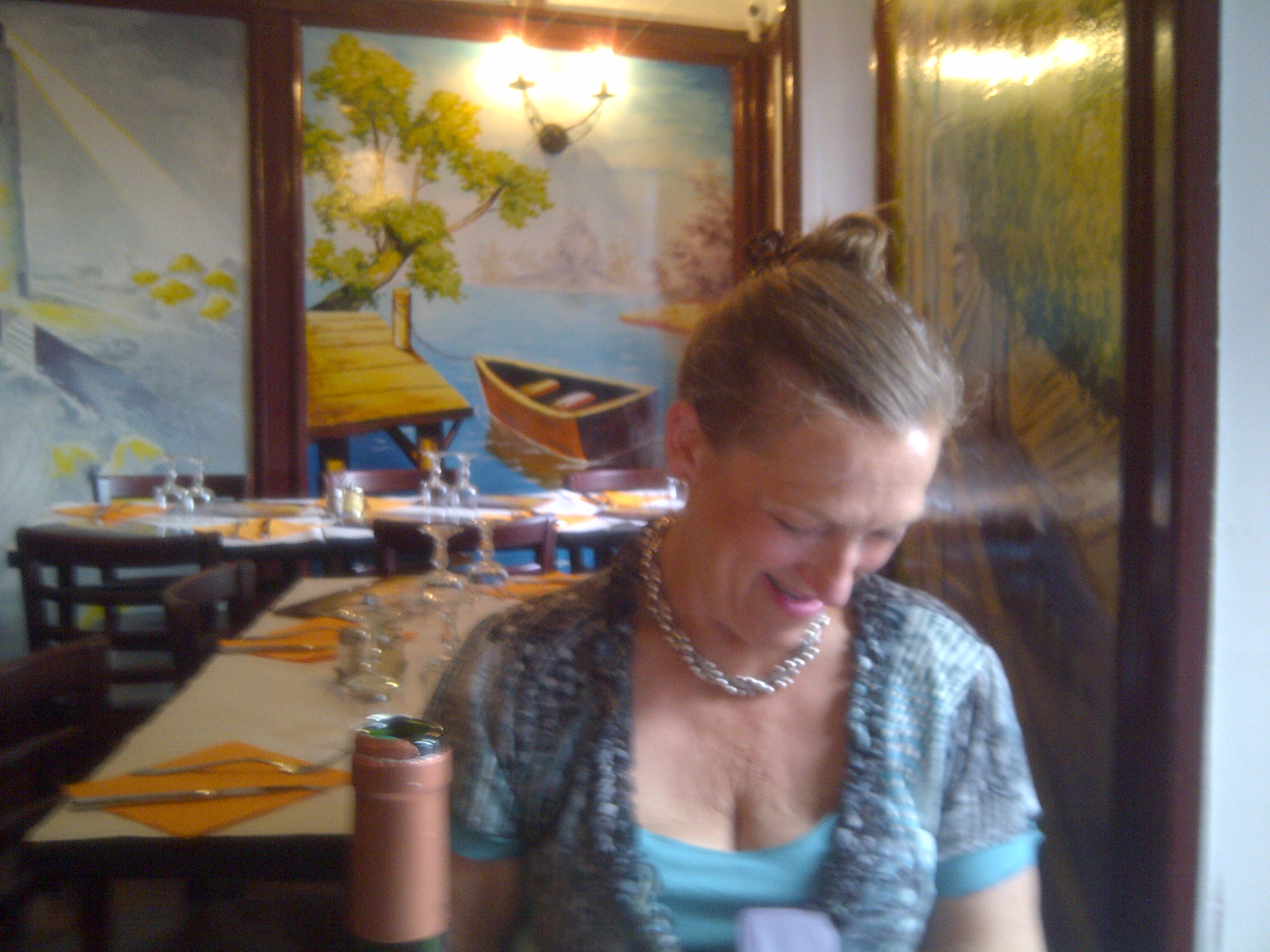
Mum at Le Relais Gascon

Staying

Le Dit Vin was just across the road from our hotel, The Rudyard Kipling. As the name suggests this venue had Post Colonial themed décor, with vintage sofas and books in the lounge. The breakfast room had an impressive cave appearance, with stone walls and chandeliers. Its continental fare boasted prosciutto ham, brie and Nutella among other items. Although the hotel was compact we managed to catch our breath from the bedroom’s Juliet style windows. This also provided a great view of the street (perfect for people watching). I would recommend this hotel for its comfort and its proximity to amenities (shops, bistros and metro).

the cave dining room (hotel) This is just a snippet of our trip to Paris; why not go and see all it has to offer.

Staycations

elgin

January is a trying time of year, with many of us facing little money or annual leave left after Christmas. Team this with seasonal hibernation and you have the perfect recipe for cabin fever. How can this slump be overcome? A staycation.

A staycation can be any length of domestic holiday, from minibreak to camping excursion. It may not have the sun of a foreign trip, but with less travel time you can up and go spontaneously. This spontaneity won’t then be ruined by flight delays and hours spent in an airport.

But, I hear you say, ‘British accommodation is so expensive, I could get a package holiday with this money’. Compared to package hotels UK venues are pricier, but with good reason, our minimum wage is higher than that of many countries.

So while you enjoy a UK break you can bask in the virtue of supporting fair pay, local industry and carbon – reduction (from not flying).

Still not sold? Well let me tell you about some great Scottish staycations I have had.

St Andrews

A beach break led me to Kingsbarns in St Andrews. This picturesque town was the scene of a group camping trip, where eight of us pitched up on white sands. Camping gear, food and drink aside, it was free of charge.

My friend’s past experience led us to a perfect spot with a free car park, public toilets and a quiet strip of beach.

The good weather held out all night, so we enjoyed a BBQ, games and campfire before the rain started the next morning. Word of advice; this trip is best saved for summer.

Dunfermline

Another beach break led my boyfriend and I to Charleston, a seaside town minutes from Dunfermline. We took advantage of a daily deal site and got two nights in The Elgin House Hotel, with wine and chocolates for £90. The hotel provided comfy – if dated – accommodation but its bar, garden and seaside view more than compensated.

The next pleasant surprise came in Dunfermline’s town centre. Trip adviser led us to a beautiful restaurant called Ciao Italia with mood lighting, chic décor and gorgeous food. Once full we went to PJ Malones rock bar and enjoyed some live music. The variety and quality of nightlife was amazing; a real hidden gem.

The next day we blew away our hangovers with walks on beach and through the dramatic Carnegie Park.

Drimsynie

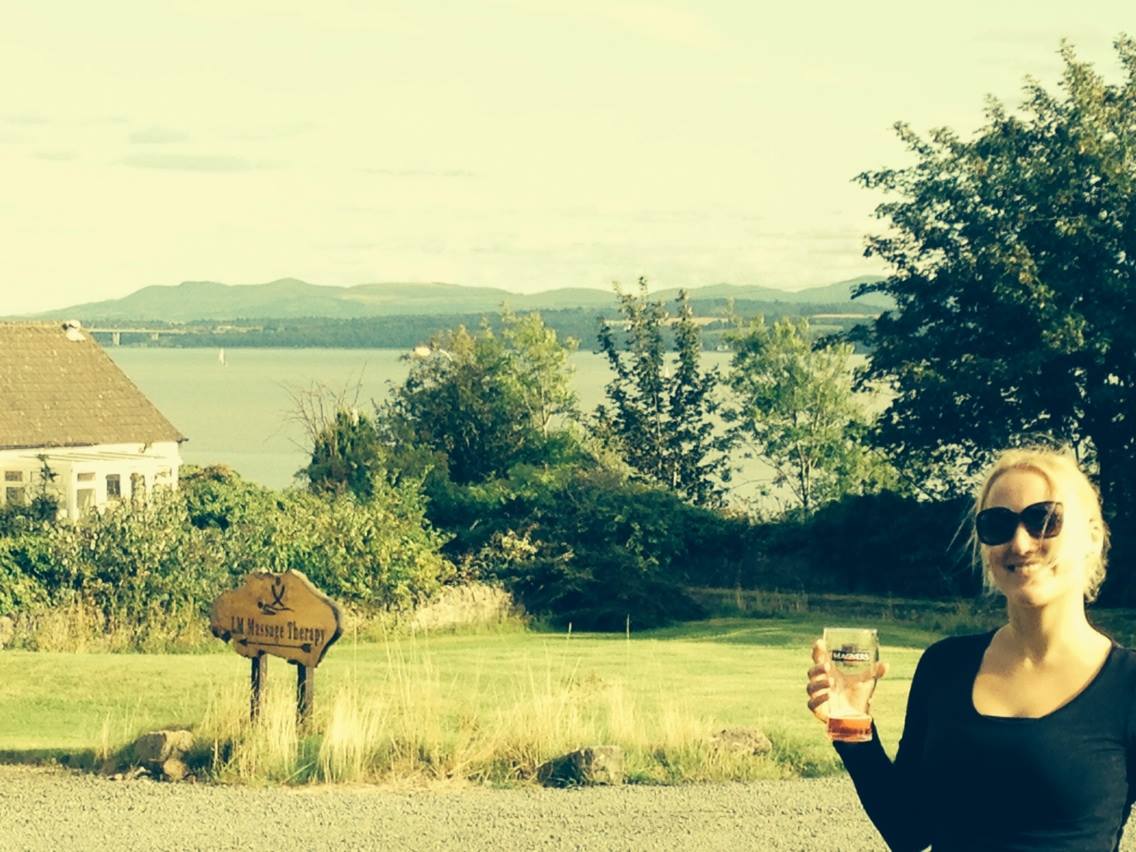
Dramatic views were also had at my favourite staycation: Drimsynie holiday village. This gorgeous Highland retreat features log cabins, outdoor activities, a spa, pub, restaurants and walkways. Prices start at around £200 a weekend (for a two bedroom cabin) but splurging could upgrade you to a hot tub lodge.

The resort hosted my Auntie and Uncles’ Golden wedding celebrations and our extended family all had a ball. My cousin brought her dogs and they joined us for BBQs on the porch and long walks. After the communal fun, I chilled with a massage and swim in the spa.

With a perfect mix of private and public space this staycation would be great for couples or families.

If these tales don’t have your feet itching what will?