
Summer Movies at Loch Lomond Shores

Summer Movies


Nothing says summer like open- air cinema and that’s what is coming to Loch Lomond shores this July 2 -3.

Organised by the events arm of alfresco caterers Firedog; the Summer Movies will show two days of free family-films, on the big screen.

Firedog Events partner Jonathan Stipanovsky explained: “We are going to have a 60m screen – one of the biggest in the UK – pulled down onto the beach. The top half of the beach will host a 18 by 6 meter bar tent, cornered off with white picket fencing, leading down to a deck chaired area by the screen.”

Launching at 10am Saturday with cartoons; Summer Movies will continue with Finding Nemo at noon, Jamanji at 2pm, Back to the Future at 5pm and Jurassic Park at7.30pm.

These box office classics were chosen so that families could enjoy the films without loosing the plot, should they stop for a break.

Stipanovsky said: “We choose films that were good action films that everyone has seen and loved. The idea is that people can arrive at any point of the film, sit with some food and drink and enjoy their favourite bits.”

Easy viewing continues on Sunday with another 10am cartoon start; followed by Toy Story at noon, The Goonies at 2.30pm, Dirty Dancing at 5pm and The Lost Boys at 8pm.

All of the showings are free to attend, but seating is likely to fill up fast.

Stipanovsky added: “We have deck chairs and picnic benches at the front of the cinema. It’s first-come- first- served on seating, but being at the beach people can bring their towels.”

As well as two seating areas, Firedog Events has organised food to compliment the films.

Stipanovsky said: “Firedog will be there – in our fire engine catering van – serving gourmet hotdogs, fries, nachos and Aberdeen Angus burgers. Joining us will be Bowl Food, offering a range of hot treats from a converted ambulance. Firebird will also be on hand, serving up stone-baked pizzas; as well as The Buffalo Truck, who will be cooking up fired chicken.”

To wash all this down the bar has a range of treats.

Stipanovsky listed: “The licensed area will have Jaw Brew and Estrella beer, Rekorderlig cider, Daffy’s Gin and a cocktail bar.”

The bar tent will be open from 12pm till late.

With trains every 15 minutes from Glasgow to Balloch, it’s the perfect excuse to leave the car at home. Or – for the designated drivers – the Charlie Mills coffee truck is open from 10am till 10pm.

Stipanovsky concluded: “It’s a free event with a stunning backdrop, massive screen, great films, beach bar and some of people’s favourite food. What’s not to love?”

Pehchaan

Pehchaan

Spicing up Scotland’s summer is the Tramway Indian art exhibition, Pehchaan. Running from June 18 to July 31, the show captures India’s new aesthetic ‘identity’.

Glasgow Museums Curator of World Cultures, Patricia Allan said: “Focus on classical art in museums and galleries reinforces a widely-held perception that Indian art is ancient and has no connection with the present.

“Pehchaan opens the door to another India – the dynamic, creative, inspirational art from today’s streets and studios – which is somehow firmly inspired by centuries of tradition.”

The collection features folk art, textiles and contemporary works, alongside material from Glasgow Museums new collection. This collection was acquired (especially for the project) with support from the Art Fund’s RENEW programme and the Esmée Fairbairn Foundation.

Bringing the project to life is creative designer Gabriella Marcella, who invigorates the art with public workshops, discussions and activities.

Allan said: “The colour and energy of Gabriella Marcella’s set design adds a buzz and excitement to the immersive event; there’s a surprise around every corner.

“Pehchaan is a fun experience, a snapshot of the sights, sounds and mystery that is India.”

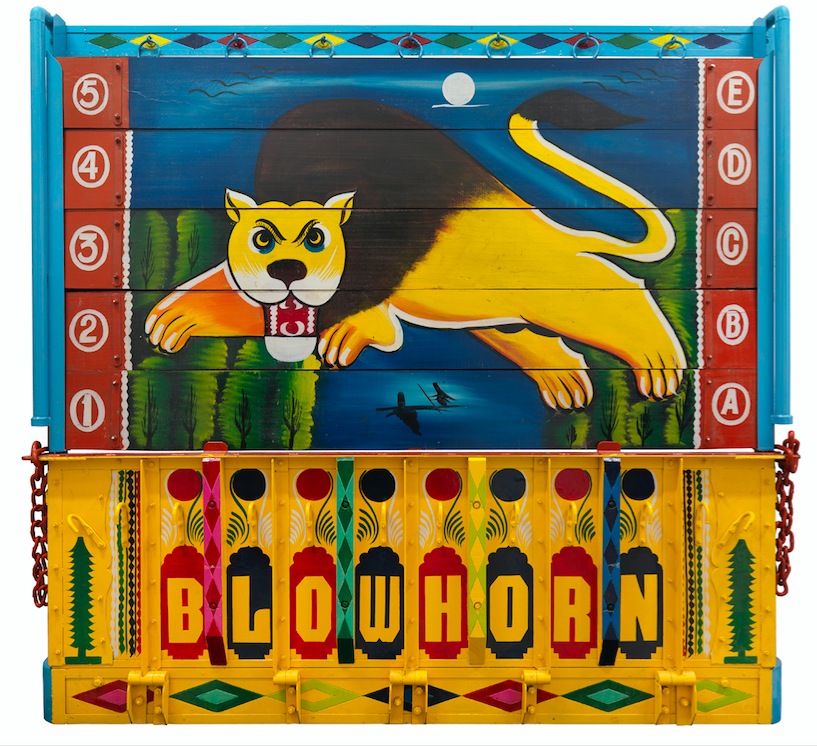
Pehchaan showcases three art traditions: Punjabi painted trucks, West Bengali wax cast brass sculptures and contemporary sculpture from Assam.

Collation of the work and interviews with the artists were filmed, before pieces of the documentary were added to the exhibition.

Allan explained: “The edited excerpts of the film are an important part of the exhibition experience.”

This experience spans two continents and five years of work, shared between Indian curators, Glasgow Museums and community artists.

Allan added: “Pehchaan gives tribal, street and geographically isolated artists from three regions of Northern India a unique opportunity to showcase their skills to a larger audience.”

As well as introducing new art to Glasgow, Pehchaan attempts to introduce new visitors to Glasgow museums.

Allan said: “A key part of the project has been to use this collection to engage with communities who do not normally visit museums. We intended the RENEW collection to be a springboard for creativity, dialogue and imagination.

“Therefore, as part of the project we ran six months of community art workshops inspired by the new collection, culminating in a community event at Scotland Street Museum.”  

She concluded: “Community workshops are also part of Pehchaan in a specially designed workshop area within the exhibition space.”

Pehchaan image: Painted truck back with image of lion by Jarnail Singh, 2013.

Girls and their Mothers


Screen Shot 2016-05-31 at 07.27.49


Busting the myth ‘like mother like daughter’ is Scottish photographer Kim Simpson. Showcasing in East Kilbride Central Library – from May 28 to June 30 – Simpson’s exhibition, Mothers and their Daughters, celebrates individuality.

She said: “I have been inspired by the experiences of raising my daughter, Lamaya, who is of mixed race. She has been raised in the same Scottish town that I grew up in, and while our experiences are largely similar there has unfortunately also been some negativity due to the colour of her skin.”

Simpson explained that as Lamaya grew her peers became more conscious of image and how hers differed to their own.

Simpson added: “My daughter had a particularly difficult school year in Primary 7, when a class full of children who she had been with for the last six years seemed to view her differently all of a sudden.

“I found it extremely hard to get the school to take action on this and felt that my concerns were being brushed off.”

Being white from a largely Caucasian town, Simpson saw there was apathy for the challenges faced by mixed race families. Realising others were also experiencing these frustrations, Simpson used her art to connect individual’s narratives.

She said: “Spending time with girls and women of mixed race who had grown up experiencing what my daughter had, and flourishing in spite of it, was inspirational.”

Simpson photographed sixteen families all together, resulting in a total of 48 images.

She recalled: “There were many stories shared, both positive and negative. People who lived pockets of the same city – some only minutes apart – had huge differences in social interactions with their local areas.”

Recognising the differences in maternal relationships, as well as the common challenges, Simpson’s work struck a chord with many.

She said: “I am overwhelmed at the amount of support this project has received from its infancy to exhibition planning. I am pleased to have created something that has been so well received.”

As well as personal significance, the project has professional significance as Simpson’s first solo tour.

She said: “Co-ordinating a solo touring exhibition has been a huge learning curve and great experience. I am now able to respond to the feedback gained during my exhibitions; allowing me to think bigger by incorporating talks and community projects in to my work. I am also looking to expand my existing projects with a real national significance.”

This is no mean feat, considering Simpson juggles exhibitions with paid work and parenting. Despite this challenge, she explained motherhood was what led her back to her passion for art.

Simpson said: “While most kids want to grow up to be a vet or a police officer, I wanted to be a wildlife photographer and work with David Attenborough. I also used to love sketching and painting, but never saw art as a viable career option.

“However I came back to art as an adult, during some time out of work when my daughter was born.”

While on this break Simpson took up painting again, working on leather and 3D objects. She began painting more intricate designs on shoes, a skill which eventually saw her win Best Customizing Designer at the UK Urban Fashion Awards, in 2007.

Despite this passion for paint, Simpson yearned to focus on photography.

She recalled: “I began spending more and more time considering themed images for each of my shoe designs, until eventually I was painting to match photo-shoot ideas. It was at this point I listened to my inner child and pursued photography full time.”

Simpson went on to study photography at City of Glasgow College, staying for four years, and earning a First Class honours degree.

She said: “The final two years of study saw me hone an interest in to the Visual Norm.”

This theme continues to be seen in Simpson’s Mothers and their Daughters exhibition, as well as providing inspiration for her next project.

She concluded: “I will be continuing this theme through an exhibition of new work, at the Dysfunction Gallery, in September 2016. This work will then be included in Glasgow’s Black History Month exhibition, during October.”


Southside Fringe

SSF

Showing how Scots do Southern hospitality is Glasgow’s Southside Fringe. Running from May 13 – 29, the celebration includes in and outdoor events.

Co-founder Corinna Currie said: “We have an amazing selection covering live music, theatre, cabaret, comedy, spoken word, burlesque, literature, visual art, film and well being events.”

With such a mix of activities its no surprise last year’s festival welcomed over 9000 revellers.

Now in its third year the Southside Fringe has returned with exciting new features.

Currie explained: “This year we are delighted to introduce a dedicated heritage programme, welcoming on board Pollok House and House for an Art Lover. “ 

House for an Art Lover hosted the festival on May 14 with Art on the Park, the programme’s first alfresco event. Delivered in partnership with Art on Scotland, the event included an art fair, live entertainment and food stalls. 

Continuing festival firsts Southside Fringe 2016 launched its ‘legacy’ work, with the Clutha Trust, bringing activities to Castlemilk Youth Complex.

Catering to all ages the festival includes activities across 52 venues, including historical buildings, cafes, pubs and even a pool.

Currie said: “Govanhill Baths have a wonderful range of theatre events.”

She added: “Loks bar have a full programme of events from Ceilidhs, to David Bowie tribute nights. We’re also really excited to see how the open air space down at Pollokshield Playhouse will be used.”

As well as pop events, the festival will have international activities.

Currie said: “We have singers all the way from Kenya, Ogoya Nengo and the Dodo’s women’s Group, performing at the Glad Café; music from Brazil, in Nossa Bossa on May 19,, and a Traditional Eritrean Coffee ceremony, hosted by MILK on May 16.

Tastebud treats continue at the festival with a Gin and Food evening at the Salisbury and also the Spanish Tapas & Wine Tasting Evening at Bell & Felix.

The festival will conclude with a cabaret party at Loks, starring acts like Creative Martyrs, Kim Khaos and Tom Harlowe.

Currie anticipated: “With Music from the Glasgow Swing Society and the Acquiescent Orchestra there will be a party atmosphere and good measured rowdiness! “

Closing party tickets are £10 and available in Fringe HQ or online.

Currie concluded: The atmosphere at Southside Fringe is electric and full of love. We’re all in it for our love of the Southside. It’s great to feel the area buzzing during the fortnight.

 “You can grab a programme or go online and come along to Southside Fringe. You’ll only regret it if you hear how good things are after they’ve happened!”

Deoch an Dorus Festival

D&D2

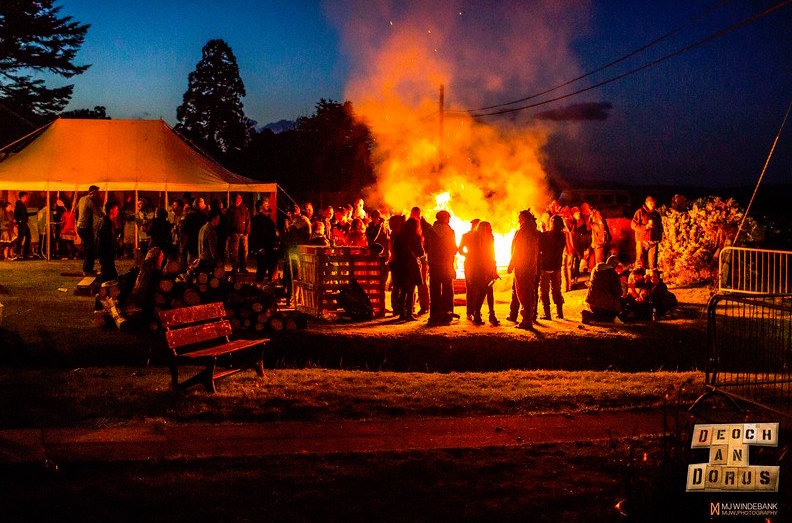
Shirking its knitwear image, the Isle of Arran is once again hosting the alternative music festival Deoch an Dorus. Running on April 30, the festival is in it’s second year and it’s back with a vengeance.

Festival organiser Mark McGhee said: “Last year Rory Gordon and I launched Deoch an Dorus with only seven weeks planning, and in this short time we got 400 people attending. It was hosted it in the town hall, with camping inside, and the feedback was incredible.”

“This year we wanted to expand, so we moved it to the North Sannox Glen and planned an amazing line up.”

Included in the programme are McGhee’s band: the Girobabies; Samba group Colonel Mustard and the Dijon 5; Ska legends Root System; and Reggae artists Samson Sounds.

These acts and many more will grace the main stage, bar stage and dance tent throughout the festival.

A ticket with camping costs £20 for adults, £10 for teens and under 12s go free. Families are very welcome at Deoch an Dorus, as McGhee explained.

He said: “Last year we got feedback from people saying the festival would be perfect for families, and lot of the Deoch an Dorus artists have kids they thought would enjoy it.”

“So this year we have brought in extra kids activities through the day, such as pony trekking and crafts.”

Other activities at Deoch an Dorus will include: music workshops, reiki, face paining, live art and construction of a mini Stonehenge.

To fuel this fun Deoch an Dorus will have food and drink stalls hosting the best Scottish produce.

McGhee said: “There will be local made burgers by local Robin Gray, as well as veggie options, and plenty of craft beer.”

He added: “Last year everyone from the local community got behind the festival and it had such a good natured vibe.”

This camaraderie, McGhee said, stemmed from the grassroots music.

He explained: “All the bands are really grounded and up for a good time; there are no egos and it attracts a great crowd of people.”

Add to this crowd Arran’s atmospheric setting, and that is what makes Deoch an Dorus unique. This year’s campsite will offer a backdrop of rolling hills and revellers won’t be far from the sea.

McGhee recalled: “Something about getting on the ferry really unifies people and gets them in the holiday spirit.

“It’s only a half- hour drive and 45 minute ferry from Glasgow, but Deoch an Dorus feels a world away.”

He concluded: “Anyone who has been to Arran knows it’s beautiful and anyone who’s seen our acts knows they put on a great gig.”


The Homeless World Cup

Screen Shot 2016-04-03 at 12.10.22 

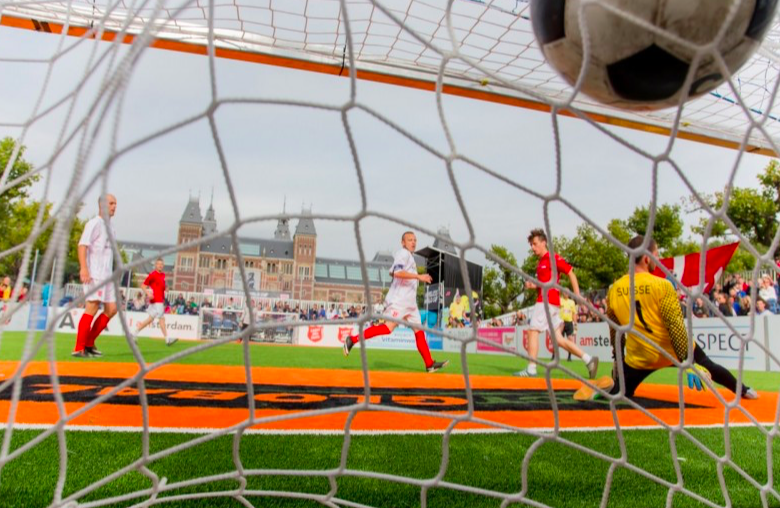
Homelessness and football are often seen in Glasgow but not usually associated, that is until now, as Glasgow prepares to host the men and women’s Homeless World Cup (HWC) 2016.

Running from July 10-16, the tournament will see George Square converted into three pitches with seating for 100,000 spectators.

These seats are bound to fill fast, as the Cup is un-ticketed and free to attend.

HWC spokesperson said: “It couldn’t be easier; fans just turn up, watch some amazing football and hear some inspiring stories.”

Personal development is centre to the HWC, as players from all 64 teams participate in the its National Partner Programme. The Partner Programme involves 73 organisations from across the globe, which help their national players gain necessities such as education, employment, rehab and supported housing.

HWC Foundation President Mel Young said: “We will have 512 players with us, and every single one of them is at some stage of their journey towards a more stable future. Their personal stories are remarkable, often very moving, but they reflect a real hope for social justice.”

Social justice can be seen in the legacy of the HWC, as its spokesperson explained: Statistics show 80% of Homeless World Cup players re-build their lives.”

He added: “We want that pattern, if not more, to be the case for 2016. We hope Glasgow continues to support its National Partner, Street Soccer Scotland, which helps thousands of men and women out of homelessness and social exclusion.”

Testament to this good work is 30-year-old Scot, Jamie Maclean. Maclean started working with the programme in 2009, but struggled to overcome drug addiction, so missed out on that year’s HWC. However after years of support he got clean, secured a job with the Scottish Association for Mental Health, and joined the HWC 2015 in Amsterdam.

Maclean said: “To be able to come back and have my family watching me on the TV is brilliant. It makes me feel proud.”

He added: “I came through the other side, overcoming addiction and now I’m helping people with similar problems.”

To help people like Jamie Maclean HWC fans can sponsor the tournament, buy a Supporter package or volunteer at the event.

Mel Young concluded: “We need to galvanize our global fan base if we’re really going to make a difference. With 100 million people homeless globally, we’re still just scratching the surface.”

Festive Foraging

Foraging

Sprucing up spring – with an egg hunt alternative – is the Queen’s Park Herb Foraging Walk. Led by Green Health Glasgow on April 3, the walk will start at 11am at the Glad Café.

Green Health Medical Herbalist, Catriona Gibson said: “The walk will last up 2 hours, depending on the group and a little bit on the weather. The end point will be the Queen’s Park Glasshouses, which have toilets, a café and play area.”

Gibson explained that the walk is open to all ages, offering a beginners guide to foraging.

She continued: “The focus of the free walk is plant identification and confidence building.

“I will advise people how to harvest sustainably, respecting the plants and other organisms that rely on them. We will discuss when and how to harvest and any issues around mis-identification of species.”

Identifying plants comes as second nature to Gibson, who regularly hosts workshops and herbal health consultations. However, she encouraged walkers to bring along any foraging books and tips they wished to share.

She said: “The walks are really participative, with the chance to learn common species and try some recipes.”

Gibson rhymed off some of her favourite wild herb ingredients.

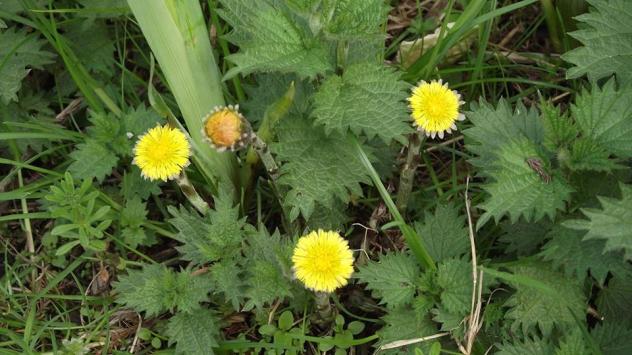
She said: “Wild Alliums, Ramsons and Few-Flowered Leek can substitute onion or garlic; and plants such as Lady’s Smock or Bittercress can be make Wild Green Pesto.”

Gibson explained food foraging is becoming a growing movement.

She added: “There’s been a real increase in food bloggers and artisan producers looking for innovative ingredients. I’ve worked with micro-brewers to make foraged beer, and with artists to examine how people and place influence and food.”

This conscientious approach reduces food miles and encourages awareness of seasonal produce.

Gibson said: Foraging connects people to their environment and fosters an appreciation of the natural world.”

The natural world, she said, was good for the body as well as the soul.

Gibson explained: “Many wild plants can be used medicinally for common ailments such as coughs, colds and headaches.”

There are also sociable benefits of foraging walks, as Gibson concluded: “The walks are a lot of fun. There’s always a diverse bunch of people looking to live more sustainably; from young families wanting their children to be more involved in the outdoors; to bloggers who are interested in food foraging or gardeners looking to enhance their skills.”

Updates on the April walk and similar events throughout the year can be found on Green Health’s Facebook page.

GFF 2016

GROUP SHOT_CREDIT NEIL THOMAS DOUGLAS

As the curtain rises on Glasgow’s 2016 Film Festival the good times begin to roll.

Running from 17- 28 February, GFF will feature 308 events and 174 films.

Opening the festival is the UK premiere of comedy Hail, Caesar! by Ethan & Joel Coen; and the debuts continue as Richard Gere hits Glasgow to showcase his slice of life film Time Out of Mind. Also joining GFF VIPs is Game of Throne actress Natalie Dormer, who will grace the red carpet for her UK premiere in the horror The Forest.

Another premier will close the festival, as Charlie Kaufman and Duke Johnson’s love story Anomalisa reels for its first UK audience.

Film critic Alan Laidlaw said: “This year is set to be another great one for the GFF, with some top films having their UK and European premieres; this can only help to grow the reputation of the festival.”

But it’s not just premiers stealing the limelight at GFF 2016; the festival also celebrates Hollywood’s golden age with free morning matinees; before staging modern classics in pop up locations.

Both Raiders of the Lost Ark and Silence of the Lambs will be screened at Kelvingrove Art Gallery; then Baz Luhrmann’s Romeo + Juliet will be served with ‘poison vial’ cocktails in Trades Hall. As well as this, news satire Network will reel in BBC Scotland (Glasgow); Thelma & Louise will hoe down at the Grand Ole Opry; and Con Air will be shown in a mystery located ‘prison bus’.

Glasgow Film Festival Co-Director Allison Gardner said: “I’m really delighted with this year’s programme. The festival keeps moving forward whilst also maintaining its roots as audience-focused; everyone can come together to share a love of cinema.”

Foreign film lovers will also rejoice at the GFF ‘Country Focus’ strand; which this year showcases Argentinean drama, travel and crime movies.

Allan Hunter, Glasgow Film Festival Co-Director, said: “I’m excited to introduce audiences to real gems like Pablo Trapero’s gripping crime drama The Clan in our Argentine focus.”

After crossing continents, the GFF crosses space with D A Pennebaker’s documentary Ziggy Stardust and the Spiders From Mars, paying homage to the late David Bowie. The showing will be followed by documentary short Let’s Dance: Bowie Down Under.

With such a range of flicks GFF attendees will have a hard time voting for this year’s Audience Award. The Scottish Power sponsored comp will see ten of the festival’s new director films fight for first place.

Film critic Alan Laidlaw lamented the choice.

He said: Having attended the festival as a fan and critic I’ve been able to see both sides; and every year GFF surpasses expectations in the quality of its cinema and unique events.”

“I’m particularly looking forward to seeing Louder Than Bombs, the great Norwegian director Joachim Trier’s first feature film in English.”

He concluded: “The GFF is always one of the highlights of Glasgow’s cultural calendar.”

Junk Kouture

junk kouture

Proving one man’s junk is another man’s treasure is recycled fashion show Junk Kouture. Coming to Glasgow’s Royal Concert Hall on February 5 (7pm) the event will see Scottish school kids take the runway.

Competing in small teams the high school students will present couture outfits they have made from purely recycled material. As if this wasn’t enough, the teams must also create a performance, as well as hair and makeup to showcase their designs.

Junk Kouture founder Elizabeth Curran said: “In the past we have had students make outfits from paper, cans and crisp packets, but we have also had some really unusual material such as fruit skins.

 “Last year we had a dress made from recycled balloons and it was amazing; so couture!”

While the event may sound feminine, Curran clarifies that the comp welcomes both genders and all outfit styles.

She said: “In the past we have had male models, but it tends to be that there are more boys working behind the scenes on the production.”

Tasked with judging this year’s designs are Head of Art and Design at Glasgow School of Art Jimmy Stephen-Cran, who will be examining the technical skills; previous Junk Kourture winner Michael Galbraith, who will focus on the teamwork; blogger Katie O’Brien, who will concentrate on the fashion styles; and XFactor famed Louis Walsh, who will be looking for the best performance.

Curran explained: “Each team’s model gets 90 seconds on stage and will be judged on performance, quality of design, use of recycled materials and glamour.”

While the judges deliberate over these entrants the audience will be treated to a performance from Louis Walsh’s new band Home Town.

The celebrity pull continues in Junk Kouture’s prizes; as winners of the glamour category will be receive tickets to the Royal film premier, getting to relive their glory London’s red carpet.

Other prizes include £1000 for the winning school, £500 and mini iPads for the winning team, as well as Ticketmaster vouchers for the best performance winners.

Prizes are however not the only incentive for students to enter Junk Kouture, the competition builds into school curriculums.

Curran said: “Students who enter Junk Kouture are learning about recycling, while being creative and enterprising at the same time.

 “The competition is open to 11 – 18 year olds and they can use it as part of their course work or it can contribute to after-school programmes, such as the Duke of Edinburgh.”

As well as building skills Junk Kouture spreads the message of sustainable fashion.

Curran explained: “The idea of Junk Kouture came from an Irish artist I had seen making statues from junk. At the same time I had been involved in local charity fashion shows and I thought the two concepts would go well together.”

 She added: “Sustainable fashion is so important; there are so many people being exploited in foreign garment factories and I am totally against it.”

 “People don’t have to buy cheap clothes to dress on a budget; they can upcycle old items and think outside the box.”

This sustainable message is spreading fast; as Junk Kouture grows from its humble roots.

Its founder said: “I came up with the idea of Junk Kouture six years ago, when I had a dance studio and wanted to do something else. I started the competition in Ulster Ireland and sent its programme out to the schools.

 “The first year was very simple; it ran from a hotel and had no sponsorship. Then, through dance classes, I met my business partner Troy Armour, and we worked together to take Junk Kourture multinational.

 “Along the way we met Moria Gordy – from Riverdance – and she mentored us; she was the one who convinced us to take it out of hotels an into theatres.

 “We then got different sponsors, including Bank of Ireland, and rolled the show out to Scotland.”

 She added: “Last year was the first time we ran Junk Kouture in Scotland; we kept it small and had about 25 entries, but this year we have 150 entries and have moved it to the Royal Concert Hall.

 “Eventually we hope to run shows throughout the UK.”

With annual competitions, students who wish to apply to next year’s Junk Kouture can visit the website for details.

Everyone else can sit back and enjoy the show.

Tickets are £10 and can be bought from Glasgow’s Royal Concert Hall.

Curran concluded: “You have to see the show to believe it. The sight of the models outfits and accessories made from entirely from junk is outstanding.”

EdinBal

Screen Shot 2016-01-24 at 14.20.03

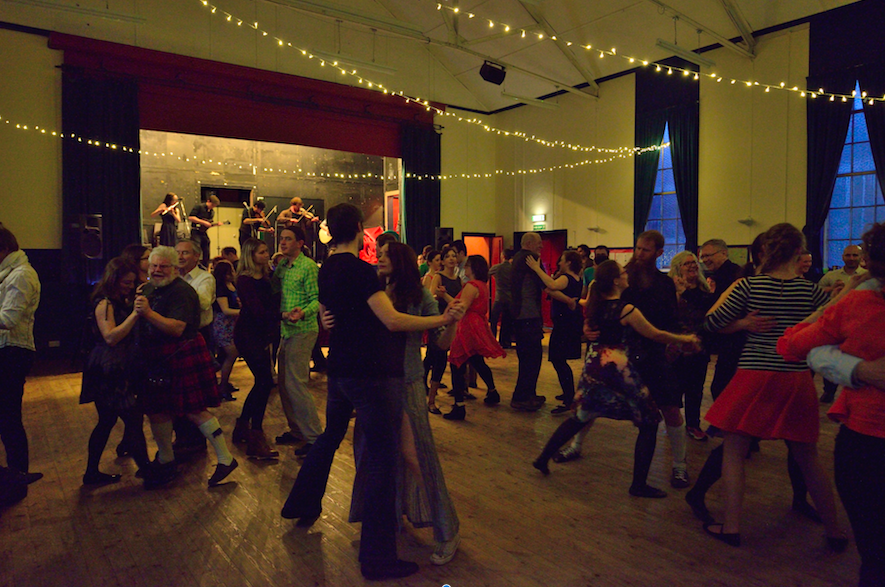
Proving ceilidhs aren’t just for weddings is the Scottish society EdinBal. From its base in Edinburgh the collective organises folk dancing classes and events.

EdinBal Chairman and Co-founder Jean-Christophe Denis said: “It all started in September 2013 with a group of friends who really enjoyed folk dancing. After attending festival and dance nights in Europe, we decided to run events in Edinburgh. So we organised monthly dance workshops.”

While hosting the workshops Denis was also involved in organising the Inter-Varsity Folk Dance Festival (lVFDF) a student-led event with alternating locations.

Combining the two projects, Denis and the team planned the 2014 IVFDF in Edinburgh.

He said: “It was a lot of work, but we loved the experience; 900 people attended the weekend and had a lot of fun.”

The festival’s success spurred the team to organise other events. So, in April 2014, they hosted the first EdinBal dance.

Denis recalled: “The dance featured one French and two Scottish bands, which was a lot of pressure but totally worth it.”

Getting great feedback from the event, Denis and team decided to formalise EdinBal by signing its societal constitution in November 2014.

The Chairman said: “We now have 40 members (signed up till the end of May) and four big nights planned.”

To support these nights EdinBal continues to build partnerships with foreign and local folk bands.

Denis explained: “EdinBal has had to develop music sessions to grow local artists’ European repertoire.”

While these sessions prepare the bands, EdinBal tutors prepare the dancers at each event.

Denis said: “We spend the first 30 minutes at our ceilidhs explaining everything beginners need to know to enjoy the night. There are always lots of friendly experienced dancers who are willing to help beginners.”

While the EdinBal ceilidhs can stand alone many dancers use them to showcase the steps they learn in the workshops.

Denis said: “We host workshops in Edinburgh and our sister society, GlasBal, holds classes in Glasgow.”

Workshops are £5 full price, £3 concession and Society members get a £1 discount.

The Chairman continued: “Our classes are pretty well balanced. Usually we have more ladies than guys, but a few times the opposite has been true.”

Denis said that most EdinBal dancers are in their 20s – 30s, but he explained the workshops are suitable for all ages.

He joked: “Some of the dances can be quite energetic, but there is always a way to save your energy.

“In Brittany it’s very common to see many 80 year olds dancing until 3am!”

Denis explained that each class starts by demonstrating steps before practicing them to live music.

He added: “The last part of the class about learning dance techniques, like improvising, non-verbal communication, space awareness and more technical dances.”

Denis admitted: “Beginners can struggle a little bit at the start. But folk dances are designed for everybody, so the basics are very accessible.

“By the end of  each class I see beginners happily dancing and enjoying themselves!”

Fun, Denis explained, is the whole point of folk dancing.

He said: “There is no competition, we are not dancing to put on a show, we are just dancing for ourselves.”

Denis added: “The folk music creates a special atmosphere, with unusual instruments such as bagpipes or hurdy-gurdies joining the more common accordions and fiddles.”

With such a unique sound it is no surprise the European folk scene is growing.

Denis said: “Ceilidhs have always been popular in Scotland. In France folk dancing was seen as old-fashioned, but there has been a recent revival including young people and modern music influences.

“In Belgium folk dancing has moved from being non-existent in the 90s to almost mainstream now, and that’s really impressive.”

Encouraging people to join the scene, Denis said: “Don’t be shy, don’t hesitate, join EdinBal!

“We are a bunch of friendly people who create an engaging atmosphere at our events. Dances are easy and in no time you’ll have lots of fun!”